
Buying a new car is among the biggest investments that the majority of people make in their lives. As soon as you pull out of the lot, the “honeymoon phase” starts–the paint is shiny, the reflection is mirror-clear and you vow to yourself that you will maintain it that way forever. But then reality hits. Acid rain, bird droppings, UV rays and the unavoidable road grime start their gradual attack on the clear coat of your car.
At this stage, the burning question that vehicle owners will pose is: is ceramic coating worth it? Often touted as a “magical” liquid glass that protects your car forever, the reality is more nuanced. You have likely heard the term if you have ever been on an automotive forum or in a local detail shop wondering, “is a ceramic coating worth it for my specific needs?” But is it really worth four figures?
In this 2026 guide, we strip away the marketing fluff to look at the hard data, the maintenance reality, and the true ROI of ceramic protection to help you make an informed decision.
Beyond the Shine: What Ceramic Coating Actually Does
In order to understand whether a ceramic coating is worth the money we should first of all define what it is- and more to the point what it is not. A professional grade ceramic coating is, technically, a liquid polymer typically composed of Silicon Dioxide or Silicon Carbide. When applied on the surface of a car, it chemically bonds with the factory paint to create a semi-permanent, sacrificial protective coating that protects against numerous environmental pollutants.
The main superpower of this technology is its hydrophobic characteristics. In simple terms, it makes your car’s surface extremely “water-fearing.” This doesn’t just produce cool water beads on a rainy day; it creates a surface tension so high that mud, liquid grime, and even sticky tree sap struggle to find a foothold. This chemical bond is significantly stronger than traditional waxes, creating a durable surface that doesn’t wash away after a few rains.
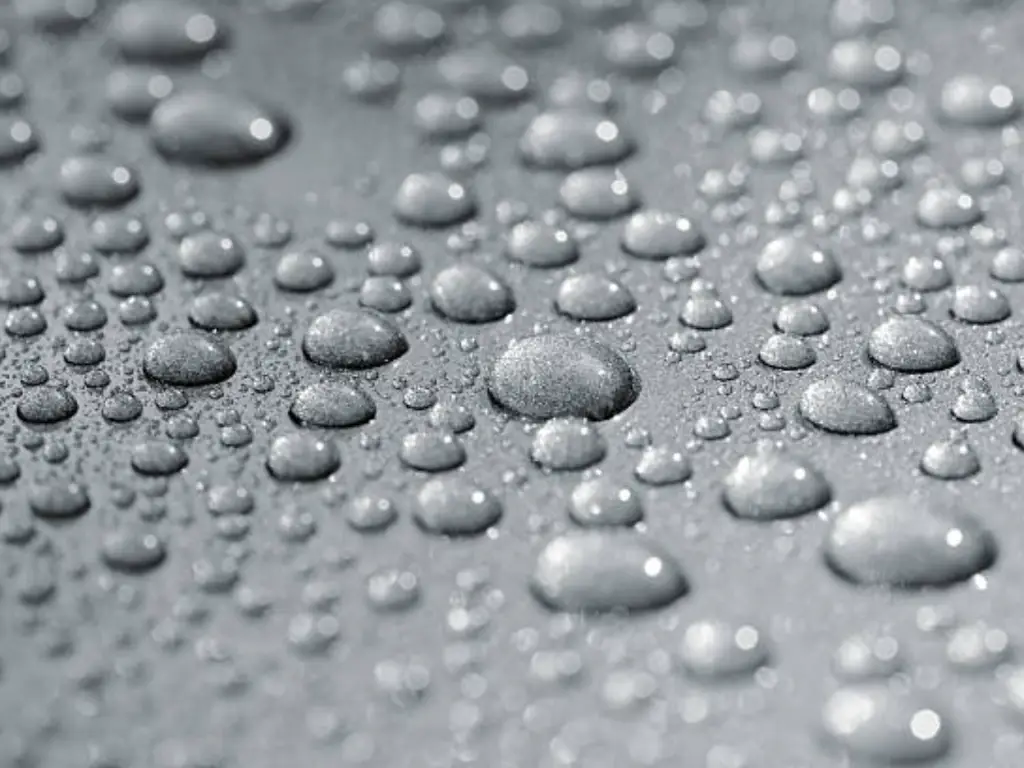
The Data on Cleaning:
Real-world testing in 2026 shows that a coated vehicle requires significantly less time and effort to wash—roughly a 50% reduction in labor. Due to the fact that dirt and road film cannot enter the pores of the paint on the car, a quick rinse or even a simple two-bucket method can frequently clean what would otherwise require a vigorous scrubbing on a waxed car.
The “Bulletproof” Myth:
Here is the candid truth that many detailers won’t tell you: Ceramic coating is not armor. It will not prevent a rock chip that is flying off a semi-truck at 70 mph. It is not a bulletproof vest for your car. When a shopping cart hits your door, the coating will not stop it denting and leaving minor scratches. It is a chemical barrier, not a physical one. This professional honesty should be determined; when you are buying ceramic coating to prevent rock chips, you are buying the wrong product. You are looking for a durable shield against UV rays, bird droppings, and light marring, not a force field against physical impact.
Upfront Investment vs. Long-Term Paint Protection Savings
The sticker shock of a professional ceramic coating—often ranging from $1,500 to $3,000 depending on the level of paint correction required—is the biggest hurdle for most owners. But in order to determine its value, we need to consider the Cost Per Day in a five year ownership cycle.
Old-fashioned carnauba wax or synthetic sealants are “cheap” in the short term, but they are short-lived. A good wax will last between 8 and 12 weeks, requiring frequent reapplication. A synthetic sealant could provide you with 6 months of little protection. In contrast, a high-quality ceramic coating lasts between 3 to 5 years, providing a much higher ROI for those keeping their vehicles long-term.
5-Year Cost & Labor Comparison Table
| Feature | Traditional Wax / Sealant | Professional Ceramic Coating |
| Initial Cost | $50 – $150 (DIY or Basic Detail) | $1,500 – $3,000 (Incl. Correction) |
| Durability | 3 – 6 Months | 3 – 5 Years |
| Application Frequency | 15 – 20 times over 5 years | Once |
| Total 5-Year Cost | ~$1,800 – $2,500 (Labor + Materials) | $1,500 – $3,000 |
| Wash Time Saved | Low | High (approx. 150+ hours saved) |
| Paint Degradation | Higher (due to frequent friction) | Minimal (sacrificial layer) |
| Resale Value Impact | Minimal | High (documented protection) |
When you add in the cost of your time and the cost of materials and labor that would be used in traditional methods, ceramic coating can even pay for itself by year three. Moreover, since the coating prevents oxidation and chemical etching of the car’s finish, the resale value of a car with ceramic coating in 2026 is always higher. Customers will pay more to have a car that appears to be in a flawless finish since the clear coat has not been diluted over the years through aggressive polishing or environmental damage.
Why Car Color Determines Your Coating ROI
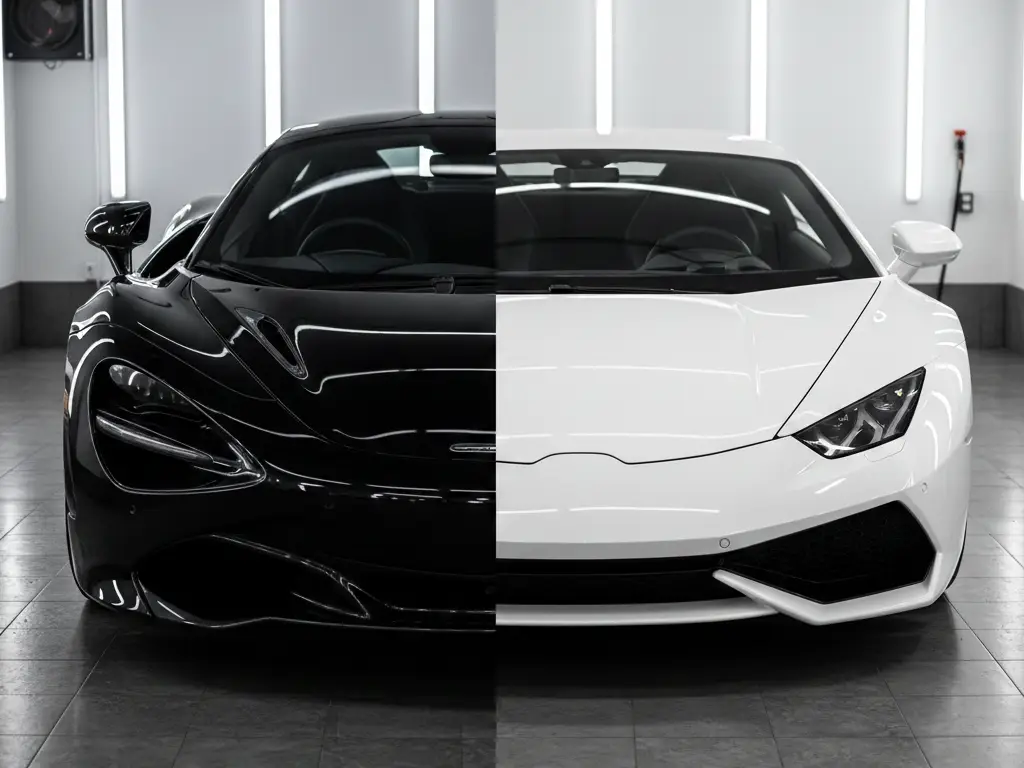
The “worth it” factor varies greatly depending on the pigment of your car and your desire for a glossy finish.
The Dark Car Dilemma (Black, Deep Blue, Charcoal):
Ceramic coating is nearly a must for the owners of dark-colored vehicles. Dark paint brings out all the imperfections; swirl marks, water spots, and light scratches can be seen at least ten feet away. A ceramic product provides a depth of a “wet look” that cannot be reproduced by wax. It fills in microscopic pores to create a perfectly flat surface, which results in a mirror-like reflection. However, the stakes are higher; because the coating is so transparent, the condition of the paint underneath must be perfect. When you coat a black car without correcting the paint, you are just sealing the flaws over the next five years.
The Light Car Advantage (White, Silver, Light Grey):
The increase in “gloss” is not as dramatic to the naked eye on a white or silver car. You won’t get that deep, “puddle of ink” look. However, the ROI here is purely functional. White cars suffer from “industrial fallout”—those tiny orange rust dots (iron particles) that embed in the paint. These particles are much harder to bond when the surface is protected. In the case of a white car, the coating eliminates that yellowing/dingy appearance that develops with time as the clear coat oxidizes. You are not buying the shine; you are buying the “forever new” cleanliness that survives harsh elements.
When is Ceramic Coating a Total Waste of Money?
Being a flexible and honest advisor, I must inform you that in the case of certain individuals, ceramic coating is a horrible investment. If you fall into one of the following categories, leave your money in your pocket.
- The “Brush Wash” Enthusiast: When you plan to drive your car to the local $10 automatic car wash with the huge spinning blue brushes, do not have a ceramic coating. Those brushes are nothing but sandpaper. They will destroy the coating’s performance and denude it of its hydrophobic qualities in a few months. Ceramic coating cannot survive without “touchless” or “hand-washing.”
- The Short-Term Leaser: When you are leasing a car and you are not planning to purchase it at the end of 24 or 36 months, a professional coating of $2,000 is essentially a gift to the next owner. You will not recover that investment in such a short span.
- The “Daily Drivers” in High-Impact Zones: If you drive 100 miles a day on gravel roads or behind construction trucks, ceramic alone is insufficient. You will still get rock chips, and the coating will look like it has “pitted” over time due to constant road debris impact.
- The “Set It and Forget It” Owner: You are wrong when you believe that ceramic coating will make you never wash your car again. Even a car that is never washed will form a layer of “road mask” that will kill the water-beading effect.
- Neglected Paint without Correction: If you apply a coating over damaged, oxidized, or scratched paint without a professional “Paint Correction” step, you are wasting the product. The coating will not bond properly, and it will look dull.
The Hidden Costs of Maintaining Your Shield
Marketing brochures often imply that ceramic coating is a “one-and-done” solution. As a matter of fact, to keep that 9H hardness and hydrophobic performance, there is a certain, though less demanding, proper maintenance procedure. This is the invisible cost of ownership.
You require a special “Maintenance Kit” to ensure that the coating is doing its best in 5 years:
- pH Neutral Soap: You will no longer need to use inexpensive dish soap or harsh detergents that may damage the chemical structure of the coating prematurely.
- Decontamination Sprays: Every 6–12 months, you should use an “Iron Remover” to strip away metallic particles that the coating has trapped on the surface.
- Maintenance Boosters (Topcoats): Most professional coatings require a “Reload” or “Booster” spray every 6 months. This serves as a sacrificial coating over the sacrificial coating, and restores the slickness and water beading.
- Dedicated Microfibers: You’ll need high-GSM (Grams per Square Meter) towels to ensure you aren’t inducing swirls during the drying process.
The coating itself isn’t necessarily the expensive part over time—it’s the discipline. You are selling the work of waxing to the washing of decency.
Ceramic vs. Graphene vs. PPF: Choosing the Best Shield
The market has divided into three different technologies by the year 2026. The selection of the appropriate one is dependent on your surroundings and your “pain points.”
Ceramic vs. Graphene: Graphene coatings are the “new kids” on the block. These coatings purport to be less susceptible to water spotting by incorporating graphene oxide to the ceramic base. Ceramic glazes are also prone to entrap hard water minerals, which leave spots that are hard to remove. The increased heat dissipation of graphene lowers the surface temperature of the paint, i.e. the water does not evaporate so intensively, which leaves fewer minerals.
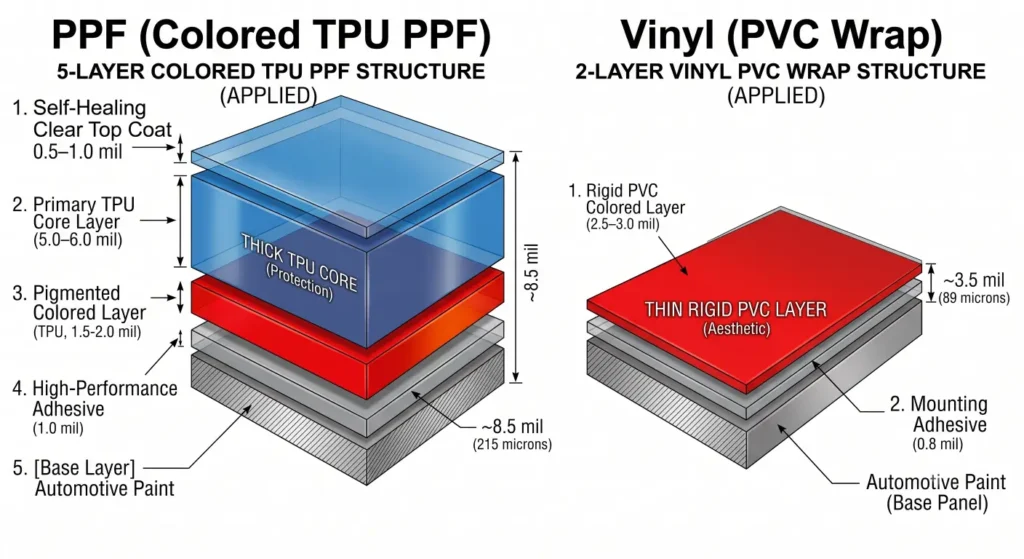
Ceramic vs. PPF (Paint Protection Film): This is the ultimate debate. PPF is a heavy polyurethane coating (typically 8-10 mils) which offers real physical protection against rocks. Ceramic is a fine chemical coating. The Hybrid Strategy is the 2026 Golden Standard of enthusiasts:
- The Front-EndPPF: Cover the hood, bumper, fenders, and mirrors (the “strike zones”) with film to stop rock chips.
- The Full Body Ceramic: Coat the rest of the car (and on top of the PPF) to ensure uniform gloss and easy cleaning.
The “Golden Standard” has always been the Hybrid Strategy: applying PPF to the front and ceramic to the rest. But let’s be honest—paying for two separate high-end services is a massive financial hit.
Why FlexiPPF Offers the Best of Both Worlds
Although the hybrid approach of using ceramic over film is efficient, it is costly and time consuming. This is where the industry has been revolutionized by FlexiPPF.
FlexiPPF products are designed with Pre-coated Ceramic Technology instead of having to install a PPF and then pay again to have a ceramic coating applied over it. Our TPU (Thermoplastic Polyurethane) films come out of the factory with a nano-ceramic layer integrated directly into the topcoat.
The FlexiPPF Advantage:
- Seamless Integration: Since the ceramic layer is bonded at the molecular level when the film is being manufactured, it will never delaminate or “peel” off the PPF, as is common with aftermarket coating applied over inexpensive films.
- The 110° Hydrophobic Angle: FlexiPPF achieves a water contact angle of over 110°, matching the performance of the world’s best standalone ceramic coatings while providing the 8-mil physical thickness needed to stop highway rock chips.
- Cost Efficiency: You save significantly on labor. There is no need for a detailer to spend 5 hours coating your car after the film is applied. You get the physical “armor” and the “liquid gloss” in a single application.
- 10-Year Peace of Mind: Backed by German Brückner production lines and USA-sourced Ashland adhesives, FlexiPPF offers a 10-year warranty that covers both the film’s integrity and its hydrophobic performance.
For the owner who wants “everything”—protection from rocks, protection from chemicals, and a car that stays clean with a simple rinse—FlexiPPF represents the pinnacle of 2026 paint protection technology.
Professional Application vs. DIY: A Budget Reality Check
When you have made up your mind that ceramic is worth it, the next question is: Who does the work?
The “Paint Correction” Reality:
When you pay a professional $2000, you are not paying $2000 on a 50ml bottle of liquid. You are paying the 15 to 20 hours of work to polish the paint to perfection. Ceramic coating is like a “magnifying glass”—it makes the paint look deeper, but it also makes every scratch underneath more permanent. Professional installers use multi-stage machine polishing to remove swirls before the coating “locks” the finish in. If you skip this, the results will be mediocre.
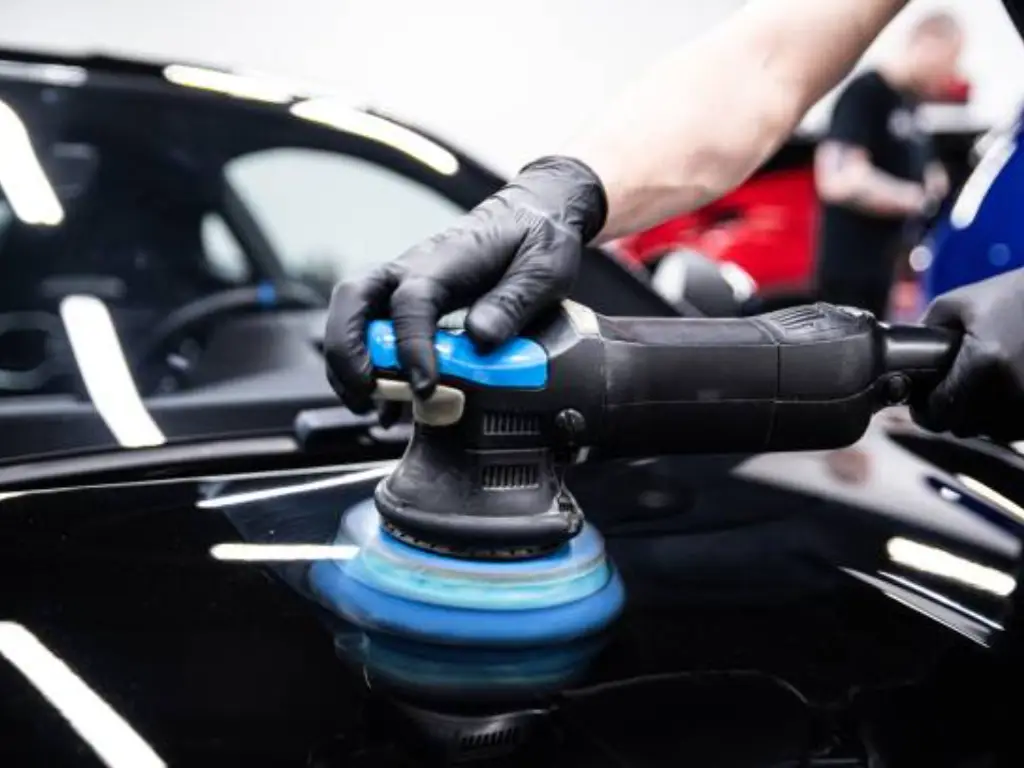
The 2026 DIY Landscape:
Technology has made DIY coatings much more accessible. Modern consumer-grade kits are more “forgiving,” with longer “flash times” (the time you have to wipe it off before it hardens).
- Choose DIY if: Your car is brand new (minimal scratches), you have a garage, and you are a “weekend warrior” who enjoys the process. You can get 70% of the professional results for 10% of the cost.
- Choose Professional if: Your car has “spider web” scratches, you desire a 5+ year warranty and you desire the security of knowing that you are using professional grade Silicon Dioxide that is too volatile to be used by consumers.
The 5-Year Verdict: Is It Finally Worth It?
After analyzing the costs, the maintenance, and the technological alternatives, the answer to “Is it worth it?” is a resounding yes, but only under the right conditions.
To help you decide, follow this 2026 Decision Tree:
- Do you plan to keep the car for more than 3 years?
- No: Stick to a high-quality sealant.
- Yes: Proceed to step 2.
- Are you willing to hand-wash or use touchless car washes?
- No: Don’t waste your money.
- Yes: Proceed to step 3.
- Is your primary concern rock chips or chemical stains/cleaning?
- Rock Chips: Look into FlexiPPF for physical protection.
- Stains/Cleaning: Ceramic coating is your best friend.
The Final Conclusion:
The ceramic coating is an investment worth making when you appreciate the appearance of the vehicle and the long-term maintenance of the asset. It is the sole solution to make sure that your car will be as good on day 1,000 as it was on day 1. It saves time and increases resale value by saving 50% of the time spent on maintenance and keeping the clear coat out of the elements.
If you want the ultimate “no-compromise” solution, don’t just coat your paint—film it with a ceramic-integrated product like FlexiPPF. In the world of 2026 automotive care, “good enough” is no longer the standard; “total protection” is.
 English
  Spanish
  Dutch
Dutch  Japanese
  Russian
  Arabic