
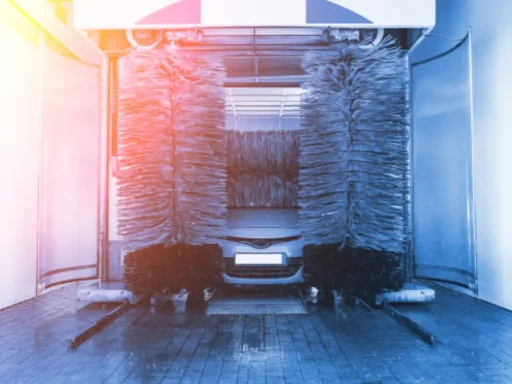
To the majority of car owners, the ritual of the weekend is visiting the local car wash or a special tunnel wash at a gas station. It is quick, it is inexpensive and it is good to see the foam run down the windshield. But when you have ever examined your paint in the glare of a streetlamp and have seen a kind of “spider-web” of scratches on it, you have probably wondered: Are automatic car washes bad for your car?
The convenience-led car wash industry is usually in conflict with the automotive detailing industry. To find the truth, we need to move beyond anecdotes and look at the physics of paint, the chemistry of detergents, and the reality of vehicle maintenance.
The Short Answer: Convenience vs. Long-Term Paint Health
If you are looking for a simple “Yes” or “No,” the answer is nuanced: Automatic car washes are a trade-off. To the crowd that considers their car as a means to an end, the “zero-second” crowd, automatic washes are a blessing. They avoid the build-up of corrosive road salt and mud which may cause structural rust.
But to the people who are concerned about the health of paint, gloss and resale value, the question remains: are automatic car washes bad for your paint? In the context of detailing, “bad” refers to the progressive thinning and marring of the clear coat—the transparent uppermost layer of your car’s paint. Any passage through a friction based automatic wash causes microscopic abrasions. While one wash won’t ruin a car, three years of weekly tunnel washes will leave the paint looking dull, greyed, and aged.
Finally, when you are going to sell your car in 2-3 years and you are not so concerned about a boring finish, the convenience is worth it. The traditional automatic wash is the main enemy of your paint in case you intend to keep the car or make it look showroom new.
Physical Risks: From Paint Abrasions to Structural Component Damage
To understand the physical damage, we must look at the Mohs Scale of Mineral Hardness. Automotive clear coat generally sits at a hardness of 2 to 3. In contrast, common road silica (sand and dirt) has a hardness of 7.
The “Sandpaper Effect”
Modern automatic washes often use “soft-cloth” or “microfiber” brushes, which are marketed as safe. But it is not the cloth that is the problem, it is what the cloth is holding. These brushes are giant sponges of the grit of all the vehicles that preceded you. When a dirty off-road vehicle passes through the tunnel at 10:00 AM, and you pass at 10:15 AM, then those brushes are now contaminated with microscopic rocks.
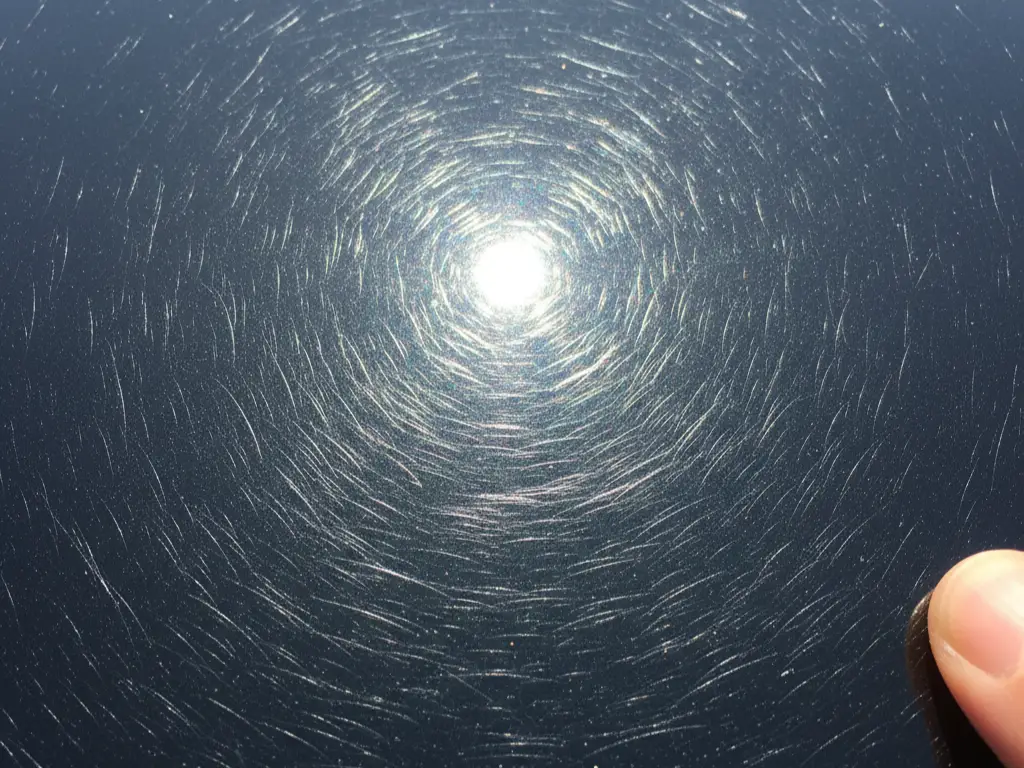
As the brushes spin at high RPMs against your paint, they create the Sandpaper Effect. The grit is caught between the spinning cloth and your clear coat, and is virtually sanding your car at 60 miles per hour. This produces deep “RIDS” (Random Isolated Deep Scratches) which in most cases need costly professional paint correction to fix.
Structural Hazards
In addition to the paint, automatic washes endanger the physical integrity of the vehicle parts:
- Antennas and Wipers: High-pressure blowers and heavy spinning brushes are notorious for snapping off rear wipers or bending shark-fin antennas.
- Mirrors and Trim: The sheer torque of the brushes can loosen plastic trim or force side mirrors to fold backward violently, potentially damaging the internal motor.
- Sensors and Cameras: Modern cars are covered in ADAS (Advanced Driver Assistance Systems) sensors. These sensors may be knocked out of position by high-pressure water jets in “touchless” bays or water may be forced through the seals of backup cameras, causing electrical fogging.
The Hidden Danger of High-pH Chemicals in Touchless Washes
Most of the fans choose the “Touchless” washes believing that they have avoided the danger since nothing physical touches the car. However, physics dictates that if you aren’t using friction to remove dirt, you must use aggressive chemistry.
The pH War
To melt away “traffic film” (a stubborn layer of oil, soot, and dust), touchless washes utilize Traffic Film Removers (TFR). These are often highly alkaline (High pH) or highly acidic (Low pH) chemicals.
- Strip Wax & Sealants: A single pass through a high-pH touchless wash can completely strip away the carnauba wax or paint sealant you spent hours applying. This leaves your paint “naked” and vulnerable to UV rays and bird droppings.
- Trim Fading: Have you noticed the black plastic trim around your windows turning a chalky grey or milky white? It is usually a direct consequence of caustic detergents burn. These chemicals drain the plasticizers of the rubber and plastic causing early aging and cracking.
Microscope Analysis: Hand Wash vs. Tunnel Wash Swirl Marks
Assuming that you were to look at your paint under a 200x microscope after a year of automatic washes, the surface would be like a skating rink following a professional hockey match.
Light Refraction and the “Spider Web”
Swirl marks are essentially a series of microscopic, multi-directional scratches. In a perfect world, your clear coat is a flat, mirror-like surface. When light hits a flat surface, it reflects directly back to your eyes, creating a deep, “wet” look.
When your paint is covered in swirls, each scratch acts as a tiny prism. The scratches do not reflect light, but scatter it in a thousand ways. This is the reason why a black car which has been “tunnel-washed” appears greyish-white in the sun. The “spider-web” effect is really merely the sun shining off the scratches which chance to be at right angles to your view.
Comparison Table: Washing Methods
| Feature | Friction (Soft-Cloth) | Touchless (Chemical) | Proper Hand Wash |
| Cleaning Power | High (Removes heavy mud) | Medium (Leaves film) | Excellent |
| Physical Safety | Low (High risk of swirls) | High | High (if done right) |
| Chemical Safety | Medium | Low (Aggressive pH) | High (pH Neutral) |
| Time Investment | 5-10 Minutes | 5-10 Minutes | 60-90 Minutes |
| Cost | $10 – $20 | $10 – $20 | $0 (DIY) / $50+ (Pro) |
ROI Calculation: When Is Automatic Washing Actually Acceptable?
Is it permissible to use an automatic wash? Yes. We have to be pragmatic.
The “Necessary Evil” Argument
Accumulated dirt is often worse than micro-scratches.
- Bird Droppings: These are highly acidic. When left on paint over 48 hours in the sun, they will etch into the clear coat and leave a permanent mark that cannot be removed by a machine wash.
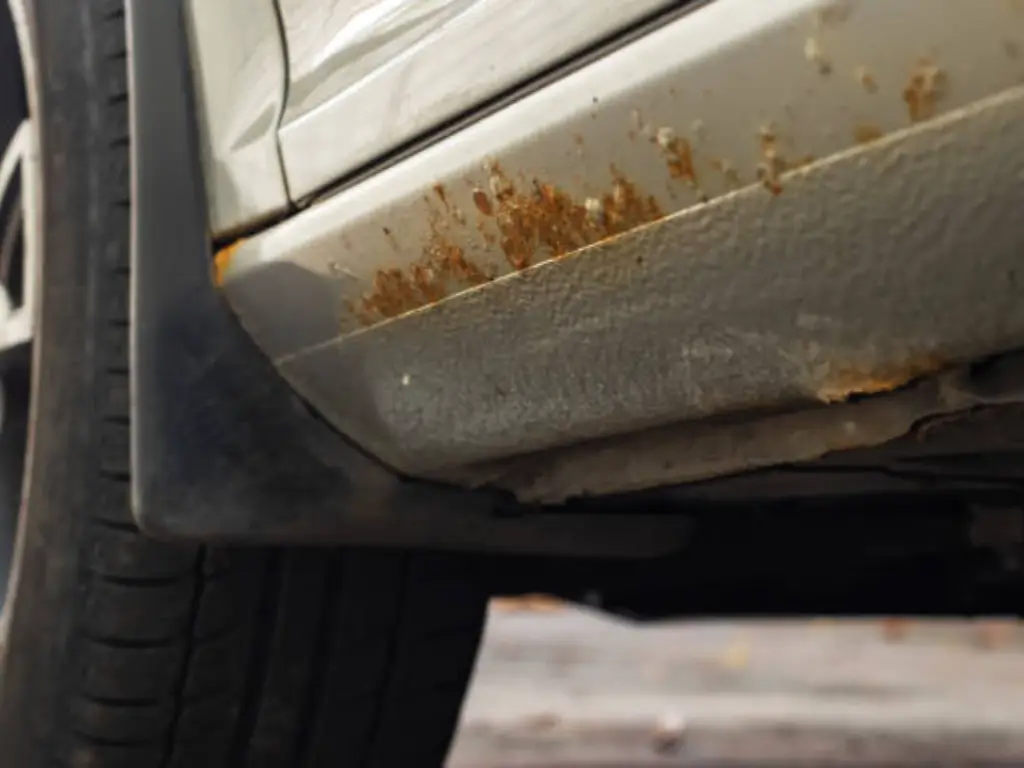
- Road Salt: When you live in a “salt belt” state, the salt that is applied on the roads during winter is an existential danger to the chassis of your car. An automatic wash with an undercarriage spray is a “necessary evil” in this case. The risk of a few swirl marks is much lower than the risk of your frame rusting through.
The Depreciation Curve
In the case of a 10-year-old commuter car that has covered 150,000 miles, the price of a hand detail of $200 by a professional hand is not financially viable on a monthly basis. The time-cost of hand washing is higher than the retention of resale value of the car. But in the case of a luxury car, a sports car or a new SUV, the damage caused by the wash can easily reduce the resale value by 10-15% when a critical buyer notices the battered condition of the paint.
The Ultimate Defense: How FlexiPPF Ends the Washing Dilemma
Years on, car enthusiasts have been caught between two evils: either spend all of their Saturday mornings with two buckets and a hose, or see the beauty of their car die in a car wash tunnel. FlexiPPF (Paint Protection Film) was engineered to break this cycle.
As a leading global supplier with a 60,000m² manufacturing facility, FlexiPPF provides a “hardened armor” for your vehicle that fundamentally changes the rules of car care.
Why FlexiPPF is the Game Changer:
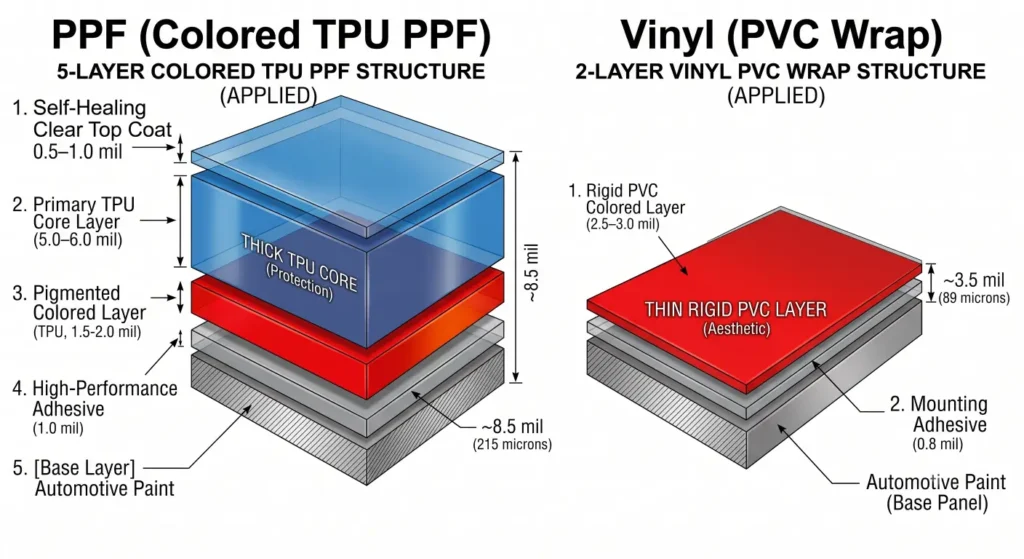
- Self-Healing Technology: This is the “magic” feature. Our TPU films have a thermoplastic top coating. When a car wash brush scratches a car with FlexiPPF in a micro-scratch, you do not require a polisher. All one has to do is to park the car in the sun or pour warm water on the spot; the molecules of the film will go back to their original position, and the scratch will be gone immediately.
- Chemical & Corrosion Resistance: While touchless washes use high-pH chemicals that ruin plastic and wax, FlexiPPF is built with an advanced ceramic coating layer. It boasts a 110º hydrophobic contact angle, meaning harsh chemicals and grime slide off without penetrating to the original paint.
- Unmatched Durability: Leveraging German magnetron sputtering technology and 13 Leybold production lines, FlexiPPF is tested to withstand 5,000 hours of UV exposure and temperatures up to 80°C.
- The 10-Year Peace of Mind: We provide a 10-year warranty against yellowing, cracking, and peeling.
In the case of FlexiPPF, the question of the “Automatic Car Wash” is not relevant. You have the convenience of the tunnel wash and the finish of a show-car. You are a car dealership and need it delivered in 1-2 days or you are a car owner and want the best, FlexiPPF uses BASF polyester base and Ashland adhesive to make sure that your investment is bulletproof.
The Survival Guide: Minimizing Damage If You Must Machine Wash
In case you have not installed PPF yet and are compelled to use an automatic wash, you can take these steps of damage control:
- Choose Touchless Over Friction: When the car is not covered with thick mud, then always use the touchless. A dirty car is preferable to a scratched one.
- Pre-Rinse is Key: In case of a self-serve bay, the high-pressure wand should be used to loosen the heavy grit before it goes into the automated tunnel. This decreases the “sandpaper” that the brushes have to hold.
- Skip the “Hot Wax” Packages: The majority of the so-called “Triple Foam” or “Clear Coat Protectors” in automatic washes are of low quality silicones that only last until the next rain. Worse, they can sometimes trap residual dirt against the paint.
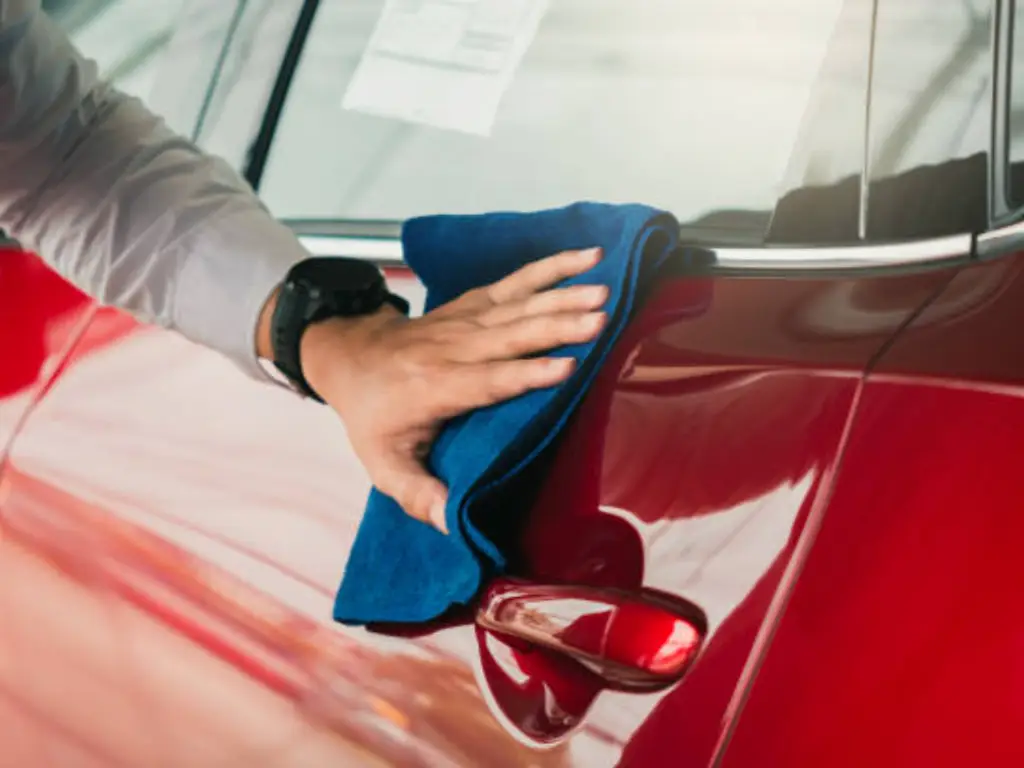
- Dry It Yourself: The industrial blowers at the end of the tunnel never get the car 100% dry. The remaining droplets will dry into Water Spots (mineral deposits). Carry a clean, high-GSM microfiber towel in your trunk and give the car a final wipe-down in the parking lot.
- Apply a “Sacrificial Layer”: After an automatic wash, apply a quick spray sealant or “drying aid.” This provides a temporary barrier that the harsh chemicals of the next wash will eat through first, protecting your clear coat.
Safe Alternatives: Rinseless Washes and Proper Hand Techniques
For those who want to avoid the risks entirely but live in apartments or areas with water restrictions, there is a middle ground: The Rinseless Wash.
The “No-Hose” Solution
There are products such as “Rinseless Wash” (polymers to wrap dirt) that enable you to wash your car using only one bucket of water and a few towels. You do not have to use a hose and you will not leave a mess on the ground. This method is safer than a touchless wash and faster than a traditional hose-and-bucket wash.
The Two-Bucket Method
If you have access to a driveway, the Two-Bucket Method remains the gold standard:
- Bucket 1: pH-neutral soap and water.
- Bucket 2: Plain water for rinsing your wash mitt. Rinsing your mitt in the plain water after each panel will make sure that the dirt you just removed off the car does not reappear on the next panel.
Conclusion
Are automatic car washes bad? Technically, yes. They are a compromise. They provide a degree of convenience that is required in modern life, but at the cost of the aesthetic life of your vehicle. Nevertheless, the introduction of such technologies as FlexiPPF allows car owners not to make a choice. You will be able to have the speed of the 21st century and still have a finish that looks like it has just come off the assembly line.
Ready to stop worrying about car wash damage? Explore the full range of protection at FlexiPPF.
 English
  Spanish
  Dutch
Dutch  Japanese
  Russian
  Arabic