
The purchase of a new SUV, truck, or luxury sedan is usually accompanied by the smooth appearance of dark rear windows. Most owners drive away the lot thinking that their car is already completely covered against the harsh sun rays. However, after the first summer heatwave, the realization sets in: the cabin is still sweltering, and the skin on your arm still feels like it’s burning despite the dark glass.
This leads to the most frequent questions in the automotive detailing world: Can you tint over factory tint? The answer to this is a resounding yes, though it has to be done right and that involves an understanding of optics, physics and legalities. In this comprehensive guide, we will break down why factory glass isn’t what it seems and how the installation of window film can help you achieve the ultimate balance of style and climate control.
Privacy Glass vs. Window Tint: Know the Key Differences
The misunderstanding is normally due to the absence of differentiation between the “Privacy Glass” and the “Aftermarket Window Tinting.” Although they might appear the same at a distance of ten feet, their production and working characteristics are completely different.
What is Factory Privacy Glass?
Privacy Glass, which is also known as factory tint, is not a film. In the glass making process, the raw glass is profoundly stained with pigments (typically electrical-conductive metal oxides) to make it look dark. This glass is normally mounted on the back windows of SUVs, crossovers, and pickup trucks to offer vehicle occupants with visual privacy and to give the vehicle a more rugged and high-end appearance.
What is Aftermarket Window Tint?
Aftermarket window film is a multi-layered polyester film that is applied to the inside of their factory glass surfaces. this type of tint is an addition to the window structure, unlike privacy glass, which is permanent and is part of the window structure. These movies have complex layers such as scratch resistant coating, adhesive layers and heat absorbing ceramic or metallic particles that combine to block certain light wavelengths.
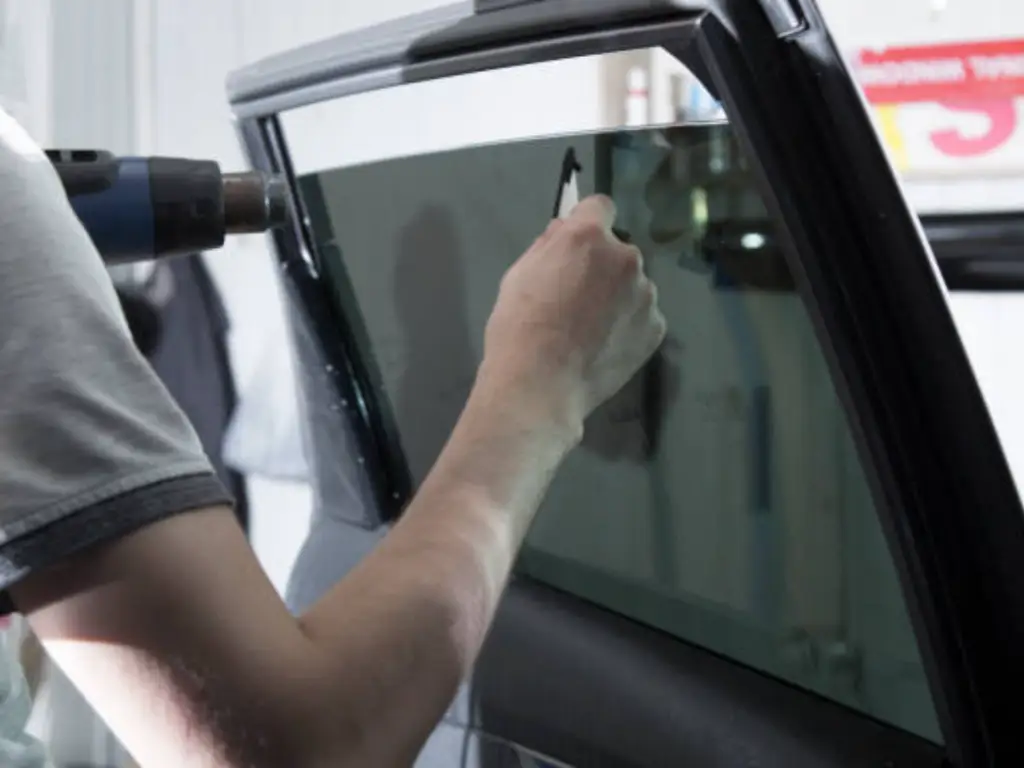
Key Takeaway: Factory privacy glass is for looks; automotive window film is for performance. The only solution to transform a “dark” window into a “cool” window is to place a high-quality protective layer on top of factory glass.
Why Factory Tint Won’t Block Heat or UV Rays
We must examine the Solar Spectrum to know why your dark factory windows are not cooling you. Sunlight is composed of three primary elements:
- Visible Light: What we see.
- Ultraviolet (UV) Rays: What causes skin cancer and interior fading.
- Infrared (IR) Rays: What we feel as “heat.”
The “Pigment” Problem
Privacy glass is similar to a pair of inexpensive sunglasses. It employs dark colors to minimize the Visible Light that passes through the window and thus makes the window appear dark. These pigments are however mostly clear to the rejection of uv rays and IR radiation. While many owners ask, “can you put tint over factory tint to fix this?” the answer lies in the physics of the glass itself.
When IR rays hit privacy glass, the glass itself absorbs some of the energy, becomes hot to the touch, and then radiates that heat directly inside of the car. Moreover, the privacy glass offered by the majority of factories has a low level of UV protection, exposing your leather dashboard and the skin of your passengers to permanent damage.
The Science of Rejection
Aftermarket window tinting, particularly those utilizing nano-technology, acts as a thermal barrier. Instead of just “darkening” the view, these films reflect or absorb IR and UV rays before they can enter the vehicle. Without an automotive window tinting solution, your factory-tinted SUV is essentially a rolling greenhouse—dark on the outside, but baking on the inside.
The Physics of Thermal Re-Radiation
To know why privacy glass is hot, it is necessary to examine Thermal Re-radiation. When the solar energy is absorbed by the normal factory-tinted glass, it becomes thermally saturated. Since the glass does not have a reflective barrier, it starts to re-radiate that absorbed heat into the interior of the vehicle by long-wave infrared radiation. This creates a “radiator effect” where the glass itself becomes a heat source, making better heat retention a disadvantage in summer.
Spectral Filtering Technology
Advanced nano-ceramic films solve this by employing Spectral Filtering. These films are designed to have atomic-scale layers that create a “band-pass filter” unlike dyed films which merely absorb light. They are designed to permit visible light to pass through to make them clear and selectively reflect the particular wavelengths of the Near-Infrared (NIR) spectrum (780nm to 2500nm), which contains most of the solar heat. By reflecting these wavelengths before they are absorbed by the glass, the film maintains a lower glass surface temperature and prevents the cabin from becoming a thermal trap.
Calculating VLT: The Math Behind Layering Window Film
When you choose to put a layer of tint on factory glass, you are working with a compound effect. The first one is to believe that you can just add or subtract the percentages but that is not how light works. Instead, you have to look at it as a “percentage of a percentage.”
How to Determine Your Final Darkness: Visible Light Transmission (VLT) is the percentage of light that successfully passes through the glass. If your factory rear glass has a VLT of 20%, it means it already blocks 80% of the light. When you add a new film on top, that new film only filters the 20% of light that was already getting through.
The Simple Rule: To find your final VLT, you multiply the factory glass percentage by the new film’s percentage. It is this filtering that causes most car owners to end up with “blacked-out” windows that cannot even be seen at night.
For Example: If you have 20% factory glass and apply a 35% tint film over it:
- The Calculation: 0.20 (Factory) x 0.35 (New Film) = 0.07.
- The Result: Your final window darkness will be 7% VLT.
VLT Layering Reference Table
Below is a guide to help you estimate the final darkness of your windows when layering:
| Factory Glass VLT | Aftermarket Film VLT | Resulting Total VLT | Visual Comparison |
| 20% (Standard Rear) | 70% (Clear Ceramic) | 14% | Slightly darker, high heat rejection |
| 20% (Standard Rear) | 50% (Light Tint) | 10% | Deep privacy, similar to “Limo Tint” |
| 20% (Standard Rear) | 35% (Medium Tint) | 7% | Very dark; difficult night visibility |
| 20% (Standard Rear) | 20% (Dark Tint) | 4% | Extreme darkness; potentially unsafe |
| 75% (Standard Front) | 35% (Medium Tint) | 26% | Common legal limit in many areas |
Choosing the Best Film Types for Factory-Tinted Windows
Since factory glass is already dark, your goal for the second layer should be maximum heat rejection with minimal added darkness. Technological advancements have offered a wide variety of shade levels to select.
- Dyed Window Film
This is the cheapest and yet it is not very effective in layering. Dyed films operate by absorbing heat in the glass. When used on top of already-dark factory tint, they may cause the glass to reach very high temperatures, which may cause thermal stress cracks but provide no protection against Infrared (IR) heat.
- Carbon Window Film
Carbon films involve the use of nano-carbon particles which are more stable than dyes. They have a gorgeous matte finish and will not turn purple. Although they offer superior heat rejection compared to dyed films, they are also based on absorption and not reflection.
- Ceramic and Nano-Ceramic Film (The Gold Standard)
Ceramic films are engineered specifically for performance. They have non-conductive, non-metallic ceramic particles which serve as a high-tech shield. Because they are metal-free, they do not interfere with the operation of their bluetooth, radar detectors, or premium satellite radio options found in newer models.
Why it’s the winner: Since ceramic film offers enormous heat rejection no matter what shade it is, you can put a nearly transparent (70% or 80% VLT) film over your 20% factory glass. This stealth upgrade will enable the window to appear as it did when it was at the dealership, but it will now be able to block up to 95% of Infrared heat (IR), which will result in a tangible fuel savings by lowering AC load.
Case Studies: Perfect Matching for Tesla, Ford, and Toyota
It is an art to have a consistent appearance on a vehicle. The majority of SUVs and trucks have 20% privacy glass on the back and clear glass (around 75%-80%) on the front.
The Tesla Model Y Challenge
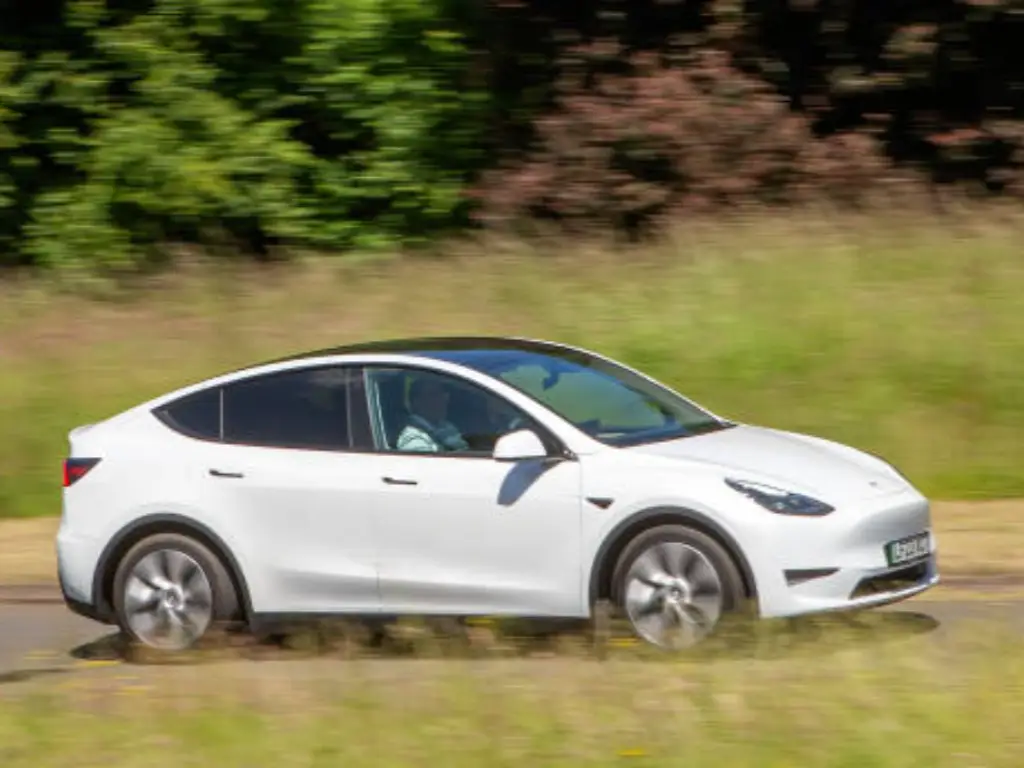
The Tesla Model Y has a huge panoramic roof and rear windows that have factory-tinted glass. Nevertheless, Tesla owners frequently report about “cabin overheat” due to the lack of IR rejection of these glass panels.
- The Solution: To match the front windows to the rear, owners typically install a 20% film on the front passenger windows. To protect the rear passengers without making the windows “pitch black,” we recommend a high-VLT ceramic film (like 70%) over the rear.
- The FlexiPPF Advantage: The application of FlexiPPF Nano-Ceramic Film offers a clear advantage in this case. It has a 99% UV (UV400) and 70% IR rejection, which immediately addresses the heat problem of Tesla. Since FlexiPPF is available in 100+ product types, the owners can select the specific shade, 5% to 50% to be the exact shade to match the unique “smoke” color of the Tesla OEM glass. Moreover, the Precise Pre-Cutting service offered by FlexiPPF is based on the 3D scanning that makes sure that the film fits the complicated curves of the Tesla windows perfectly without the possibility of a blade touching the glass.
The Ford F-150 Matching Strategy
The Ford F-150 is the standard of the American pickup, yet the front windows are entirely clear, which gives the vehicle a “two-tone” appearance that is not liked by many owners.
- The Solution: To achieve a perfect factory match, a 20% VLT film is usually applied to the front.
- The FlexiPPF Advantage: Ford windows are subject to severe conditions, such as the occasional stray pebble. FlexiPPF is made of a German BASF Polyester Base and an American Ashland Adhesive, which makes the film remain attached even when the off-road driving is in heavy vibration. The 10-year warranty will provide Ford owners with the confidence that their tint will not peel or bubble when they are at the job site. Our 24-hour response and highly qualified R&D team means that we offer climate-specific advice to keep your F-150 cool in the deserts of Arizona or the Florida humidity.
The Toyota Family SUV Setup (RAV4 & Highlander)
Family SUVs such as the Toyota RAV4 and Highlander are heavily tinted in the rear windows right out of the factory to offer privacy to the passengers. But soon parents understand that this privacy glass is not able to prevent the scorching heat and harmful UV rays to reach children in the back seats.
- The Solution: In the case of family cars, comfort and safety are the most important. To prevent the heat, the owners usually place a 70% or 50% clear ceramic film on the back factory glass to avoid making the cabin feel like a cave. To the front, a 35% film is frequently used to fit the appearance without exceeding the legal boundaries of most states.
- The FlexiPPF Advantage: FlexiPPF has the best UV Protection when it comes to securing your family. Our high-grade ceramic coating prevents more than 99 percent of the harmful UV rays (UV400) and keeps the sensitive skin of your children safe as well as the interior upholstery of your car intact and uncracked. Moreover, FlexiPPF offers up to 55% Glare Reduction, which makes driving in the sunrise or sunset much safer. Our films are a bonus, as they provide Safety Enhancement, by strengthening the glass; in case of an accident, the film will keep the shattered glass together, and your family will not be hit by the flying glass.
How to Match Front Windows with Factory Rear Tint
The most popular reason why vehicle owners go to top tier shops is the “Matching” aesthetic. The majority of SUVs and trucks in the modern world are equipped with “two-tone” glass, dark at the back, clear at the front. But it is more complicated than matching the numbers to get a smooth, homogeneous appearance. When your rear windows are 20% factory privacy glass, a 20% film on the front will hardly ever give a perfect visual match.
The Physics of the “Fishbowl” Effect
The primary culprit is the front windshield. The front cabin is filled with light through the huge, transparent windshield, unlike the rear of the vehicle, which is a “dark box.” This ambient light illuminates the interior side of your front windows, making the tint appear significantly lighter than the rear windows, which are surrounded by a darker cabin environment.
Pro-Tips for Aesthetic Balance:
- Go One Shade Darker in Front: To compensate for the light coming through the windshield, many enthusiasts and professional installers recommend going one step darker on the front. When you have a 20% rear factory glass, you can apply a 15% film on the front side windows to make the silhouette look more balanced when looking at the outside.
- Consider the Interior Color: Your upholstery plays a massive role in light absorption. A vehicle that has black leather interior will automatically cause any tint to appear darker and “richer” since the dark surfaces will absorb the light. A car, on the other hand, with a tan, light gray or white interior reflects the light back through the glass and even a dark 15% tint is much more transparent.
- The “Eyeball” Test: Never commit to a VLT based on a catalog. Always ask your installer to “tack” a scrap piece of the actual film onto the front window. Check the match against the passenger side windows in natural sunlight. Some owners even add a small strip (brow) at the top of the windshield to further reduce light and match the aesthetics of your vehicle.
Staying Legal: Understanding VLT Limits and Safety Risks
You need to check with your local Tint Laws before you make the decision to overlay high-performance film over factory glass. All states and nations have certain VLT requirements on the front side windows and most have recently introduced more restrictive requirements on the rear windows. Lack of knowledge of these laws is hardly a defense in a traffic stop, particularly given the fact that police officers now have portable “Tint Meters” which can read the actual VLT of your glass in a few seconds.
The Risk of “Double Tinting”
When you stack films, the darkness increases exponentially, often far beyond what is safe for road use. When you apply a 5% Limo Tint to a 20% factory window, as we have calculated in the calculation section, you do not get 5%, you get an astounding 1% VLT. At this level, your windows are essentially opaque from the outside, leading to critical safety and legal consequences:
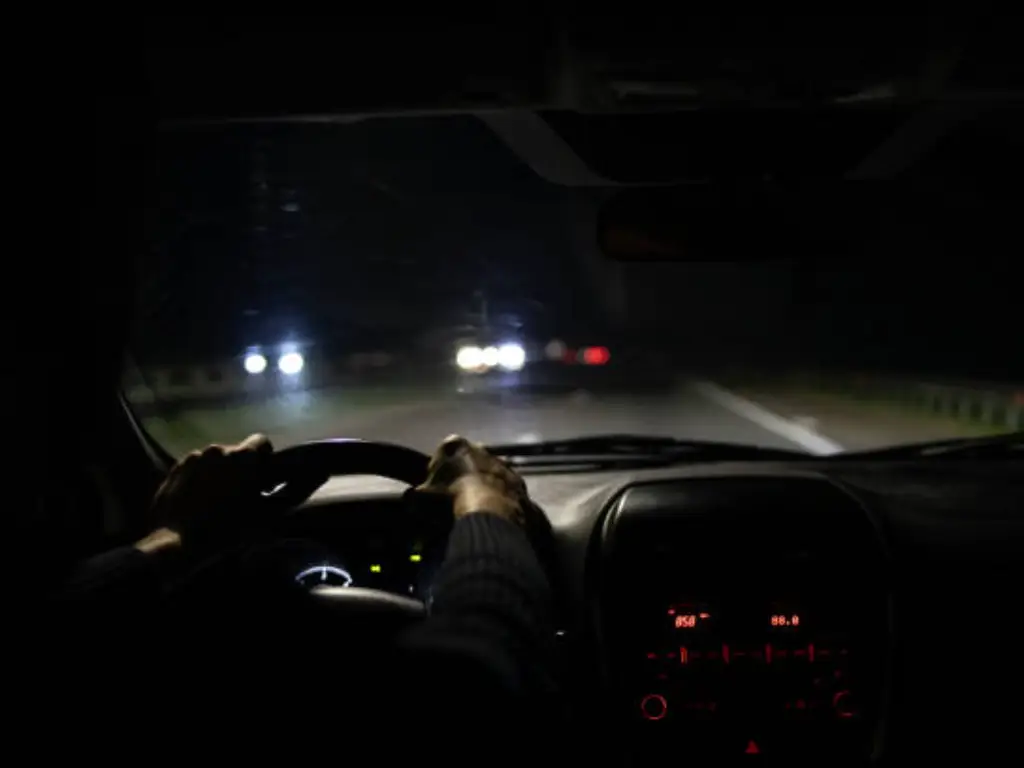
- Night Driving is Dangerous: At 1% VLT, your peripheral vision is virtually eliminated after sunset. You will struggle to see pedestrians in dark clothing, unlit cyclists, or even yellow lane markings during a rainstorm. Turning at intersections becomes a guessing game, as the side windows no longer allow enough light for you to judge distances or spot obstacles.
- Legal Liability: When an accident happens, even though you are not to blame, the darker the windows than the legal requirement, they can be used against you in court to show negligence. A lawyer might claim that you willfully changed the safety equipment on the vehicle, which directly affected your capacity to prevent the accident, which might result in rejected insurance claims or personal litigation.
- Police Attention: Dark windows are a “rolling red flag” for law enforcement. They are one of the main causes of “fix-it” tickets that are not only expensive but also demand you to demonstrate that the film has been taken off. When you have applied costly ceramic film to factory glass, one ticket may compel you to remove hundreds of dollars of material and labor.
Why You Must Consult Local Laws
The laws of tints are not universal; they differ greatly according to the place of residence. The following are some of the reasons why a “one-size-fits-all” approach is not effective:
- California: Generally requires 70% VLT for front side windows, meaning almost no visible darkening is allowed, though high-heat-rejection clear ceramics are popular here.
- Texas & Florida: Due to the extreme heat, these states are more lenient, often allowing down to 25% or 28% VLT on front windows.
- New York: Features some of the strictest laws in the U.S., requiring 70% VLT on almost all windows for passenger cars, enforced strictly during annual vehicle inspections.
- International Markets: Countries such as the UK demand at least 70% VLT on the front side, and most of the Middle East markets permit much darker tints to fight the desert sun.
Always ensure your total calculated VLT stays within the legal boundaries of your primary driving area. Before purchasing your film, check a reliable database like the IWFA (International Window Film Association) or your local DMV website to ensure your “Perfect Match” doesn’t turn into a legal seal of approval.
Common Mistakes When Adding Tint Over Factory Glass
Numerous DIY projects and poor workmanship in the shops do not work with factory-tinted windows. The following are the pitfalls to be avoided.
Mistake 1: Tinting Over “Old Aftermarket Tint”
You can tint over factory privacy glass, but you should never tint over existing aftermarket film. When a former owner has already applied a film, a second layer of film will entrap moisture, cause enormous bubbles, and nullify any warranty by the manufacturer.
How to Identify “Old Film” vs. “Factory Color”
- The Edge Test: Roll the window down slightly. When there is a small space (1-2mm) between the top of the color and the edge of the glass, it is a film. Privacy glass in the factories is solidly colored to the edge.
- The Scratch Test: Use a fingernail to feel for a “lip” on the inside of the glass. When the surface is smooth as a mirror, then it is probably factory glass.
Mistake 2: Damaging Rear Defroster Lines
In case you find that you have old film that you have to remove before applying new high-performance film, you should be very careful with the rear window. Your orange/brown horizontal lines on the back glass are your defroster heating elements.
- The Safe Way: Use a professional steamer. The adhesive is made soft by the heat and moisture and the film can be pulled off without damaging the delicate metallic lines.
- The Chemical Method: Special adhesive removers can be used, although metal razor blades should never be used on a surface with defroster lines.
The Value of Professional Installation
A professional installation ensures that the glass is surgically cleaned. When layering over privacy glass, any speck of dust is magnified because the background is already dark. High-end installers provide a Clean Room environment and a Manufacturer Warranty (like the 10-year support offered by FlexiPPF) to ensure that your investment in style and heat rejection lasts for the lifetime of the vehicle.
Conclusion
You can have the best of both worlds with a high-quality ceramic film over your factory privacy glass: the appearance of a “blacked-out” car in a private limo, and the feel of “ice-cold” performance of high-tech aerospace technology. You can be aligning the front windows of your F-150 or you can be cooling the cabin of your Tesla, but it is the knowledge of the math and the material that will make your upgrade successful.
Ready to achieve the perfect balance of heat rejection and high-end style? As a premier one-stop window film supplier, FlexiPPF provides the advanced nano-ceramic technology and precise pre-cutting services you need to transform your factory-tinted vehicle into a climate-controlled sanctuary.
Explore the FlexiPPF Window Film Collection and contact our expert R&D team today for a personalized recommendation tailored to your specific climate and vehicle model!
 English
  Spanish
  Dutch
Dutch  Japanese
  Russian
  Arabic