

In the car ownership landscape of 2026, a vehicle is far more than mere transportation; it’s a significant investment and a personal statement. However, maintaining that ‘showroom shine’ requires more than a simple exterior wash. Professional auto detailing services offer a meticulous restoration process for both interior detailing and exterior detailing. Yet, many owners find the car detailing cost daunting. The most common question emerging in the industry is, how much does car detailing cost when one shop quotes $75 while another demands $800 for seemingly identical services?
The thing is that the auto detailing services business is highly subtle. The prices depend on the size of your vehicle particularly the larger vehicles, its clean foundation, the quality products used, the expertise of the technician and the geographical location you are residing in. It is more than ever that you should be aware of where your money goes to get the best results when specialized electric vehicles (EVs) are the norm, when ceramic finishes and very tightly regulated chemical safety standards are the new order of the day.
This comprehensive guide is designed to demystify car detail prices. We will break down exactly what you should expect to pay, what services are included in regular maintenance packages, the hidden factors that can inflate your quote, and how to spot red flags before handing over your keys for your first session. You are either selling an old sedan or you are purchasing a new luxury SUV, this guide will give you the knowledge to get the best possible price out of your money.
Average Car Detailing Prices: What to Expect in 2026
If you are just looking for a quick baseline before you start calling local shops, we have compiled a fast-reference guide based on national averages for 2026. Remember that these figures are an average starting point for vehicles in a clean surface condition. When your car has been serving as a mobile restaurant or a dog park over the past three years, it will require extra attention and a deep cleaning, meaning you will be paying on the higher end of these scales.
To give you a clear snapshot, here is a breakdown of average detailing prices categorized by vehicle size and the level of service:
| Vehicle Size / Type | Basic Detail (Express) | Full Detail (Standard) | Premium Detail (Showroom) |
| Coupes & Small Sedans | $50 – $90 | $150 – $250 | $350 – $600+ |
| Mid-Size SUVs & Crossovers | $75 – $120 | $200 – $300 | $450 – $800+ |
| Large Trucks, Minivans & 3-Row SUVs | $100 – $150 | $250 – $400 | $550 – $1,200+ |
Why the wide ranges?
The table above has considered the different labor rates in different regions in the pricing. An example is a simple fact that a simple exterior wash in a high cost of living neighborhood such as San Francisco or New York will inherently be on the higher end of the scale than a suburban town in the Midwest. Moreover, the upper limit of the “Premium” category is open-ended due to the fact that it frequently involves multi-stage paint correction (machine polishing to remove deep scratches), which can require 10 to 30 hours of work depending on the extent of damage to the car’s paint.
Breaking Down Basic, Full, and Premium Detailing Packages
The most common mistake consumers make is assuming that “detailing” means the same thing at every shop. To avoid sticker shock or disappointment when you pick up your car, you must understand the specific boundaries of each package. This understanding is the foundation of any successful detail. Here is a detailed breakdown of what is typically included—and crucially, what is excluded—in standard industry tiers.
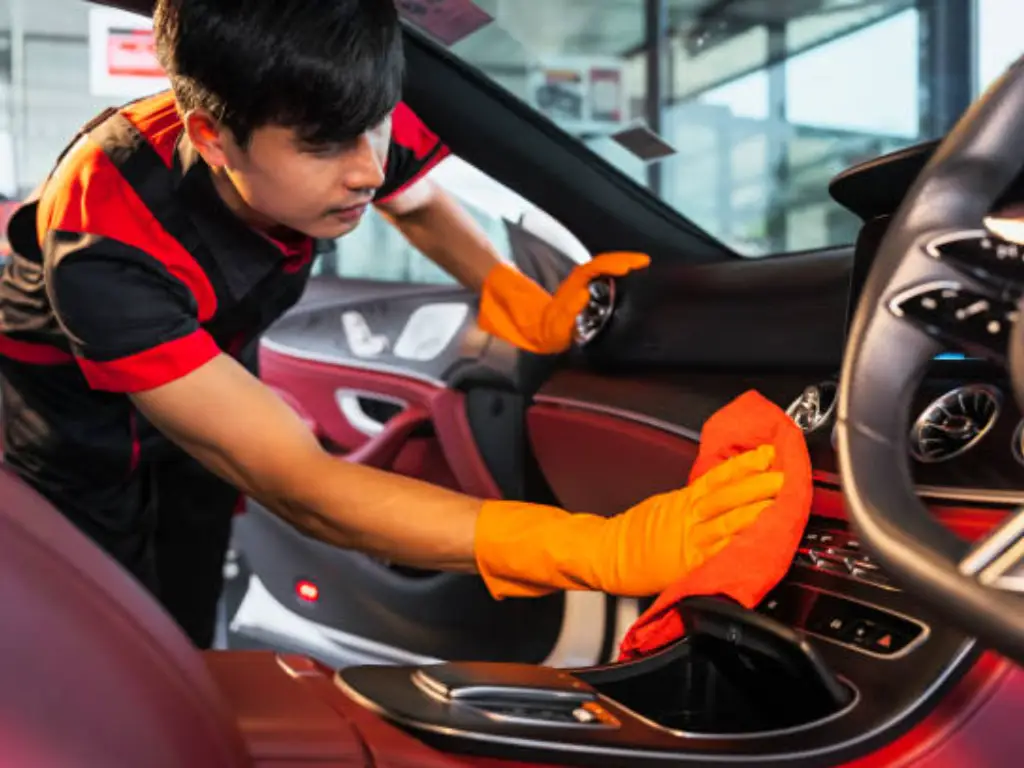
- Basic Detail (The Express Wash & Vac)
A simple fact is nothing but a quality regular maintenance wash. It is aimed at vehicles that are already in fairly good shape and only require a makeover to improve the car’s appearance.
- What it includes: A thorough hand wash and dry of the exterior, cleaning of the wheel faces and tires, application of a spray wax or quick sealant (lasting 2-4 weeks), interior vacuuming of seats and carpets, wiping down of the dashboard and center console, and cleaning of interior and exterior glass using fresh microfiber towels.
- What it DOES NOT include: Stain removal, carpet shampooing, leather conditioning, clay bar treatment, or any form of scratch removal. If you have pet hair or spilled coffee inside the car’s cabin, a basic detail will not address it.
- Full Detail (The Standard Deep Clean)
This is the most favored package for your first detail session or bi-annual maintenance. It restores the car to a very presentable condition, addressing the dirt and grime through deep cleaning.
- What it includes: All the basic package, except a chemical and mechanical decontamination of the paint (an iron remover and a clay bar to scrape out the industrial fallout). It contains a good hand wax or synthetic sealant (lasting 3-6 months). The carpets and cloth seats are shampooed and hot-water extracted, the leather seats are thoroughly cleaned and conditioned, the door jambs are degreased and all interior plastics are treated with quality products like a UV protectant.
- What it DOES NOT include: Machine polishing (paint correction) to remove swirl marks, engine bay cleaning, or specialized hazard removal (like mold or bodily fluids).
- Premium Detail (The Showroom Restoration)
High-end cars are reserved either by enthusiasts wanting a glossy ride or by cars that are being auctioned off at high prices. This package is more concerned with permanent restoration as opposed to cleaning, achieving a clean finish.
- What it includes: Everything in the Full Detail, heavily focused on the exterior detailing. It includes a 1-step or 2-step paint correction process where a technician uses the right tools like a dual-action polisher and premium products to level the clear coat, permanently removing 70% to 90% of swirl marks, light scratches, and holograms. It often concludes with a high-grade silica (SiO2) ceramic sealant or an entry-level ceramic coating for long-term protection.
- What it DOES NOT include: Heavy collision repair, deep gouge repair that has penetrated the base coat, or full-scale upholstery replacement.
Popular Add-On Services and Their Costs
Detailed menus are similar to a la carte. You do not always have to upgrade to the highest package in case you just require extra attention on a particular problem. You can simply purchase add-ons. Here are the most common ones:
- Engine Bay Cleaning ($50 – $150): The technician carefully covers sensitive electronics (alternator, intake) and uses degreasers and low-pressure water to clean the engine compartment. This is strongly advisable when you are selling the car or you want to easily identify oil leaks.
- Headlight Restoration ($50 – $120): Over time, UV rays oxidize plastic headlight housings, turning them yellow and cloudy. This service involves wet-sanding the plastic and applying a new UV clear coat, dramatically improving nighttime visibility and safety.
- Ozone Treatment / Odor Removal ($50 – $100): When your car reeks of cigarette smoke, mildew, or wet dog, it is not enough to shampoo the seats. The sealed car is put in an ozone generator to chemically decompose and eliminate odor-causing molecules at the microscopic level in an hour.
- Undercarriage Cleaning ($40 – $80): This is important to drivers in the north or coastal regions. This service involves the use of special high-pressure wands that are used to blast off corrosive road salt, grime and sand off the chassis and suspension parts.
Key Factors That Impact Your Final Detailing Quote
Have you ever called a detailer, provided him with the model of your car and he said to you, “I must see it first before I can offer you a final price”? They are not attempting to defraud you, they are insuring their profit margins against unseen catastrophes. The last quote you get is highly dependent on a number of important variables. Understanding these will help you communicate better with your detailer.
Critical Factors (The Deal-Breakers):
- Initial Vehicle Condition: This is the absolute biggest wildcard. A 2024 SUV that is driven by a fastidious owner needs significantly less effort than a 2024 SUV that is used to take a shedding Golden Retriever and three toddlers who drop sticky candy. Should the technician be required to take two hours to remove dog hair in the carpet fibers using a pumice stone and special vacuums, you will be billed a “Pet Hair Surcharge” (typically $50-$100+).
- Biohazards and Extreme Neglect: When a person has vomited in the car, there is urine, blood, or heavy growth of molds, then it is not a “detailing” job but a “hazardous material remediation” job. The detailer should wear personal protective equipment (PPE), apply special enzymatic cleaners that break down biological proteins, and sanitize the extraction equipment after that. Biohazards will be charged at an extra of $150 to $300+.
- The Scope of Paint Correction: Paint correction is considered to be the most labor-intensive art of the automotive appearance industry. In case you have a black car (that reveals all the scratches) and you desire it to appear like a mirror, the technician might have to take 15 hours to compound and polish. You are not buying soap, but highly skilled labor.
Secondary Factors (The Misconceptions):
- Vehicle Age: Most customers believe that an older car is cheaper to wash since it is “not worth as much.” As a matter of fact, the older cars tend to be more dirty, have very oxidized paint and the interior plastics are brittle and take a lot of care and time to clean without being damaged. Price is dictated by condition, not the year on the registration.
- Vehicle Color: Although the color does not affect the price of a basic wash or interior detailing, it has a significant influence on exterior detailing. Dark colors (black, navy, dark red) are infamously hard to complete flawlessly since they bring out all the micro-marring scars. Dark-colored paint correction is a small premium charged by some detailers since it involves a more sophisticated multi-step polishing procedure to get a perfect finish.
Mobile vs. Shop Detailing: Comparing Convenience and Pricing
Among the initial choices you have to make is whether you would like the detailer to come to your driveway or you would rather drop your car at a physical location. The two service models possess their own unique advantages, and the knowledge of the cons of both approaches will assist you in selecting the most suitable one to fit your needs and budget.
Mobile Detailing: The Ultimate Convenience
Mobile detailers work out of fully equipped trailers or vans, with their own spot-free water tanks, generators, air compressors, and an assortment of chemicals.
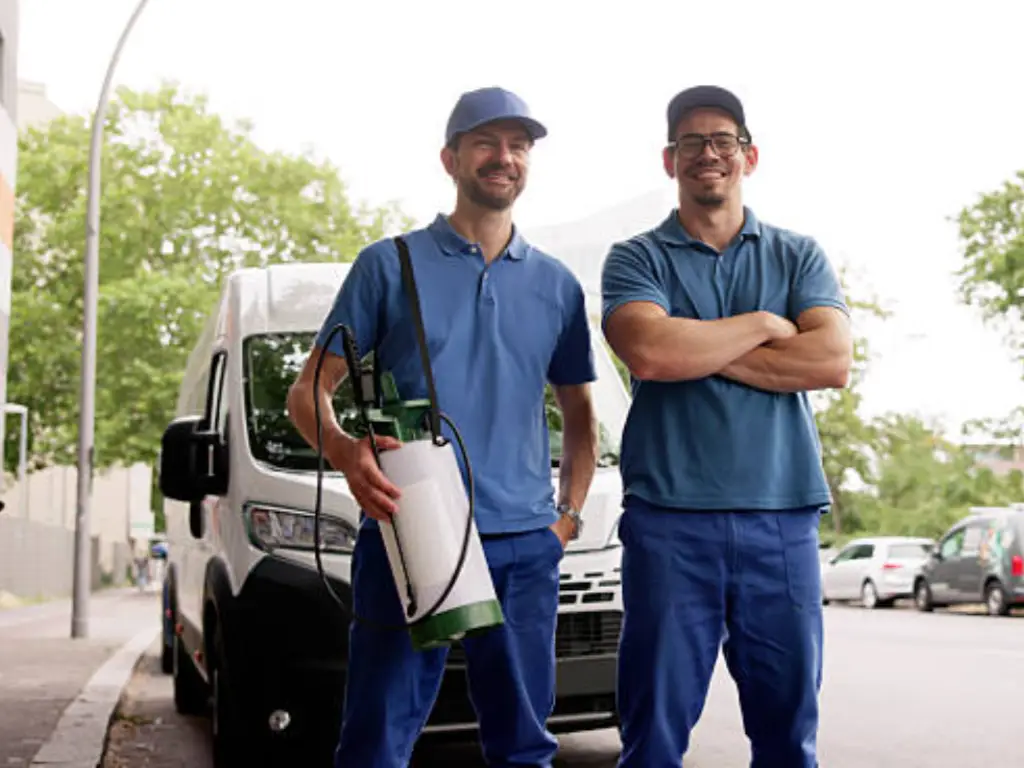
- The Pros: You do not need to spend time driving around town, finding someone to drive you back or waiting in a queue. You can remain in the driver’s seat of your schedule as your car is being converted in your driveway or corporate parking lot.
- The Cons: Mobile detailers are subject to the elements. Direct sunlight may make soaps dry too fast and wind may blow dust on a freshly washed car. They are also not permitted to carry out engine washes in residential places because of EPA runoff laws.
- Pricing Expectations: Because they bring the shop to you, mobile detailing typically commands a 15% to 25% premium to cover travel time, fuel, and equipment setup.
- Basic Mobile Package: $80 – $150
- Full Mobile Detail: $200 – $350
Shop-Based Detailing: The Controlled Environment
Physical detailing studios are special purpose studios that are designed to streamline the detailing process.
- The Pros: The environment is completely regulated. No wind, no direct UV rays and the temperature is controlled. Special lighting (such as Scangrip color-match lights) is installed in professional shops and is used to show all the microscopic scratches in the clear coat. When you are paying a lot of money to have your paint fixed, you cannot afford to compromise on a clean and dust-free shop environment.
- The Cons: It involves logistical planning on your part to drop and pick the vehicle which consumes time in your day.
- Pricing Expectations: They are more competitive in pricing of standard jobs since they do not have to travel during downtimes. They however control the high-ticket, high-end restoration market.
- Basic Shop Package: $60 – $120
- Full Shop Detail: $180 – $300
The Verdict: When time is the most important thing to you, it is usually the more financially prudent choice to pay the additional $30 to $50 to have a mobile service. But when you need to polish your car in a machine or in a controlled place, then it is only right to choose a physical shop.
Specialized Costs: Detailing for EVs and Luxury Vehicles
As we navigate 2026, the automotive landscape has shifted dramatically. The growth of Electric Vehicles (EVs) and the growing use of exotic materials in luxury vehicles have compelled the detailing industry to evolve. A Tesla Model X or a Porsche 911 GT3 cannot be treated like a normal commuter car. Special materials need special knowledge and that knowledge is associated with special pricing structures.
Detailing Electric Vehicles (EVs)
EVs pose special problems that untrained detailers can easily get confused with, and this may cost thousands of dollars.
- Vegan/Synthetic Leathers: Brands like Tesla, Rivian, and Polestar use synthetic “vegan” leathers. These are notoriously prone to dye transfer (like blue stains from denim jeans) and can degrade if exposed to the harsh chemicals found in alkaline degreasers used on traditional cowhide. Detailers must use specialized pH-neutral cleaners and specific ceramic coatings designed for synthetic materials.
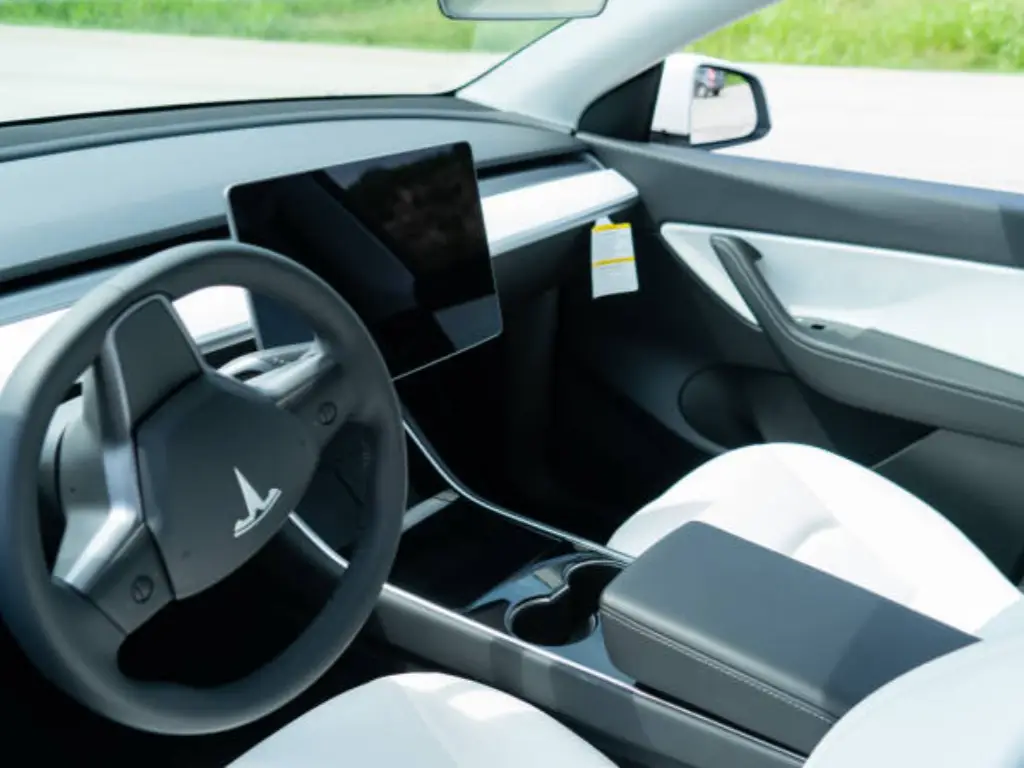
- Aerodynamic Wheels and Water Safety: EVs have complex, aerodynamic wheel covers that are tedious to clean properly without scratching. Furthermore, shooting high-pressure water directly into charging ports or undercarriage battery vents is a major liability. EV detailing requires a delicate hand and often utilizes waterless or rinseless wash technologies.
- Pricing Expectations: Due to the delicate nature of synthetic interiors and high-voltage safety protocols, expect a $50 to $100 surcharge on full interior detailing packages. A comprehensive EV Interior Restoration typically ranges from $250 to $450.
Luxury and Exotic Vehicles
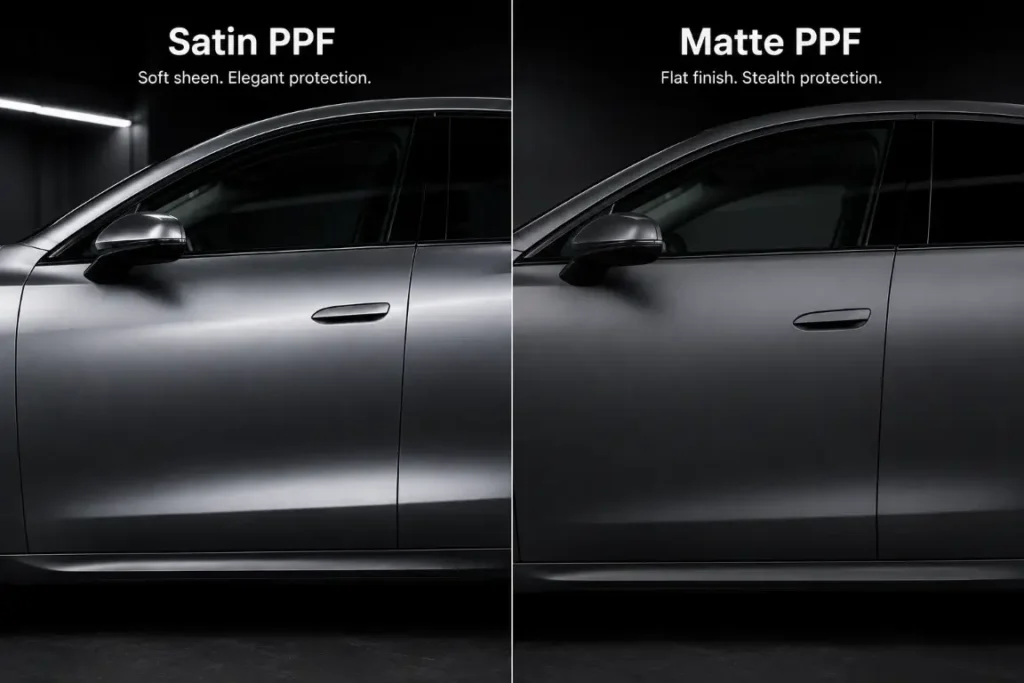
- Matte and Satin Paint Finishes: Factory matte paint jobs (like Mercedes-Benz Magno or BMW Frozen colors) are stunning but incredibly fragile. You absolutely cannot polish matte paint, and you cannot use traditional carnauba waxes, as it will ruin the flat finish and turn it into a splotchy, glossy mess. Detailers must use specialized matte-safe soaps and chemical decontaminants.
- Exotic Interiors (Alcantara/Carbon): Raw carbon fiber accents and Alcantara (synthetic suede) steering wheels are also used in high-performance vehicles and are easily matted down by the oils on human hands. Cleaning them requires specialized foaming cleaners and gentle brushing techniques.
- Pricing Expectations: Due to the high cost of the chemicals involved and the possibility of having to work on un-polishable surfaces, matte paint care may be 20% to 30% more expensive than regular gloss paint. Matte Exterior Care typically begins at $350 and may go up to $600. Race-inspired interior materials (such as Alcantara) are commonly charged at an add-on fee of $75 per hour of painstaking work.
Is It Worth It? Detailing ROI and Resale Value
When you see a $300 or a $500 detailing quote, you can just see it as an expense. Nevertheless, professional detailing is considered by smart car owners as a strategic investment. Aesthetic pleasure of driving a clean car is a pleasant side effect, but the actual benefit is long-term protection of assets and the highest resale value.
Let’s look at the math. When you are about to sell a five-year-old car, first impressions matter. A customer will automatically think of mechanical neglect when he/she sees a dirty, stinking interior and scratches in the paint. On the other hand, a car that has been given a Full Detail of $300, i.e. the engine bay is clean, the leather seats are soft, and the paint is shiny, will be charged an emotional premium. Industry valuation websites such as Kelley Blue Book indicate that a car in an “Excellent” cosmetic condition will fetch $1,000 to $2,000 higher than the same car in “Fair” condition. In this case, your $300 detailing investment will have a Return on Investment (ROI) of immediate and high value.
Moreover, Professional Detailing and diy detailing is a debate that is going on. It is not expensive to purchase a bucket and some soap but it is expensive to get professional results. The actual price of a diy detail would be to buy the right tools like a dual-action polisher, different foam pads, premium products, special interior extractors, and microfiber towels, which would cost a person at least more than $400 at the start. More to the point, a diy session is prone to a high risk of “burning” through the clear coat using a machine polisher and thus a visit to the body shop will be inevitable and cost thousands. Professional detailers bring the equipment, the safe chemical knowledge, and the insurance to protect your vehicle at a fraction of the cost of a major paint repair.
The Ultimate Solution: Moving from Detailing to Permanent Protection with FlexiPPF
Although routine detailing is a great ROI, it is a reactive cost. FlexiPPF provides the final proactive upgrade for drivers who want to have a showroom appearance and avoid the expense of having to repaint the car several times. Rather than spending $400 annually on detailing—totaling $2,000 over five years while thinning your clear coat—investing in FlexiPPF provides an impenetrable shield that pays for itself.
As a leading paint protection film manufacturer, FlexiPPF utilizes a premium BASF Polyester Base from Germany, delivering exceptional durability and crystal-clear optical clarity. Engineered with self-healing TPU technology, our films allow minor scratches and swirls to vanish under heat, ensuring your finish remains flawless without abrasive polishing.
Our commitment to quality is backed by:
- Global Materials: We use Ashland Adhesive from the USA for a flawless, heat-resistant bond that protects factory paint without peeling.
- Precision Engineering: With over 100 varieties of films, including matte and color-shifting options, our 3D scanning and pre-cutting process ensures a seamless fit for any vehicle.
- Total Protection: Beyond paint, our Nano Ceramic window tints block over 99% of UV rays (UV400) and reject 65% of solar heat. This preserves your interior upholstery and dashboards, preventing the cracking and fading that drive up long-term detailing costs.
FlexiPPF operates a massive 60,000m² facility featuring German magnetron sputtering and Leybold production lines. This large scale enables us to provide an industry leading 10-year warranty. When it comes to the economics of car care, the best bet towards the long-term value of your car is to switch to proactive protection using FlexiPPF instead of reactive detailing. By choosing FlexiPPF, you aren’t just cleaning your car; you are future-proofing its appearance and resale worth.
Red Flags: How to Avoid Overpaying for Poor Service
The barrier to entry in the detailing industry is low unfortunately. Any person can purchase a buffer in a hardware store, make a social media page, and identify himself as a “professional auto detailer.” Otherwise, you will find yourself paying high prices to get poor quality work that will even ruin your car. The following is how to identify the red flags and evade the “hack” detailers:
- The “Too Good to Be True” Lowball Price
When a store is selling a “Full Detail with Paint Correction and Ceramic Coating” at $150, run away. Even the best ceramic finishes are priced at $80 to $150 only in raw materials. Lowball detailers live on volume, i.e. they are in a hurry. They will clean the car with harsh chemicals, i.e., very acidic or alkaline industrial products, to clean it quicker, which may permanently stain aluminum trim, dry out rubber seals and remove clear coat life.
- The One-Bucket Wash Method
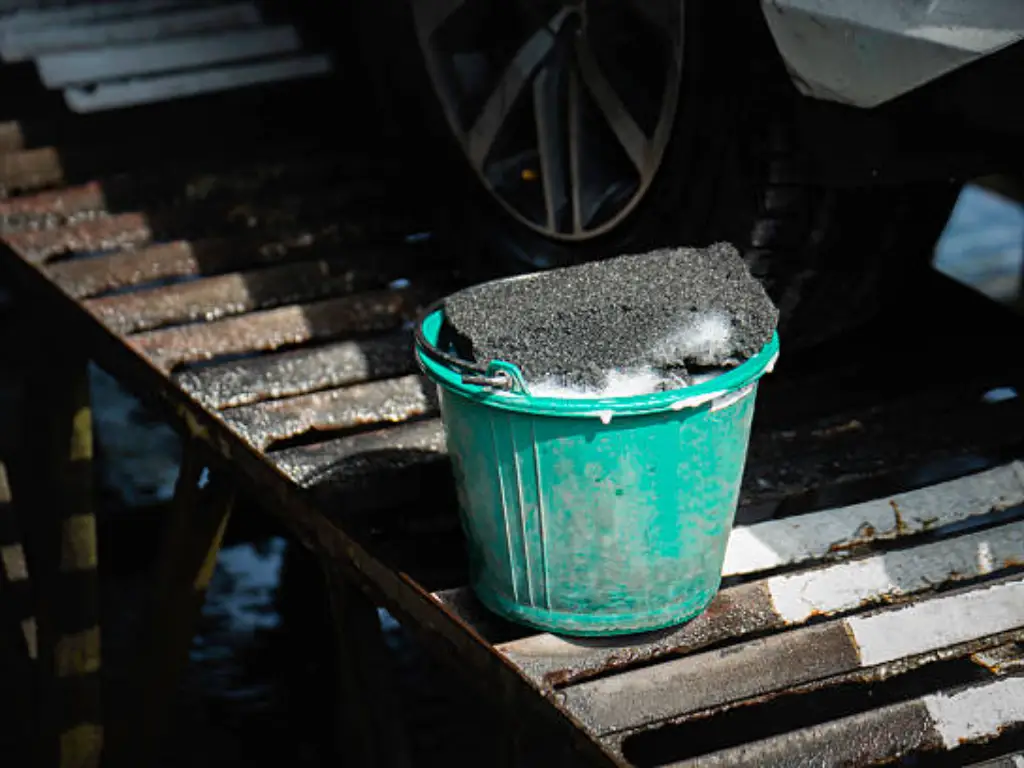
If you observe a detailer using a single bucket of soapy water to wash the entire car, they are actively scratching your paint. Professional detailers use a strict “Two-Bucket Method” (one with soap, one with clean water to rinse the dirty mitt) or a multi-mitt protocol, often utilizing grit guards to trap debris. When you put a dirty sponge back into clean soap, you simply rub abrasive dirt right back into your clear coat and create severe swirl marks.
- Using Glazes Instead of Polishing
Another typical fraud in the low-end detailing industry is charging more to remove scratches, when in fact they are simply applying a silicone glaze that is inexpensive. Glazes are used as cosmetic make-up; they seal the scratches with oils and make the paint appear shiny and perfect in a period of two weeks. But then you take the car and wash it with a standard chemical guys wash a couple of times and the glaze comes off and you realize that the scratches were never fixed. True paint correction uses abrasive compounds to permanently level the paint.
- Refusal to Provide a Written Menu or Breakdown
A professional business is transparent. When the detailer will not tell you what chemicals they are applying, or when they offer you a blank check of cleaning the entire job, but will charge you $400 without telling you what they are actually doing (e.g., steam cleaning or extraction), you have no bargaining power in case the job is not done well. Always demand a clear, itemized quote.
Pro Tips for Getting the Best Detailing Deal
To receive the best automotive care, you do not necessarily need to empty your bank account. In case you know how the detailing business works, you can negotiate better rates, get continuous discounts, and get the most out of your dollar in several strategic ways.
- Enroll in a Maintenance Plan
The most difficult and time-consuming task of a detailer is the first session or deep clean. After a car has been decontaminated, polished and covered, it only takes a fraction of time to wash. Due to this fact, there are numerous professional shops which have “Maintenance Programs.” When you promise to bring your car for regular maintenance once a month or once a quarter, they will give you a huge discount on the price per visit. A feature that would otherwise cost you $200 may reduce to $90 on a maintenance plan, so that your car will be in perfect condition all year round at a lower cost for all future details.
- Bundle Your Services
Detailers love volume. When you require your exterior detailing polished, your interior detailing shampooed, and your headlights restored, do not purchase these services separately. Ask for a package deal. “If I book a Full Interior Detail and add an Engine Bay cleaning, can we bundle the price?” Likewise, when you are purchasing several cars at the same time (e.g., your car and the SUV of your spouse) you have a great bargaining power to demand a 10%-15% multi-car discount.
- DIY Education and Support
In case you would like to have complete control and keep your vehicle between the professional visits, it is a great idea to seek professional advice. Social media such as Panda Hub provide a complete education platform to diy car detailing lovers. By learning about diy car care and utilizing the correct dry kits, you can make washing your car an enjoyable part of your routine. With customer support and the right knowledge, you can maintain a professional finish at a fraction of the cost. Being in charge of their vehicle maintenance enables the owners to employ bulk cleaners without the risk of using dirty towels that lead to damages.
- Book During the Off-Season
The detailing business is highly seasonal. The busiest periods are Spring (when everyone is willing to get winter salt off) and Summer (car show season and road trips), and the stores are reserved weeks in advance at a high price. Late Fall and the dead of Winter, on the other hand, are generally slow seasons to describe shops. It can be a good idea to book a big service in these slower months and see what sort of seasonal deals the shop can offer you (a free windshield water-repellant coating) as they strive to keep their books full.
By understanding the true cost structures, recognizing the difference between a thorough restoration and a cheap wash, and knowing when to upgrade to permanent protective solutions, you can confidently navigate the 2026 car detailing market. Your car is an important investment, you need to take good care of it knowing that it will reward you in terms of aesthetic beauty and the highest retained value in years.
 English
  Spanish
  Dutch
Dutch  Japanese
  Russian
  Arabic