
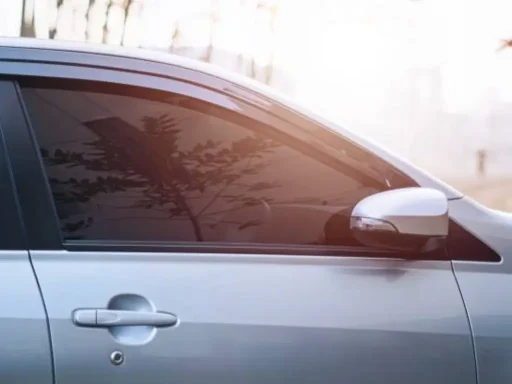
When you are sick of getting into a car that seems like a hot oven in summer, then you have likely begun considering car window tinting. Ceramic tint is considered the gold standard among the other alternatives available in the market. It boasts of superior heat rejection, unrivaled UV protection and extended durability. However, when you start calling local tint shops or browsing online, you quickly realize that pricing is all over the map.
One shop may offer you a quote of $300, and the other one on the street may charge you $800 on what appears to be the same service. This massive price gap leaves many car owners wondering: What is the true ceramic window tint cost, really? And more to the point, are you being ripped off or are you paying to get real quality?
We will be de-mystifying the window tinting business in this all-inclusive price guide. We will deconstruct the actual ceramic window tint cost, discuss the secretive elements that increase the cost of installation, compare it with the less expensive options, and assist you in deciding whether the high price tag is a valuable investment in your car.
What Is the Average Ceramic Tint Cost?
When budgeting for a window tinting job, the first thing you need is a baseline. Although prices vary widely depending on your geographic location and the brand of film you are using, the size and type of your vehicle are the most direct predictors of price. Larger vehicles require more raw material and labor hours to complete.
The following is a breakdown of the national average prices of a full ceramic window tint installation (usually on all the side windows and the rear window, but not the front windshield).
| Vehicle Type | Average Ceramic Tint Price Range | Typical Installation Time |
| Coupes & Sedans (e.g., Honda Civic, BMW 3 Series) | $350 – $600 | 2 – 3 Hours |
| Mid-Size SUVs & Crossovers (e.g., Toyota RAV4, Ford Explorer) | $450 – $750 | 3 – 4 Hours |
| Large Trucks & Full-Size SUVs (e.g., Ford F-150, Chevy Tahoe) | $500 – $850+ | 3.5 – 5 Hours |
Note: These figures represent high-quality nano-ceramic films. If you are quoted under $200 for a “full car ceramic tint,” proceed with extreme caution, as it is highly likely you are being sold a standard dyed film masquerading as ceramic.
Key Factors Impacting Your Window Tint Price
You may question yourself why the range is so broad looking at the table above. Why does one sedan cost $350 while another costs $600? The overall cost you pay at the register is dictated by a combination of material costs, vehicle complexity, and regional economics. Here is exactly why you might pay $300 while someone else pays $800.
- Vehicle Size, Window Quantity, and Glass Curvature
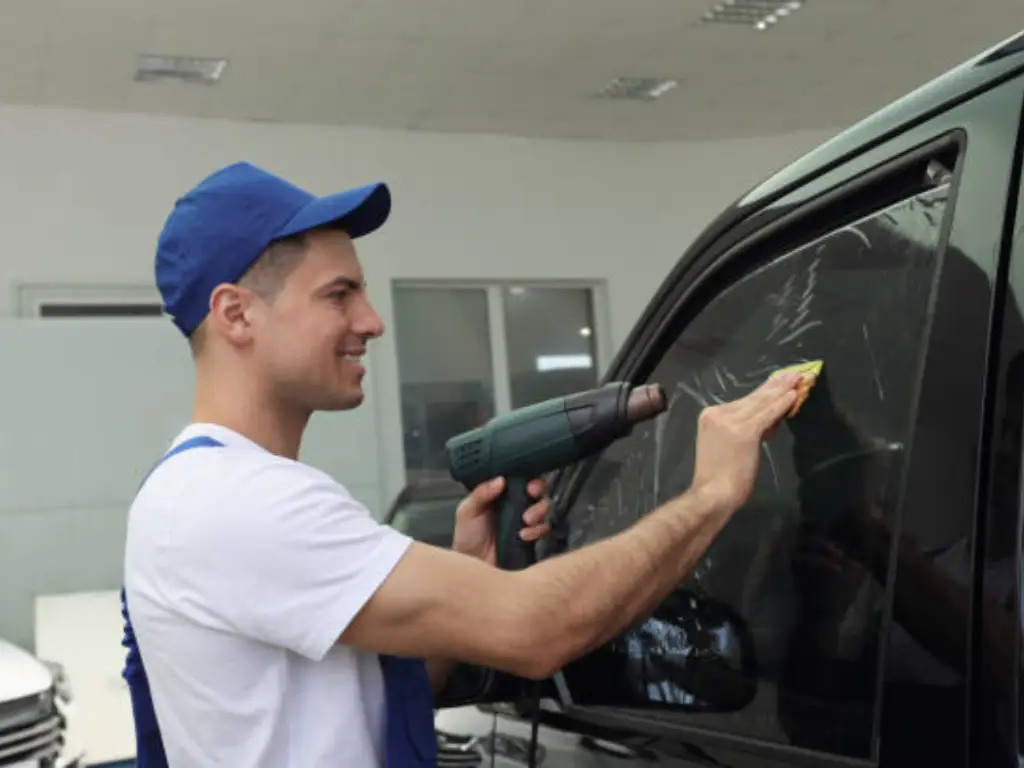
It is not just about the total square footage of the glass; it is about the complexity of the installation. A standard flat window is easy to tint. However, vehicles with severely curved glass require the installer to carefully heat-shrink the film to match the convex shape without creasing it. One of the best examples is the Tesla Model 3. It has a huge, sweeping rear windshield that stretches past the heads of the rear passengers. This is tinted using a huge, single sheet of ceramic film and very specialized skills. Stores will charge a $200 to $300 markup simply to install vehicles with glass reputed to be hard to install.
- Tint Coverage Area (Windshield and Sunroof)
When a shop quotes you for a “full car,” they usually mean the four side windows and the rear glass. Adding a clear or lightly tinted ceramic film to your front windshield can easily add $150 to $300 to your total bill. The windshield is large, difficult to access from the inside, and requires precision around electronics and sensors. Similarly, tinting panoramic sunroofs to stop overhead heat from baking your interior will incur additional charges.
- Labor Costs and Shop Location
Tinting windows is a craft that is labor intensive. The cost of the raw film is a mere fraction of what you are paying; you are paying mostly the experience of the installer. A shop with a high rating in a big metropolitan place with a high commercial rent (such as Los Angeles or New York) will automatically be priced higher than a shop in a rural suburb. Furthermore, a shop that employs veteran, certified installers in a dust-free, climate-controlled environment will charge a premium over a pop-up tent operating in a parking lot.
Ceramic Tint vs. Regular Tint: Price Comparison
To truly understand the ceramic window tint cost, you have to compare it to the traditional alternative: standard dyed window tint.
Regular Dyed Tint ($100 – $250 Average Cost): Dyed tint is essentially exactly what it sounds like—a layer of polyester film treated with dye to make it dark. It provides privacy and reduces some glare, but it does a terrible job at blocking heat. Instead of reflecting solar energy, dyed tint absorbs it. The dye is eventually broken down by the heat. In a period of one to three years, the low-quality dyed tint will change to an ugly purple color, start to bubble, and peel off the glass.
Nano-Ceramic Tint ($350 – $800+ Average Cost):
Ceramic tint does not have any dyes or metals. Rather, it is produced with microscopic nano-ceramic particles incorporated in the film. These particles are very efficient in filtering the sun radiation. It will not dissipate, it will not become purple and it will not bubble in the heat.
The Long-Term Financial Reality:
Although regular tint is admittedly cheaper in the first day, it is a trap. When your dyed tint is bound to bubble and turn purple after two rough summers, you will be forced to pay a store to take it off (which costs money) and install new tint (which costs money again). In five years, it is much cheaper to pay $500 once to have a high-quality ceramic tint than to pay $150 to have cheap tint, and a removal fee of $100, and another $150 to have the tint re-done. Buy cheap, buy twice.
Is the Higher Ceramic Tint Cost Worth It?
If you plan on keeping your vehicle for more than a year, the answer is an absolute yes. The premium price of ceramic tint is entirely justified by the science behind the material and the tangible, daily benefits it brings to your driving experience.
Exceptional Heat Rejection (IRR)
The particular wavelength of the solar energy that makes you feel hot is called infrared rays (IR). Whereas cheap tint is only able to block visible light, high-end nano-ceramic tint is capable of blocking an incredible amount of infrared heat. This is to say that, although you may opt to use a very light and almost transparent ceramic film, it will still keep your car much cooler than a black dyed film. A cooler cabin means your air conditioning doesn’t have to work as hard, which can improve your fuel efficiency and extend the range of electric vehicles.
Maximum UV Protection
Dangerous Ultraviolet (UV) rays not only lead to skin cancer but also make your vehicle’s interior age very fast. Ceramic window films always filter out more than 99% of the harmful UV rays. This serves as a permanent SPF 1000 sunscreen on you and your passengers, and at the same time, it will not allow your costly leather seats to crack or your dashboard to fade.
Zero Signal Interference
Prior to the advent of ceramic technology, the heat rejection was done using “metallized” tint. The metallic particles, however, interfered with radio frequencies. Nano-ceramic film is non-conductive and non-metallic. You will have zero dropped cell phone calls, your GPS will be absolutely accurate and your toll-booth transponders will be flawless through the glass.
Understanding Window Tint Laws and VLT Limits
One of the most crucial elements of tint pricing that many drivers overlook is the law. Window tint darkness is measured by VLT (Visible Light Transmission). A VLT of 5% (often called “limo tint”) means only 5% of outside light is allowed into the vehicle, making it extremely dark. A VLT of 70% is nearly transparent.
There are strict, specific laws in every state and country on the extent to which you can tint your windows. Rear passenger windows and rear windshields may often be quite dark, but the front driver and passenger side windows have rigid minimum VLT requirements (e.g. must admit at least 35% or 50% of light). Front windshields are usually illegal to tint below the AS1 line at the top, unless you use a completely clear film (like a 70% or 80% VLT ceramic).
The Hidden Cost of Illegal Tint:
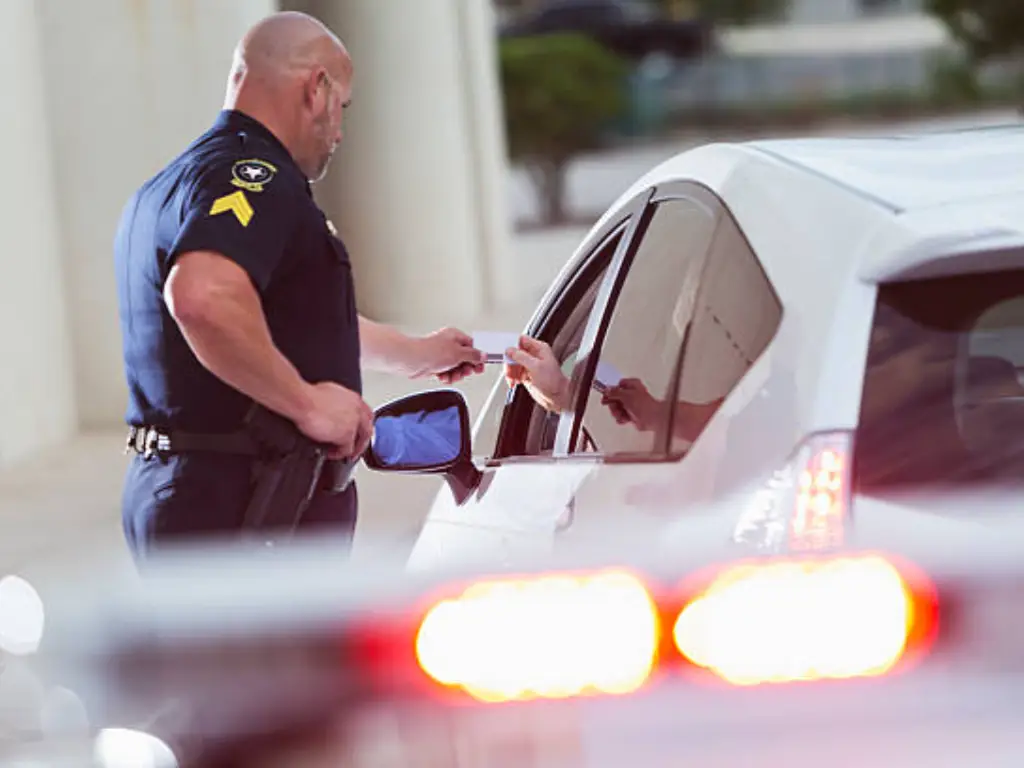
We must explicitly warn readers: Do not blindly chase the darkest film possible (like a 5% VLT) for your front windows. If you violate local legal requirements, you are setting yourself up for a massive financial headache.
First, you will be pulled over and hit with a hefty traffic citation. Second, the police will issue a “fix-it” ticket, legally mandating you to remove the illegal tint. Then you will need to go to a tint shop and pay a $100 to $200 “Removal Fee” to have the dark film scraped off. Lastly, you will be forced to pay full price once again to install legal film. The largest hidden cost in the window tinting industry is the disregard of VLT limits. Always consult your local shop to ensure your ceramic tint keeps you both cool and strictly within the confines of the law.
Choosing the Right Ceramic Tint Brand
After making the decision to invest in ceramic window film, the second challenge is to select the appropriate brand. There are large legacy brands that are flooding the market, yet you usually pay a huge “brand tax” – to support their huge marketing budgets instead of paying to get better technology.
FlexiPPF is the ultimate solution if you want the highest performance at a price that is not overcharged by the legacy price tag. Being a world leader and committed producer of automotive films, FlexiPPF designers create window tints that compete and sometimes surpass the specifications of the most costly brands available.
Why FlexiPPF Offers Unmatched Value:
FlexiPPF as a direct source manufacturer is supported by a highly qualified R&D team and modern German Brückner polyester film production lines. Their dedication to high-end production makes them produce a window film that provides uncompromising performance:
- Premium Raw Materials: FlexiPPF uses the best quality of BASF Polyester Base in Germany, which has an optical clarity and high tensile strength, and Ashland adhesive in the USA to make it stable over time without bubbles or peeling.
- Industry-Leading UV and Heat Defense: The advanced nano-ceramic coating blocks over 99% of harmful UV rays (UV400) and reduces solar heat gain by up to 65%. It also slashes dangerous driving glare by up to 55%, ensuring you stay cool, safe, and comfortable.
- Total Peace of Mind: Due to their strict quality control of ISO-standard, FlexiPPF provides their films with a 10-year warranty, which is the best in the industry. They guarantee the longevity, anti-yellowing, and color-stable qualities of their product over ten years.
For installation shops and distributors, partnering with FlexiPPF is a game-changer. They offer a staggering 100+ types of automotive and architectural films, highly flexible MOQs (whether you need 1 roll or 100), and rapid customized services with design proofs ready within 24 hours. FlexiPPF saves a lot of time in installing and wastes are minimized by using accurate 3D scanning of pre-cut films. FlexiPPF will provide crystal-clear quality and ultimate protection whether you are a driver who wants the best of the best in your vehicle or a business that requires a reliable and high-performance supplier with 24/7 technical support.
Hidden Fees to Avoid at the Tint Shop
When you eventually settle on your window film and make a reservation, you would like to know that the price you were quoted is the price you will pay. Unscrupulous stores or misconceptions may cause you to be unpleasantly surprised by your bill. Watch out for these common hidden fees:
The Old Tint Removal Fee
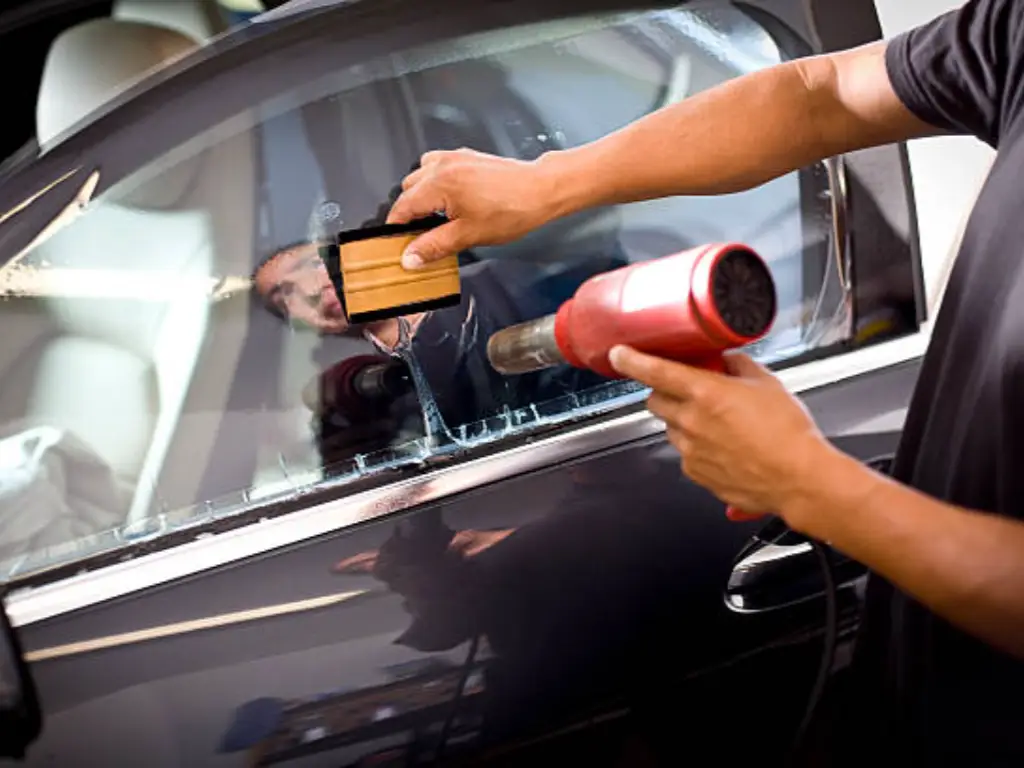
In case your car has old, bubbling or purple color on the windows, then it should be totally removed before applying the new ceramic film. The process of removing old tint is messy and time consuming and involves steaming the glass and scraping away the remaining adhesive using razor blades carefully to avoid scraping away the rear defroster lines. This service will be charged nearly always at an additional cost of $50 to $200 by shops. Be sure to mention your old tint when asking for a quote.
The Windshield Upcharge
As stated above, the front windshield is seldom quoted in “Full Car” quotes. Since the windshield is the most heat absorbing, most drivers desire it to be tinted using a clear ceramic film. Ensure you explicitly ask, “Does this price include the full front windshield?”
The Carbon Fake-Out
This is a deceptive practice rather than a fee. Carbon tint is a mid-tier film. It is better than dyed tint, but it does not have the high infrared rejection capabilities of true Nano-Ceramic. Some shady shops will sell you “Carbon-Ceramic” or just pass off standard Carbon film at a premium Ceramic price. Always ask to see the spec sheet of the film they are applying, or ask them to demonstrate the film’s heat rejection using a BTU meter or heat lamp in the showroom.
Frequently Asked Questions About Tint Pricing
When researching how much does ceramic tint cost, you might still have a few specific questions before booking an appointment. Making an informed decision means understanding all the variables that affect your final bill. Here are the answers to the most common queries:
Does the darkness of the tint (VLT percentage) affect the price?
No. The cost of the material is not altered by the darkness of the film in nearly all cases. A 5% VLT nano-ceramic film is the same price to produce and install as a 70% VLT film of the same product line. You are paying for the technology (the ceramic particles), not the shade.
Should I pay for ceramic tint on a leased vehicle?
This is a common dilemma. When you have a short 24-month lease, you may be inclined to use a cheaper carbon or dyed film because you will not have the car long enough to notice it fading. But in a hot climate such as Texas, Arizona, or Florida, the comfort and AC efficiency you will gain on a daily basis with ceramic tint compared to the two years is usually well justified by the investment of $500, even though you will eventually hand over the keys.
How long does a ceramic tint installation take?
For a standard sedan, expect the job to take roughly 2 to 3 hours. If you are having old tint removed first, add another 1 to 2 hours to that estimate. High installation quality requires patience, careful cleaning of the glass, and precision heat-shrinking. Do not rush your installer; a rushed job leads to dust contamination and peeling edges.
Can I roll my windows down immediately after paying?
Absolutely not. Even the best adhesives such as the Ashland glue in the high quality films take time to dry. You will have to leave your windows rolled up 3 to 5 days after the installation depending on the weather and humidity. Premature rolling may snatch the edge of the film on the weather stripping, and entirely destroy your costly new tint.
 English
  Spanish
  Dutch
Dutch  Japanese
  Russian
  Arabic