
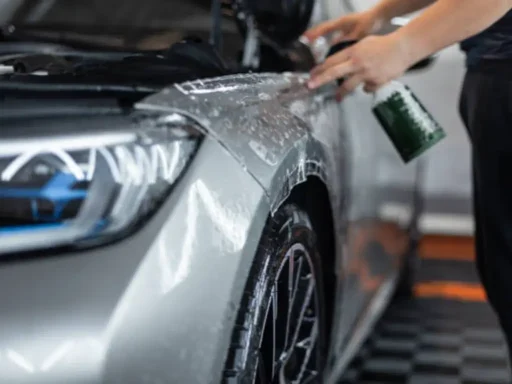
In 2026, the car industry is at the intersection of conventional beauty and material science. To any owner of a new car, the issue of protecting the appearance of the car is no longer a matter of debate but a requirement. The contemporary owner is demanding the most effective paint protection to survive an environment that is becoming more and more hostile and prefers the long-term protection of assets rather than the short-term cosmetic solutions.
As a manufacturer of high-performance films, I have witnessed the evolution of surface protection firsthand. Marketing jargon and conflicting suggestions of the detailing shops tend to obscure the search of the correct paint protection. But when you take off the hype and look at the manufacturing data, the decision becomes obvious. This is a guide that will give a manufacturer a glimpse of what the 2026 world will be like and your investment is guaranteed and your vehicle will still have that new car shine in the long run.
Mapping the 2026 Paint Protection Landscape
New car paint protection is more stratified than ever before in the market in 2026. In order to make a wise choice on whether to have your car painted or not, it is important to know that not all paint protection is created equal. We divide the existing offerings into four different levels with each serving a particular purpose and providing a different degree of protection and tier of durability.
Level 1: Traditional Waxes (The Baseline)
Organic carnauba waxes have been dominating the automobile car care scene over decades. In 2026, they remain the baseline. They provide a deep, warm light and a temporary glossy finish to your car which improves your finish, but does not provide a deep layer of protection. Paste or modern spray wax, either way, the product is merely applied on the clear coat and does not form a permanent bond. This exposes it to heat resistance problems and severe detergents. To the amateurs who enjoy the ritual of a weekly car care regimen, car wax can be used, but as a long-lasting protective coating, it has become obsolete to a large extent.
Level 2: Synthetic Sealants (The Intermediate Step)
The paint sealant was the first major invention in chemical protection. They are composed of cross-linked polymers bonded to the paint, and are therefore more resilient than wax. An expensive spray finish or a good quality sealant may take three to six months. But though they enhance the looks of the car, they are not structurally firm to endure all the hazards of the environment like acids or physical forces like rock chips.
Level 3: Ceramic Coatings (The Chemical Shield)
One of the major breakthroughs is a protective coating using a ceramic technology. Silicon Dioxide ($SiO 2 ) is used to chemically bond these liquid polymers to the new car paint. They create a coating that is highly hydrophobic in nature and keeps the water away and the environment pollutants like bird droppings and tree sap do not etch the finish of the car. The standard of chemical resistance and defense has been ceramic finishes by 2026, but they have a deadly flaw: the coating is only a few microns thick and cannot endure physical damage.
Level 4: Paint Protection Film (The Ultimate Physical Armor)
Paint Protection Film (PPF) sits at the top of the 2026 landscape. Contrary to a thin spray coating, PPF is a high-performance thermoplastic urethane (TPU) that acts as a material, sacrificial obstruction to the world. Whereas coatings are quantified in microns, PPF is quantified in mils (usually 6 to 10 mils), providing the structural mass to absorb the energy of road salt and road debris and prevent permanent damage to the paint job.
Matching Protection Strategies to Your Driving Habits
The most appropriate layer of protection, like a quality car cover, is not a universal constant but a variable that depends on how you use the surface of your car. As a manufacturer, we study thousands of use cases to assist clients in choosing the most cost-effective strategy for their particular lifestyle.
The High-Speed Commuter
When you drive on highways at high speeds every day, your car’s paint is a constant target for high-speed projectiles. A ceramic protective coating is not sufficient here; the kinetic energy of a pebble hitting your hood can easily penetrate a chemical bond. In this group, a professional installation of full-front PPF is a prerequisite for ensuring the right paint protection. It is the sole means of averting the “peppered” appearance caused by rock chips that kills the front-end look of a car over time.
The Urban Daily Driver
For cars that spend the majority of their time in traffic jams or urban parking lots, the main hazards are chemical: acid rain, industrial fallout, and UV damage from sun exposure. A high-quality ceramic protective layer or a partial PPF installation may be a good idea in this case. Here, the emphasis is on regular maintenance and the retention of a glossy finish over time as opposed to pure impact resistance.
The Collector and Enthusiast
We suggest hybrid solutions for high-value assets or “forever cars.” This involves coating high-impact parts with PPF and then treating the entire car’s surface with the best paint protection ceramic layer. This combination provides the impact resistance of a durable barrier with the extreme hydrophobicity of a coating. This is regarded as the gold standard in automotive preservation in 2026, offering total peace of mind.
| Feature | Traditional Wax | Ceramic Coating | Standard PPF | Flexippf Pro Series |
| Primary Protection | Aesthetic Gloss | Chemical/UV Shield | Physical/Impact | Dual: Impact + Chemical |
| Impact Resistance | None | Minimal | High | Superior (Medical TPU) |
| Hydrophobicity | Low | Excellent | Moderate | Excellent (Integrated) |
| Longevity | 1-2 Months | 2-5 Years | 5-7 Years | 10+ Years (Warranty) |
| Maintenance | High (Frequent) | Low | Moderate | Ultra-Low (Self-Cleaning) |
| Best For | Show Cars | City Drivers | High-Speed Commuters | All-Scenario Investment |
Why Physical Barriers Outperform Chemical Coatings in 2026
The widely held myth is that a car is scratch proof just because it has a ceramic protective coating. This cannot be done in manufacturing physics. We must look into energy dissipation to know why a physical protective barrier (PPF) will be better in 2026 road conditions.
Ceramic coating is basically a hard and glass like protective coating. When a stone hits the surface of your car, the energy is directed through the thin microns directly to the paint job and a chip is likely to happen. Although the coating could be resistant to small scratches of a microfiber cloth, it is not resistant to the impact.
On the other hand, modern PPF is made viscoelastic. This means that the film can stretch and deform when impacted and absorb the kinetic energy before it can reach the paint of the car. Furthermore, the luxurious movies have self-healing features that can remove swirls and small scratches with just a little sunshine or heat. The only logical solution to perfect paint in a situation where the road construction and climatic volatility are increasing is a physical permanent barrier.
The Flexippf Advantage: Engineering Quality at the Source
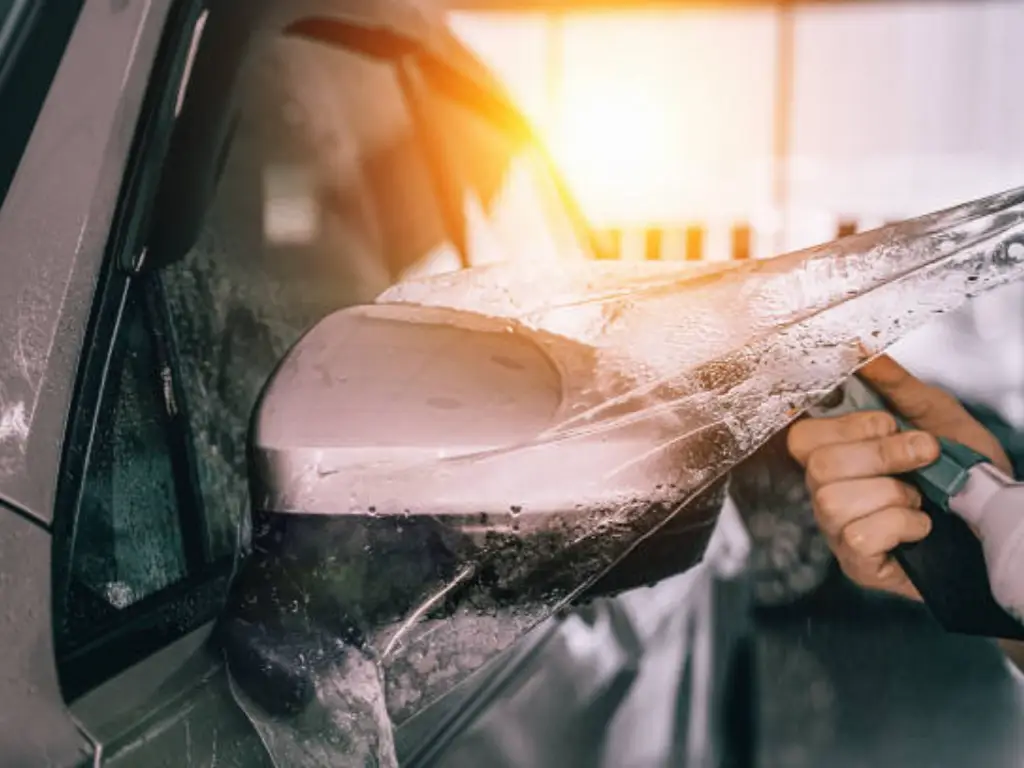
We do not just sell film at Flexippf, we design it. We are a direct manufacturer, which means that we can regulate the variables that are outsourced by the majority of brands. We are based on a 60,000m² state of the art facility and have invested in the latest production technology in the world, with 13 Leybold production lines of Germany and German magnetron sputtering equipment.
Medical-Grade TPU Baselines
Any PPF has its base material as its soul. Most of the competitors have been using industrial grade plastics to save on cost, but Flexippf uses the best grade of TPU which is of medical grade. This substance is selected due to its high level of clarity and molecular stability. This is the reason why our films can withstand 80 C temperatures and are flexible in freezing temperatures without cracking or becoming brittle.
Integrated Nano-Coating Technology
Our Proprietary Integrated Coating is a major innovation for 2026. In contrast to conventional films where the top coat is an afterthought, Flexippf incorporates a nano-self-healing protective layer during the extrusion application process. This prevents “delamination” and guarantees that our films provide uv protection that blocks 98% of harmful rays, keeping the paint job in top condition for the long haul.
Unparalleled Testing and Capacity
Our plant has 4 extrusion lines and 8 coating machines that have been imported in South Korea and this has allowed us to manufacture more than 100 types of automotive and architectural films. We do not speculate on durability, we demonstrate it. Our movies undergo 5000 hours of uninterrupted UV radiation testing making them remain vivid and clear within more than 10 years. By selecting Flexippf, you are selecting a product that has a 10-year manufacturer warranty and a technical support team that works 7×24 to help you with your installation.
The Hidden Costs of Cheap Paint Protection Options
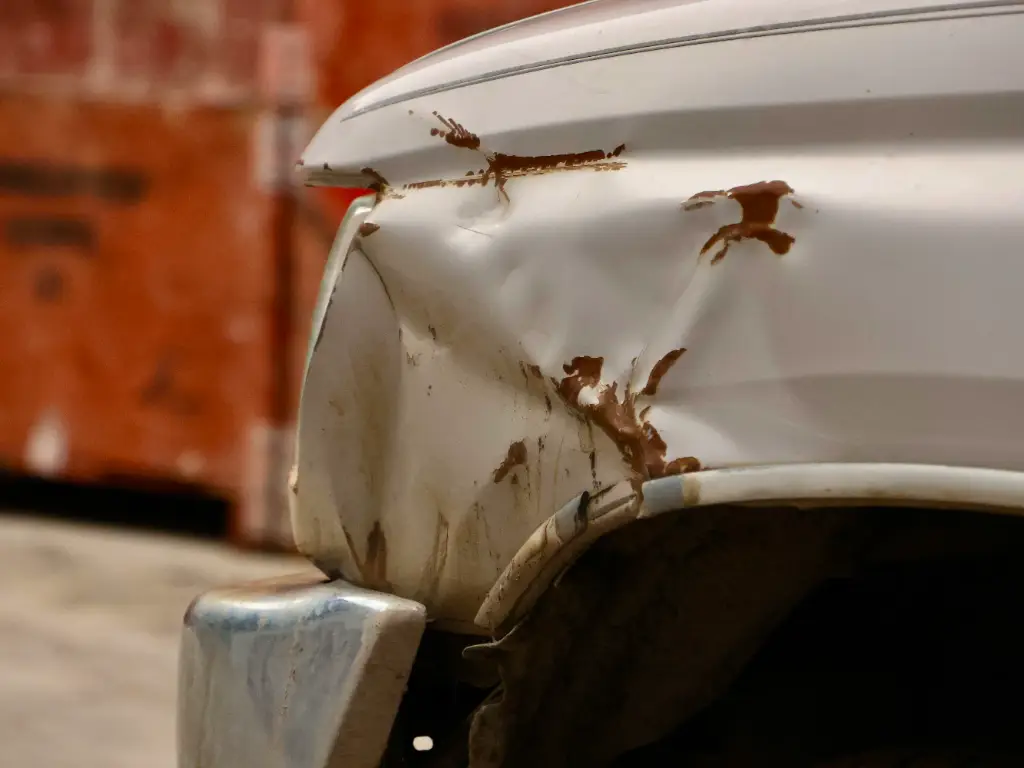
The market is now inundated with cheap no-name PPF and coats. I have to tell you as a manufacturer, cheap protection is frequently worse than none. This is the automotive world False Economy.
The Yellowing Trap
PVC or low grade aliphatic TPU is commonly used in cheap films. These films are chemically broken down in 12 to 18 months of UV exposure, a process called yellowing. This does not only appear awful on white or silver cars but also means that the film is brittle.
Adhesive Migration
This is the most disastrous failure. Poor adhesives may find their way into the clear coat of your car. When you finally attempt to remove the film the glue might have bonded so well that it takes away the factory paint along with it.
The Real Math
Take into account the Total Cost of Ownership (TCO). A good Flexippf installation will be more expensive initially, but it will last 10 or more years. A low-cost movie that does not work in 2 years needs to be removed (labor cost), repaired (labor cost) and installed again (material + labor). In the third year, the low-cost alternative has already doubled the price of a high-quality manufacturer-direct product.
Future Trends: The Rise of Graphene-Infused Protection
The next step in chemical defense is Graphene as we peep into 2026. Whereas $SiO 2 has been dominating the market over the years, Graphene, which is a single layer of carbon atoms in a hexagonal structure, is transforming the game.
In Flexippf, our research and development team is incorporating the graphene technology in our latest model of ceramic coating and film top-coats. Graphene has a number of benefits compared to conventional ceramic:
- Reduced Thermal Conductivity: It lowers the surface temperature of the car which greatly reduces the risk of water spotting (a frequent problem with traditional ceramic finishes).
- Increased Chemical Protection: It offers greater protection against the growing acidic environment of the modern rain and environmental pollution.
- Improved Slickness: The minimized surface friction renders it even more difficult to have dirt and grime sticky, and this makes the maintenance process even easier.
As a manufacturer, we can introduce these innovations in the market every quarter, so our clients will always have the Next Generation of protection.
Total Cost of Ownership: Protecting Your Car’s Resale Value
We must stop viewing paint protection as an expense and start viewing it as Equity Preservation. In the 2026 resale market, buyers want a vehicle in top condition. A car with “Factory Original Paint” and flawless paint commands a significant premium.
The Data of Resale
Internal studies reveal that luxury cars with documented, high-quality PPF retain 15-20% more trade-in value than those with visible rock chips and swirl marks. For a $60,000 vehicle, that is a $9,000 to $12,000 difference. High-quality UV protection and a durable barrier are not just for aesthetics; they are financial safeguards that offer peace of mind.
The insurance is self-rewarding. When you put a 10-year warranted film on the car, you are actually freezing the state of the car in time. When the time to sell comes, you can take off the film and see paint that was just like it was the day it came out of the showroom. This is the final value that we are offering to our customers as the Lasting Value.
Expert Maintenance Tips for a Permanent Showroom Finish
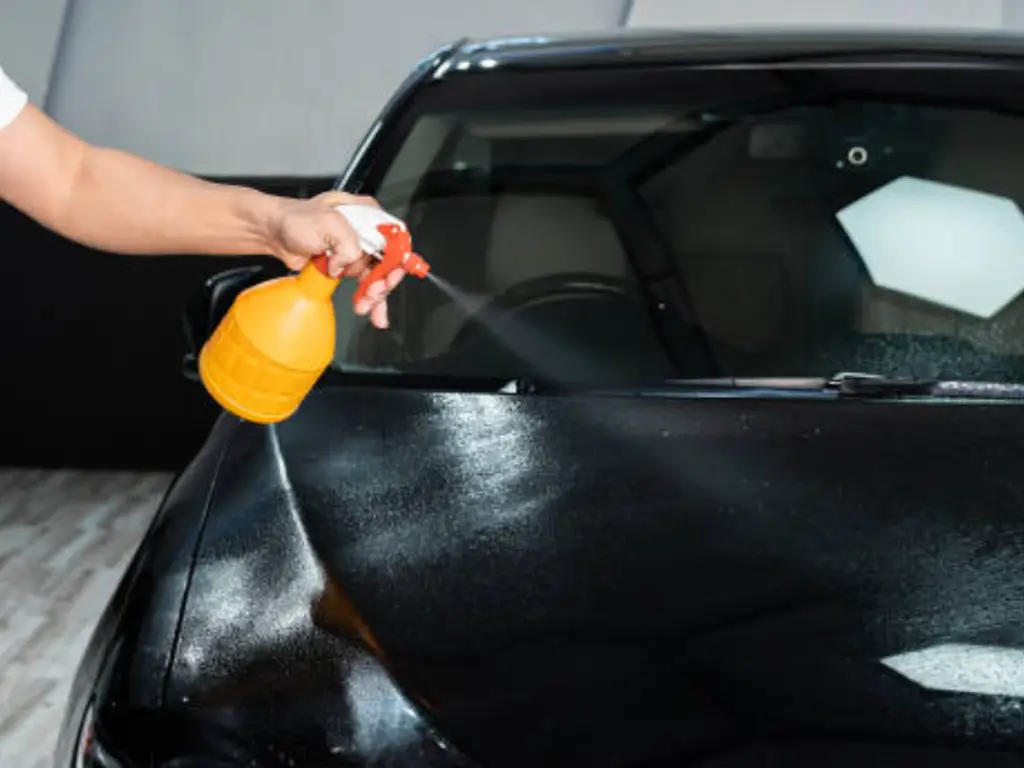
Even the most effective protection in the world needs appropriate care. To make the most out of your Flexippf or ceramic coating and have it last the entire 10-year warranty, these are the manufacturer-approved instructions:
The Two-Bucket Wash Method
Do not go to an automatic brush car wash. They are “swirl-mark machines.” Rather, rinse your wash mitt with two buckets one containing a pH-neutral car soap and the other containing plain water. This will avoid rubbing of dirt back into the surface.
Avoid Cross-Contamination
Apply specific microfiber towels on various car sections. Always remember to use a different towel on your wheels as the one you used on your paint. The tiniest dust particles of braking can form micro-marring on your film or coating.
Periodic Decontamination
Apply a special Ceramic Booster after every 6 to 12 months or light chemical decontamination spray. This aids in clearing the clogging of the pores of the coating or film, which returns the high-surface-energy (hydrophobicity) that causes water to bead-off so easily.
Temperature Awareness
Although Flexippf is rated to resist up to 80 o C, it is best to avoid leaving it in direct and intense sunlight weeks at a time, where possible. Always be sure that the surface is cool when washing. Cold water applied to a hot, sun-baked film may result in thermal shock which has an impact on the adhesive life span in several years.
Conclusion: The Manufacturer’s Verdict
By 2026, the optimal car paint protection will not be a product, but a plan. It is the union of high TPU physical barriers and nano-coatings.
We think that the final service at Flexippf is transparency. With our own factory under control and the German and Korean engineering, we are able to offer a product that does not just look good on a spec sheet, but one that works in the real world. Our 24/7 support and 10-year warranty is a statement of confidence whether you are in need of a small-scale custom design or a full-scale fleet solution.
Securing your car is a great choice. You should not be satisfied with marketing hype, you want the quality that is provided by the source. Your automobile is not to be denied the final protection.
Are you ready to secure your vehicle’s future? Contact the Flexippf technical team today for a climate-specific recommendation tailored to your geography and driving habits.
 English
  Spanish
  Dutch
Dutch  Japanese
  Russian
  Arabic