
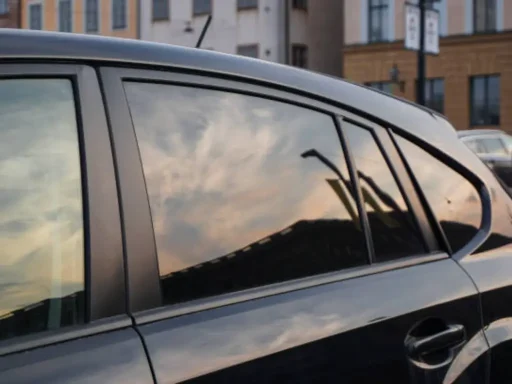
You have experienced the utter fear of opening the door to your car when you have parked in an open parking lot during the hottest summer. You can feel the blast of hot air on your face, the steering wheel is too hot to touch, and the leather seats are like a frying pan. Most drivers resort to car window tinting in an attempt to overcome the excessive heat in summer. However, there is always a question that comes to mind: “Do tinted windows keep car cooler?” And is window film merely a cosmetic enhancement, or is there any science behind the cooling claims?
The automotive aftermarket is full of myths, marketing jargon, and misconceptions about the actual workings of solar control films. Many car owners simply guess which product to buy without understanding the core physics. This comprehensive guide will break down the exact science of solar energy, bust the most common myths regarding dark windows, provide real-world temperature data, and show you how to maximize your return on investment when upgrading your vehicle’s glass so that you can make an informed decision.
The Short Answer: Do Tinted Windows Keep Car Cooler?
Yes, absolutely. To directly address the burning question—do tinted windows keep car cooler?—the answer is yes. The best window tints, namely those made with the use of the latest nano-ceramic technology, are scientifically tested to lower the temperature of your car’s interior by a significant margin. By actively rejecting solar thermal energy before it has a chance to enter the cabin, premium window films can lower interior surface temperatures drastically, transforming your vehicle from a suffocating greenhouse into a cooler car environment, regardless of how intense the sun is outside.
How Window Tint Blocks Solar Heat and UV Rays
In order to really see the effect of this thin film in keeping your car cooler, we need to examine the physics of sunlight. The light emitted by the sun is not a single element, but a complex electromagnetic spectrum of three main bands of energy that have different effects on your vehicle:
- Visible Light (Around 43% of solar energy): This is the part of the spectrum that our eyes can actually see. It gives light but also brings about blinding glare during driving. Controlling the amount of sunlight that enters the cabin reduces severe eye strain and significantly improves your overall driving experience, especially during dawn and dusk.
- Infrared Radiation or IR (Around 54% of solar energy): You cannot see infrared rays, but you can certainly feel them. It is the range that causes the scorching heat that penetrates your skin when you stand in the direct sunlight.
- Ultraviolet Rays or UV (Around 3% of solar energy): These are the invisible rays that do not cause heat, yet are very destructive. They lead to sunburns, are the main cause of skin cancer and the main reason why the dashboard of your car cracks and your leather seats become darker as time goes by.
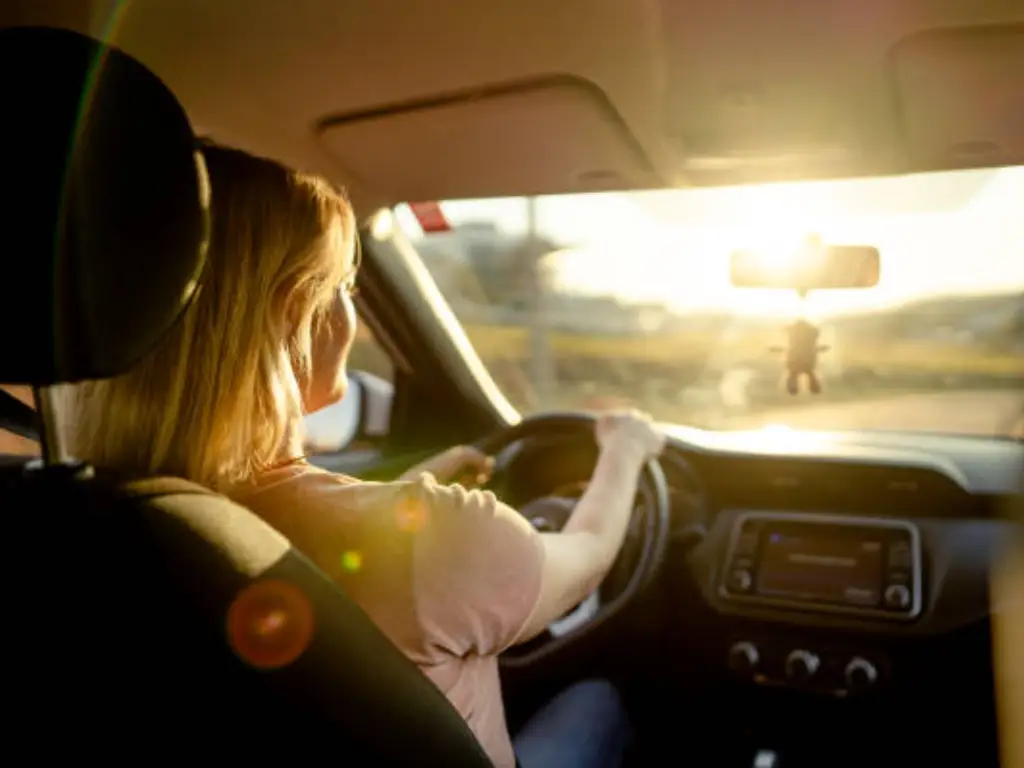
The untreated factory automotive glass is nothing but a solar energy magnifying glass. The short-wave radiation goes through the bare windows when the sunlight strikes a parked car. When it gets inside it hits the seats, dashboard and carpets which absorb the energy and reflect it back as long-wave infrared heat. Due to the fact that glass does not permit the easy escape of long-wave heat, the heat is trapped. This is the so-called “greenhouse effect.”
When correctly installed, quality window tints interfere with this process in two primary ways: by reflection and absorption. High-tech films are designed using microscopic particles which serve as an invisible shield. The film reflects a massive amount of heat back into the atmosphere instead of allowing the infrared heat to go through the glass. The rest of the heat which is absorbed by the film itself is retained at the surface of the glass, the outermost surface of the car, and cooled down by the moving air outside, instead of it being allowed to enter deep into the cabin.
Ceramic vs. Dyed Tints: Why Darkness Doesn’t Equal Cooling
Perhaps the most persistent and dangerous myth in the automotive tinting world is the belief that “the darker the window, the cooler the car.” This is a basic misconception of the heat transfer process and is the primary reason why consumers end up spending money on the wrong type of window tint.
Let’s break down the different types of window tint to see why darkness does not equal heat rejection:
- Dyed Window Tint: This is the most affordable and the most prevalent film in the market. It is simply a coating of polyester that has dark dye on it. Although it appears dark on the outside and is effective in blocking visible light (glare reduction), it barely blocks infrared heat. The thermal energy of the sun goes through the dark dye. Even a limo with a 5% tint of dye will be an oven in itself.
- Metallic Window Tint: To solve the heat problem, manufacturers started adding tiny metallic particles to the film. These metals are very good in reflecting UV and infrared rays. They, however, have a huge downside: the metallic layer acts as a Faraday cage, disrupting GPS signals, cell phone signals, tire pressure monitoring systems (TPMS), and toll pass transponders.
- Nano-Ceramic Window Tint: It is the best of the modern window film technology, offering excellent heat reduction without the drawbacks of older materials. These films are impregnated with non-conductive ceramic nanoparticles that are microscopic in size rather than using cheap dyes or signal-blocking metals. These are particles that are designed to target and block infrared radiation. Because they are not reliant on dark dyes to block heat, you can install a virtually clear ceramic film that rejects more heat than the darkest dyed film on the market.
When shopping for tint, the two scientific metrics you must look at are IRR (Infrared Rejection Rate) and TSER (Total Solar Energy Rejected). TSER is the final standard, being the sum of all the solar energy (combination of visible light, IR and UV) that is not allowed to enter the vehicle.
| Tint Technology | Heat Rejection (TSER) | Infrared Rejection (IRR) | Signal Interference | Durability & Fade Resistance | Primary Benefit |
| Standard Dyed | Low (10% – 25%) | Low (< 20%) | None | Poor (Turns purple over time) | Basic privacy & aesthetics |
| Metallic | Medium (35% – 50%) | Medium (40% – 60%) | High (Blocks GPS/Cell) | Good | Moderate heat reflection |
| Nano-Ceramic | High (50% – 65%+) | Very High (70% – 98%) | None | Excellent (Color stable) | Maximum heat & UV rejection |
The FlexiPPF Advantage: Premium Nano-Ceramic Technology
When you realize that advanced materials are the key to true thermal control, choosing the right manufacturer becomes critical. This is where FlexiPPF stands as an industry leader. Offering over 100 varieties of automotive and architectural films, FlexiPPF engineers premium solutions that go far beyond a basic sleek appearance and aesthetic appeal.
The high-performance Nano-Ceramic window films of FlexiPPF are constructed on the basis of the best materials in the world. We use a very tough BASF Polyester Base of Germany with great tensile strength and optical clarity and Ashland Adhesive of USA with great bonding strength and long life with low VOC emissions.
Sourced from premium global suppliers, our advanced nano-ceramic coating blocks over 99% of harmful UV rays (UV400) and rejects over 70% of infrared heat, achieving an impressive total solar heat reduction of up to 65%. Since our ceramic technology is totally metal free, you have no interference with your mobile, GPS or toll signals. Moreover, our films are carefully produced in a huge 60,000m² plant with 13 Leybold production lines and high-end German magnetron sputtering machinery, which guarantees strict ISO and GB quality standards. Whether you want the comfort of the cabin that no one can match, or you need the flexibility of MOQs, quick 48-hour custom designs and quick delivery, FlexiPPF provides absolute confidence, which is supported by a 10-year warranty, which is the best in the industry.
Real-World Temperature Tests: Tinted vs. Untinted Cars
Science and material specifications are impressive on paper, but how do they translate to a vehicle parked in a scorching summer parking lot? The thermal imaging tests have been done in large numbers by independent testing facilities and automotive experts to measure the precise difference premium window tint provides.
In a typical controlled test, two identical cars, one with a bare factory car window and the other with high-quality nano-ceramic tint, are parked next to each other in the direct sunlight on a day when the ambient outdoor temperature is 90°F (32°C).
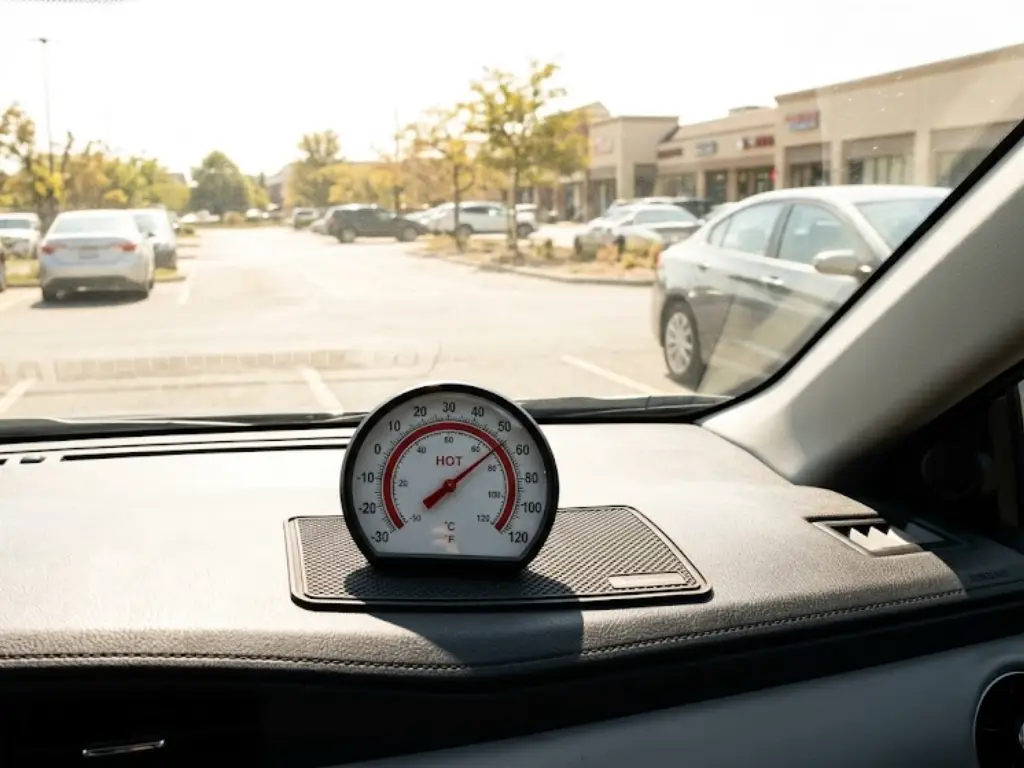
After just one hour of solar exposure, the results are staggering. In the untinted vehicle, the ambient air temperature inside the cabin easily reaches 115°F to 120°F (46°C – 49°C). More alarmingly, the surface temperatures of the interior components skyrocket. The dashboard, which sits directly beneath the magnifying glass of the front windshield, can reach a blistering 160°F to 180°F (71°C – 82°C). The steering wheel and leather seats often hit 140°F (60°C), making them physically painful to touch and capable of causing first-degree burns.
In the vehicle equipped with nano-ceramic tint, the narrative is completely different. The interior ambient air temperature remains significantly closer to the outside temperature, often hovering around 80°F to 85°F (26°C – 29°C). The surface temperature of the dashboard and steering wheel is drastically reduced, rarely exceeding 100°F (37°C). To reiterate the core point, do tinted windows keep the car cooler? Yes, this massive delta in surface temperature—often a difference of 60 degrees Fahrenheit or more—proves that tint doesn’t just make the car “feel” cooler; it physically prevents the cabin materials from absorbing thermal radiation.
Beyond Cooling: UV Protection and Interior Preservation Benefits
Even though the most immediate advantage is the drastic reduction in heat, the general benefits of window tinting extend far beyond simple thermal comfort. The invisible threat of the Ultraviolet (UV) radiation is a major threat to your health and the financial value of your vehicle.
From a health perspective, the sun emits both UVA and UVB rays. Though ordinary auto glass will prevent most UVB rays (those that cause sunburn), UVA rays, which penetrate deeper into the skin and are directly linked to premature aging and the risk of skin cancer, pass directly through factory side windows. The quality window films prevent over 99% of the UVA and UVB rays, which cause severe skin damage and essentially provide permanent sun protection of SPF 1000 to your car. The medical advantage of this is so great that the Skin Cancer Foundation is actively promoting the use of premium window tint as a preventative measure.
Financially, interior degradation is mainly caused by UV radiation. The chemical bonds in leather, vinyl, and plastics start to degrade when they are exposed to unremitting UV radiation and high heat cycling. This leads to the deterioration of upholstery, breaking of expensive leather seats, and bending or tearing of the dashboard. By spending money on high quality window tint, you are literally saving the aesthetic state of your interior, which in turn directly safeguards the resale and trade-in value of your car in the future, and it is a very valuable investment in the end. Moreover, dark privacy films on the back windows can be added to conceal your personal valuables to thieves.
The ROI of Window Tint: Fuel Savings and Comfort
Premium window tint is considered a luxury cost by many car owners, but once you consider the mechanics of your vehicle’s climate control system, you will realize that tint is in fact an effective solution that offers a tangible Return on Investment (ROI).
The engine (in gas-powered cars) or the main battery pack (in Electric Vehicles) drives your vehicle air conditioning compressor. When your car is a greenhouse, the air conditioning system must operate at full capacity over an extended duration to cool the cabin to a survivable temperature and it must operate hard to counter the unending stream of new solar heat. This huge power consumption burns additional gasoline and significantly lowers the fuel economy.
Because a high-TSER ceramic film blocks the heat from entering in the first place, your AC system doesn’t have to work nearly as hard. The cabin is cooled within a fraction of the time and the climate control can be adjusted to a low and energy saving fan setting. This is the same as savings that can be measured at the gas pump, due to the reduced dependence on the air conditioning compressor, and it is a significant improvement in your overall fuel economy over the life of the vehicle. The reduction of the enormous battery consumption of the AC compressor is directly proportional to the number of miles of driving range per charge to EV owners, in whom range anxiety is a real concern. When you factor in fuel savings, increased comfort, and interior preservation, a quality tint job pays for itself.
Navigating VLT Percentages and Window Tint Legal Limits
Understanding the science of heat rejection is only half the battle; the other half is understanding the law. Window tint darkness is measured by a metric called VLT, or Visible Light Transmission.
VLT is the percentage of the visible light that can pass through the film and the glass. The smaller the number, the darker the film. For example:
- 5% VLT: Often called “limo tint,” it allows only 5% of light through. It is exceptionally dark and offers maximum privacy.
- 20% VLT: A dark tint that usually matches the factory privacy glass found on the rear halves of most SUVs.
- 35% to 50% VLT: A medium-to-light tint that provides a sleek look while maintaining excellent outward visibility.
- 70% to 90% VLT: A virtually clear film, often used on front windshields to block UV and IR heat without altering the look of the glass.
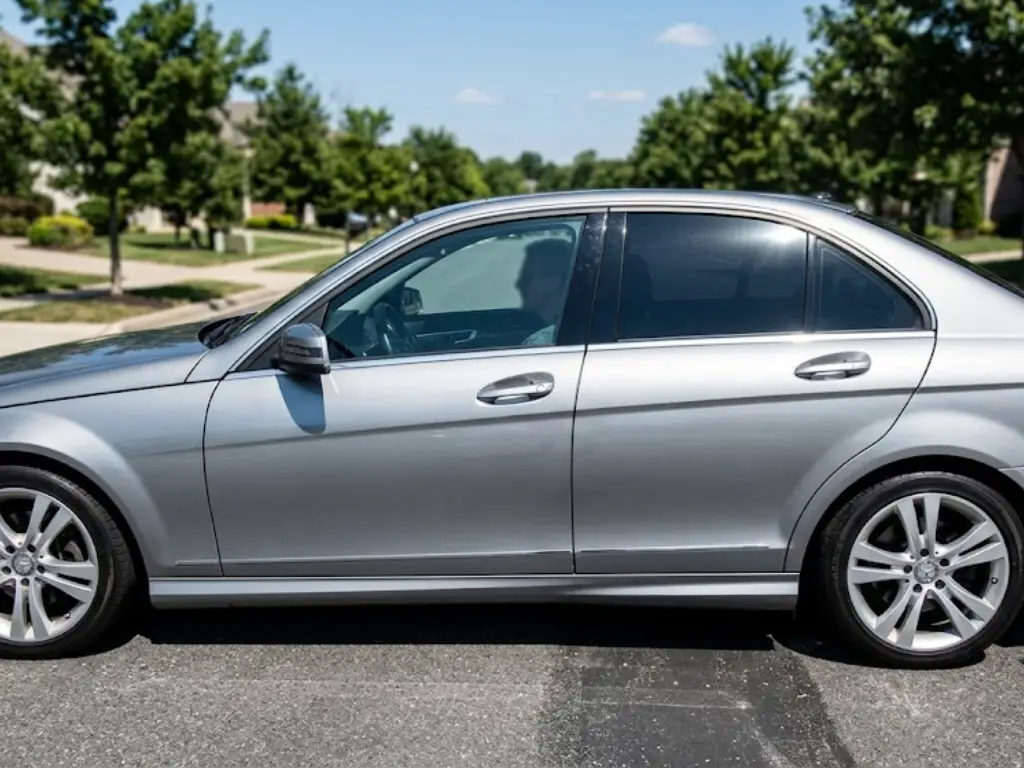
It is also worth mentioning that the laws of tinting vary radically between states, provinces, or countries, and it is strongly advised that you should consult your local laws before buying one. The darkest shade you can tint your front windows is strictly regulated by most states to allow the police officers to see inside the car and the drivers to have a good view at night. The front windshield is usually highly restricted, often only allowing a strip of tint at the very top, or requiring a near-clear (70%+ VLT) film for the whole glass.
Since the high-tech ceramic films do not depend on darkness to prevent heat, you no longer need to decide between being cool and being legal. You can install a 70% VLT ceramic film on your front windows that is both legally acceptable and very transparent and still achieve the enormous amount of heat reduction and have the best of both legal safety and night driving and ultimate thermal comfort.
Crucial Maintenance Tips to Make Your Window Tint Last
Once a good quality window film is purchased and a professional installer is hired, one should take good care of it to ensure that it performs flawlessly in years or even decades. The installation process needs water and a mounting solution and this means that the film needs time to stick well to the glass.
Here are the absolute ironclad rules for maintaining your newly tinted windows:
- Do Not Roll Down the Windows: This is the most critical rule. After installation, the adhesive requires a curing process to bond perfectly to the microscopic pores of the glass. This can be between 3 and 7 days depending on the climate and the humidity. Early rolling of the windows can cause the film to peel off, or become trapped on the weather stripping or even bubbles on the edges.
- Ignore the Water Bubbles: During the first few days, you may notice small water pockets or a hazy, cloudy appearance in the film. Do not touch or press on them. This is normal moisture in the process of installation and it will automatically evaporate through the slightly porous film as it dries in the sun.
- Ban Ammonia-Based Cleaners: When actually cleaning your windows, by no means should you use the regular household blue glass cleaners containing ammonia. The tint is damaged by ammonia, and the adhesive layer is destroyed, and bubbles and ultimately changes to a horrible shade of purple.
- Use the Right Tools: Only clean your tinted windows with products specifically labeled as “Tint Safe” or use a simple mixture of mild baby soap and distilled water. Clean the film using a clean and soft microfiber towel. Paper towels are made of wood pulp and they can even scratch the film microscopically in the long run.
By understanding the technology, choosing the right ceramic materials, and following basic maintenance protocols, your window tint will remain a permanent, high-performance upgrade that keeps your car cool, safe, and beautiful for the long haul.
 English
  Spanish
  Dutch
Dutch  Japanese
  Russian
  Arabic