
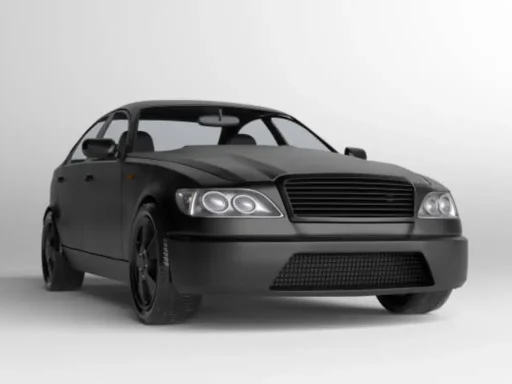
For car owners, car lovers and individuals with high net worth, the choice to change the exterior finish of a vehicle is no longer restricted to simple cosmetic changes. The automotive aftermarket has changed and Matte Paint Protection Film (PPF) has become the ultimate solution to protecting assets and changing appearance. Nevertheless, when customers start getting quotes to determine their matte ppf wrap cost, they are usually greeted with wildly different prices- between $2,000 and much more than $9,000.
This drastic variance creates friction and hesitation. Without a fundamental understanding of polyurethane chemistry, labor-intensive installation techniques, and shop overhead variables, these quotes appear arbitrary. The majority of generic online sources mix the cost of a typical clear PPF with matte PPF, and do not discuss the special, extremely intensive character of a matte conversion.
This is a detailed manual that removes the marketing lingo to give a strict, technical analysis of the actual matte ppf wrap cost. We are going to break down the material science of the best films, examine the latent variables of labor that are increasing the cost of installation bids, and present a Total Cost of Ownership (TCO) model to enable you to decide whether this high-priced investment is worth a valid payoff.
The Rise of Matte PPF: More Than Just Aesthetics
In the last ten years, there has been a clear change in the language of automotive design. Satin and matte paint jobs have been strongly marketed by high-end Original Equipment Manufacturers (OEMs) like Mercedes-Benz (their Magno paints), BMW (Frozen finishes) and Porsche as the ultimate expression of aggressive, non-obvious luxury. This has resulted in the high demand of non-gloss finishes.
However, consumers quickly discovered the catastrophic reality of owning factory matte paint. Traditional clear coats have microscopic peaks and valleys that can be leveled out via compounding and polishing to remove scratches. The appearance of factory matte paint is obtained by a specially designed, textured clear coating that scatters light. When you scratch a factory matte finish, you cannot polish it, it will smooth out, leaving a permanent, shiny bald spot. The only solution is to repaint the whole panel, which in most cases causes serious color-matching differences.
This logistical nightmare triggered the emergence of Matte PPF. The owners of vehicles discovered that they could buy a car with normal, very tough factory gloss paint and apply a matte polyurethane film on top of it. This is a two-fold advantage that is fueling the trends in the market today: it immediately turns a regular gloss finish into a custom, undercover matte finish and at the same time offers a strong, 8-mil thick physical shield against rock chips, stone chips, road debris and chemical etching. It is no longer just a trend of wanting to look unique, but a calculated move to obtain a highly desired aesthetic without having to inherit the harsh maintenance costs of OEM matte paint.
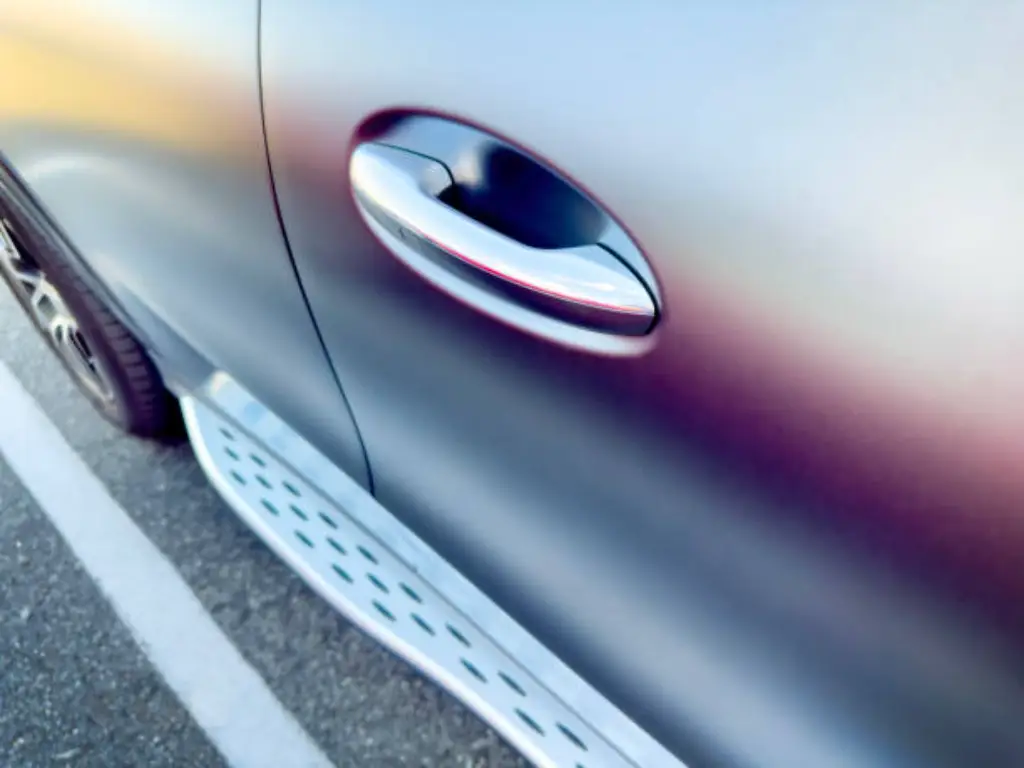
Breakdown of Average Matte PPF Wrap Costs by Tier
In order to set a realistic base of your investment and anticipate your final matte ppf wrap cost, it is important to know that PPF installation is not a one-size-fits-all service. The industry is based on a tiered coverage model, which enables consumers to balance their budget with their risk tolerance.
The standard market pricing is broken down below. It should be noted that these numbers are the national averages of premium-grade films; extreme geographical locations or hyper-exotic cars will increase these numbers.
| Coverage Tier | Estimated Cost Range (USD) | Components Covered | Ideal Consumer Profile |
| Partial Front (Track Pack) | $800 – $1,500 | Front bumper, forward 1/3 to 1/2 of the hood and fenders, side mirror caps. | Budget-conscious owners primarily seeking protection against high-impact frontal rock chips. (Note: Not recommended for matte film due to the jarring gloss/matte visual contrast on the hood.) |
| Full Front (Clear Bra) | $1,800 – $3,000 | Entire front bumper, full hood, full front fenders, side mirrors, and headlights. | Daily drivers looking to protect the most vulnerable impact zones without the expense of a full-body wrap. |
| Full Car Wrap | $5,000 – $9,000+ | Every exterior painted panel on the vehicle, from the front bumper to the rear diffuser. | Owners of luxury or exotic vehicles seeking total transformation (gloss to matte) and maximum long-term asset preservation. |
Looking at this table, the first thought that comes to mind is why a full car wrap is priced so heavily as compared to a full front installation. The solution is not just in the square feet of the raw material. This price growth is extremely skewed towards the complex, highly technical labor involved in working with polyurethane to manipulate the complex geometry of a complete vehicle chassis, which we will discuss in the next section.
Hidden Factors Driving Your Matte PPF Installation Quote
When one detailer quotes you $8,000 and another down the street quotes you $5,500, the difference is hardly due to one of the shops arbitrarily gouging you. The greatest error that consumers commit is assuming the matte ppf wrap cost is the same as clear PPF. As a matter of fact, matte PPF has a huge “Zero-Tolerance Penalty” in preparation and execution. Understanding these variables is the key to auditing your quote.
- The “Gloss-Hiding” Labor Premium (Plotter-Cut vs. Custom Bulk-Cut)
This is the only greatest differentiator in matte PPF pricing. When you use a clear PPF with a computer-cut template (Plotter-cut) you normally have a 1mm to 2mm gap between the edge of the film and the edge of the body panel. A glossy 1mm gap is hardly visible on a glossy car.
But when you put matte PPF on top of gloss paint with a plotter cut, the 1mm strip of original shiny paint will outline each and every panel, and it will be a visual catastrophe. To achieve a flawless matte conversion, installers must use a Custom Bulk-Cut method with deep wrapped edges. This involves the technician taking the door handles, side mirrors, trim pieces, and in some cases, the entire bumpers and carefully folding and tucking the matte film behind the panels, so that not a single high-gloss paint is visible. This high degree of dismantling and custom hand-trimming will cost you dozens of highly skilled labor hours on your bill.
- The Strictness of Paint Preparation (Prep Work)
Matte PPF is not a magic eraser; it acts as an amplifier for underlying defects. While clear PPF can occasionally hide microscopic swirl marks thanks to its self-leveling adhesive, matte PPF’s light-diffusing surface demands absolute perfection underneath. In case your factory clear coat contains hard water spots, deep swirls, or oxidation, coating it with matte film will result in an uneven, textured finish and low adhesive bonding. Even a new car just out of the dealership may need a lot of work to be done to it, such as chemical decontamination and a multi-stage machine polish. This is a strict prep condition that cannot be compromised when it comes to matte conversions and often increases the overall quote by $500 to $1500.
- Vehicle Geometry and Panel Complexity
The form of your car and the overall installation complexity are the direct determinants of the number of hours of labor. The panels of a Mercedes-Benz G-Wagon are completely flat, and it may sound simple, yet the amount of exposed hinges and 90-degree angles is so vast that it needs to be trimmed carefully. On the other hand, a Porsche 911 has sweeping curves. To make a thick sheet of polyurethane fit a 3D shape, it is necessary to manipulate the stretch limits of the film with the highest level of expertise. Excessive stretching of matte film changes its microscopic texture permanently leaving glossy “stretch marks.” This tension will need a master-level installer, and this demand for professional installation increases the labor rate.
- Geographical Location and Cleanroom Overhead
The operational overhead is out of this world depending on the zip code. A detailing shop in Los Angeles or Miami with a high-end clientele will charge more commercial rent and wages than a shop in the Midwest. Moreover, reputable stores spend a lot of money on climate-controlled and positive-pressure cleanrooms with advanced dust suppression systems (such as floor sprinklers and advanced HVAC filtration). A matte film captures dust that forms a permanent bump that is very visible. You are paying for this controlled environment as much as you are paying for the film itself.
TPU Science: How Material Quality Impacts Your Investment
The reason why premium matte PPF costs more than other products requires one to go beyond the marketing brochures and look at the polymer chemistry behind the product. Not all paint protection films are engineered equally.
Aliphatic TPU (Thermoplastic Polyurethane) is the industry standard of the highest quality films. In contrast to cheaper Aromatic TPU, which includes benzene rings that violently decompose and turn yellow when subjected to ultraviolet light, Aliphatic TPU is made with diisocyanates that are chemically stable in the presence of ultraviolet light. It is this molecular stability that makes it possible to have premium matte films that have warranties of up to 10 years without experiencing any form of “yellowing” or severe discoloration even when subjected to heavy loads of solar energy.
Moreover, the elastomeric memory, which is the hallmark of high-end TPU, is often sold as the so-called “Self-Healing” technology. The upper layer of the film is designed using highly mobile chains of polymer. The polymer chains are not broken when the surface is subjected to minor scratches by a bush or a rough washing mitt, but they are physically displaced. The thermal energy activates the molecules when exposed to an external source of heat, and the molecules can then independently rearrange and refold into their original, perfect structure.
Lastly, the process of coating a glossy substrate with a perfectly uniform matte finish needs very sophisticated slot-die coating methods. Unless the manufacturing tolerances are accurate to the micrometer, the resulting film will have a “mottling” texture, an irregular, blotchy texture. When you invest in a premium film, you are funding decades of chemical engineering designed to combat thermal degradation, kinetic impact, and everyday wear.
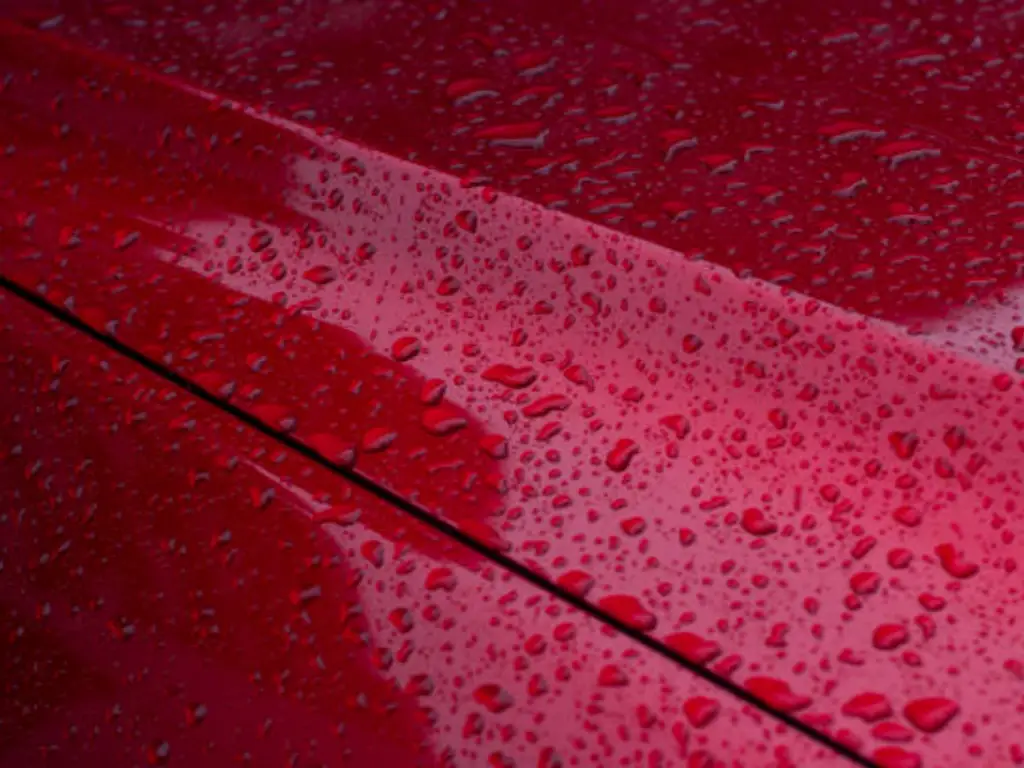
Flexippf Matte Series: Premium Specs Without the “Brand Tax”
Aliphatic TPU has a science behind it that warrants a premium price over simple vinyl, but consumers and professional detailers find themselves paying a huge “brand tax” on highly marketed legacy brands in the PPF market. A large part of an $8000 quote is usually channeled into a global advertising budget and distributor markups of a brand.
Flexippf is the best combination of high-end material science and lean B2B effectiveness. The Flexippf Matte Series is engineered to be used in high-end automotive applications, but it does not have to pay the brand tax, and it can be used with the same performance parameters as the competitors of the past. Our film is based on the BASF Polyester base materials of Germany, which is known worldwide due to its high durability and optical stability. This is bonded with proprietary Ashland Adhesive of the USA which ensures strong, long term adhesion with low VOC emissions, and also gives installers the low initial tack required to easily reposition the film during complex, bulk-cut installations.
Flexippf is manufactured in a state-of-the-art 60,000m² plant with the use of the most advanced German magnetron sputtering and ultra-precise Korean slot-die coating technology to ensure a perfectly uniform matte finish. From a protective standpoint, our advanced ceramic-infused topcoat effectively blocks over 99% of harmful UV rays (UV400) and withstands temperatures up to 80°C. The superhydrophobic surface treatment has a 110º contact angle, which significantly decreases the accumulation of water and dirt.
In addition to the technical features of the film, which has a 10-year warranty, Flexippf is also agile in the supply chain. When it comes to detailing studios and high-volume dealerships, we work with the highest level of flexibility: we can order 1 roll or 100, and we can provide highly time-sensitive custom designs with production being launched within 1 to 2 days. Through direct sourcing with one of the major manufacturers, buyers make a pure investment in the high-end polymer technology, which maximizes profit margins to installers and overall value to the final consumer.
Ready to eliminate the brand tax and experience uncompromised TPU performance? Explore our full technical specifications and find the perfect fit for your next project on the Flexippf Matte PPF Product Page.
Matte PPF vs. Vinyl Wrap vs. Factory Matte Paint
When deciding on the process of achieving a matte appearance, it is a factual truth that the physical limitations and long-term viability of each option should be taken into account, and that is why Matte PPF is traditionally considered as the strategic zenith of car finishes.
- Vinyl Color Change Wraps (The Temporary Budget Option)
Vinyl wraps (PVC) typically cost between $2,000 and $3,500. While they offer endless colors, vinyl is exceptionally thin (3 to 4 mils). It offers absolutely zero kinetic protection against rock chips or deep scratches. Furthermore, under severe UV exposure, vinyl will shrink, crack, and degrade within 2 to 3 years. It is a temporary cosmetic modification, not a protective asset.
- Factory OEM Matte Paint (The High-Risk Liability)
The most frequent query that most customers ask is, “why wrap it when I can just order the car in matte?” The thing is that OEM matte paint is a massive financial liability. The optional equipment can easily add up to an additional $3,000 to $5,000 and above to buy a car with factory matte paint. Once you take it out of the lot, the nightmare begins. You can never polish a deep scratch. The process of removing and painting the area to replace a single panel requires a very specialized body shop. The matching of the texture of the surrounding original panels is notoriously difficult and this might need blending of the entire side of the vehicle which can cost thousands of dollars to repair.
- Matte PPF (The Financial Hedge & Strategic Compromise)
Matte PPF is a financial hedge against the high cost of repair of OEM matte paint. It is impact resistant at 8 to 10 mils thick aerospace grade. It is used on standard, high-durability factory gloss paint, and completely removes the high-risk liabilities of OEM matte. When a panel of Matte PPF is struck a severe blow, the film can be peeled off with ease and a new one is applied at a few hundred dollars, which is more protective than leaving the paint uncovered. It is a combination of the aggressive aesthetic of OEM matte and the indestructible nature of contemporary polyurethane.
Total Cost of Ownership: Is Matte PPF Worth It?
To overcome the initial sticker shock of a $6,000 to $8,000 matte ppf wrap cost, one has to change their mindset of considering PPF as a “sunken cosmetic cost” to an “asset preservation strategy.” To calculate the Total Cost of Ownership (TCO) in a typical 5-year vehicle life cycle, it is necessary to examine the depreciation curve, the vehicle’s resale value, as well as the special maintenance expenses.
Consider a baseline scenario: A $120,000 luxury vehicle driven without PPF. The front bumper and hood will inevitably have hundreds of micro-impacts and rock chips in the course of the next 5 years, leading to severe paint damage. When the owner tries to sell the vehicle to the dealer, the dealer will subtract the price of repainting the front clip. The luxury market is highly stigmatized against a repainted vehicle; customers want “original paint.” This depreciation is a huge undisclosed financial drain.
At this point, use the TCO model on a car that has Full Matte PPF wrap. The initial outlay is significant ($7,500, for example). Nevertheless, during the 5-year lifecycle, the OEM paint under the film is hermetically sealed, and it is not affected by UV degradation or kinetic effects at all.
The Extended Maintenance Variable: It is important to factor in the specialized chemical maintenance cost. Over 5 years, investing in dedicated pH-neutral shampoos and silica-based (SiO2) matte detailers will add approximately $300 to $500 to your TCO.
At the moment of selling the car, the film is removed, and the factory-perfect, 100% original paint is left. A car that has perfect original paint will easily fetch a premium of between $4,000 and $6,000 in the high-end secondary market compared to a car that has a lot of chipped paint. The actual amortized cost of the PPF decreases significantly when you deduct the recovered resale premium of the original cost of installation (and include the chemical maintenance cost). You are basically paying in advance to have flawless paint when you buy it, and having a custom look throughout the period of ownership.

Strict Maintenance Rules for Preserving Your Matte Finish
Aliphatic TPU is extremely resistant to physical impact, but its microscopic surface texture demands an extremely precise, zero-tolerance chemical maintenance procedure. A matte PPF wrap should not be treated like normal gloss paint because it will cause permanent aesthetic damage.
- Rule #1: The Absolute Ban on Polishing and Clay Bars. Matte PPF should never be machine polished or subjected to heavy clay bar. Abrasives will even out the microscopic texture that diffuses the light, making your smooth matte finish permanently patchy and semi-gloss.
- Rule #2: Zero Carnauba Wax or Traditional Sealants. Paste waxes are traditional waxes that are used to fill microscopic scratches to form a smooth reflective surface. Waxing matte PPF will block the pores of the film leaving behind a hazy, white and uneven residue that is painfully hard to remove.
- Rule #3: Abandon Automatic Car Washes. Drive-through car wash heavy, rotating synthetic bristles are very abrasive. The rough friction and the rough industrial chemicals that are not regulated will seriously impair the topcoat of the film.
- Rule #4: Utilize Specialized Chemistry. This is where the extended TCO comes into play. You must transition entirely to pH-neutral car shampoos devoid of any gloss enhancers or “wash and wax” additives. For ongoing protection, strictly use silica-based (SiO2) ceramic detailing sprays specifically formulated for matte finishes to maintain the hydrophobic contact angle without adding unwanted shine.
- Rule #5: Immediate Contaminant Removal. Leaving acidic bird droppings or tree sap to bake into the porous matte surface under high heat can cause localized staining and environmental damage. Rapid intervention using a dedicated matte detailer spray is mandatory.
Essential Questions to Ask Your Detailer Before Booking
With a knowledge of material science, rigorous preparation demands, and labor costs under the carpet, now you need to do your due diligence on the detailing studio you have chosen. An expensive film that is installed badly is practically useless. Take this very SOP (Standard Operating Procedure) checklist to your consultation so that you are hiring a master technician:
- “Are you using plotter-cut templates or performing a custom bulk-cut installation?”
What you are looking for: You want custom bulk-cut with deep wrapped edges. If they use a plotter on a gloss-to-matte conversion, the original shiny paint will show at the seams.
- “To achieve wrapped edges, what specific components of my vehicle will you be disassembling?”
What you are looking for: Honesty regarding their mechanical competence. In case they are taking off mirrors and bumpers that have built-in cameras, you should inquire: “Do you have the OEM software to re-calibrate the ADAS sensors after re-assembly, or should I bring it to the dealership?”
- “How do you manage tension and stretch marks on complex curves?”
What you are looking for: The installer should confidently explain their technique for anchoring the film and distributing tension across a wide area rather than forcing a localized stretch, which thins the TPU and degrades the matte finish.
- “Can you outline your exact paint preparation and correction process before the film is laid?”
What you are looking for: A comprehensive answer involving chemical decontamination (iron and tar removal) followed by at least a single-stage machine polish to ensure a pristine bonding surface. If they say, “We just wash it and wipe it with alcohol,” walk away immediately.
- “Does your warranty cover both the film degradation and the installation labor?”
What you are looking for: There should be a clear difference between the warranty of the manufacturer and the warranty of the workmanship of the shop. Premium film manufacturers strictly cover material defects (such as premature yellowing, bubbling, or cracking). But in case the film lifts at the corners because of improper surface preparation or stretching excessively during installation, the manufacturer will not pay the labor cost to install a new one. Always demand a separate, written workmanship warranty directly from the installation shop to cover human errors, giving you ultimate peace of mind for your investment.

 English
  Spanish
  Dutch
Dutch  Japanese
  Russian
  Arabic