
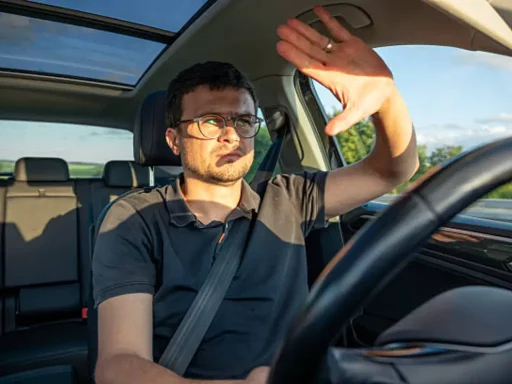
Вы уже знаете, как мучительно садиться в машину и чувствовать себя как в духовке в жаркие летние месяцы в местах, где жара стоит неимоверная. Руль обжигает руки, кожаные сиденья обжигают кожу, а кондиционеру требуется целых десять минут, чтобы сделать салон пригодным для дыхания. Старый добрый выход из положения - сделать стекла автомобиля настолько темными, насколько это позволяет закон (или нелегально). Но что делать, если вам не нравится "затемненный" вид? Что делать, если вам трудно видеть через темные окна ночью, или вы просто не хотите давать правоохранительным органам повод остановить вас?
This makes the 70% window tint the perfect compromise.
Often referred to as a “clear tint,” a 70% film offers a seemingly impossible compromise: it remains virtually invisible to the naked eye while secretly working as a powerful thermal shield. However, is it worth the investment? Does a film this light actually stop this intense level of heat of the sun or is it merely an expensive placebo?
In this comprehensive guide, we are pitting 70 tint vs no tint in the ultimate showdown. We will cut through the marketing hype and get into the actual thermal camera tests, driver view of night visibility, the confusing legal environment, and get you through the premium window film market, so you do not end up spending your money on the wrong technology.
What Does 70% Window Tint Actually Look Like?
In order to know what 70% tint is, we must first define the industry terminology. VLT is an abbreviation that means Visible Light Transmission and it is used to measure window tint darkness. This percentage is the actual percentage of visible ambient light that the film permits to pass through the glass and into the cabin of the vehicle.
Thus, a 5% VLT tint (also known as “limo tint”) is so dark that it blocks an enormous 95% of the light, and cannot be seen at all externally. The rear privacy glass of factory SUVs is normally a 20% VLT tint.
A 70% VLT tint, however, permits 70% of the visible light to pass through. To the untrained human eye, 70% tint looks exactly like factory glass.
When you put a 70% film on a windshield or side windows, you still have what automobile lovers call the “fishbowl” effect jokingly. People can easily look inside the car, you can look directly at other cars and pedestrians at the four-way stops, and the original aesthetic appeal of the car is not changed in any way.
The White Interior Illusion:
It is important to note that the perceived darkness of any tint of the window is strongly dependent on the color of your car interior. If your vehicle has a dark charcoal or black interior, the cabin naturally absorbs more light, which might make a 70% tint look ever so slightly shaded (perhaps closer to a 60% perception).
But when you are driving a car with a white or light interior, which is a very common design in modern electric cars such as Tesla or Lucid, the bright seats are like reflectors. They bounce ambient light back out through the glass. In such cases, a 70% tint will appear a 100% clear on the surface. When you want to keep the glass crisp, bright, and factory-fresh, but at the same time, you want to improve the performance of the glass, 70% is the final undercover change.
70 Tint vs No Tint: Night Visibility Comparison
The most enduring and legitimate concern regarding window tinting, particularly in the front windshield, is the effect it will have on visibility once the sun sets. Night driving is already more dangerous because of the lack of depth perception, peripheral vision, and color recognition. It would be counterintuitive to add a layer of film to your main viewing area.
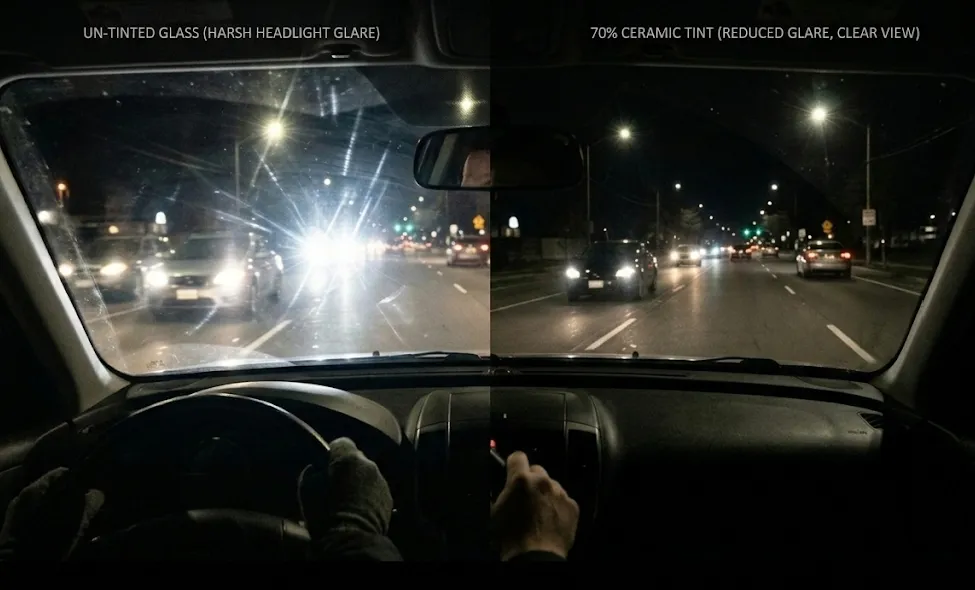
The results are very counterintuitive when you compare a 70% tint to an un-tinted windshield at night. You would think that the 70% film would make the road a little more difficult to see, but in fact, it does just the opposite and makes your night driving experience much better.
This is the science of why a good 70% film will by no means render night driving hazardous:
- The Human Eye’s Adaptability: The human eye is very skillful in adapting to small changes in light transmission. The difference between 100% clear (or, as it is really, 75%-80% clear of the glass in a factory) and a net 70% transmission is so slight that your pupils readily enlarge to counteract it. You will not feel that there is a loss of light on the road before you.
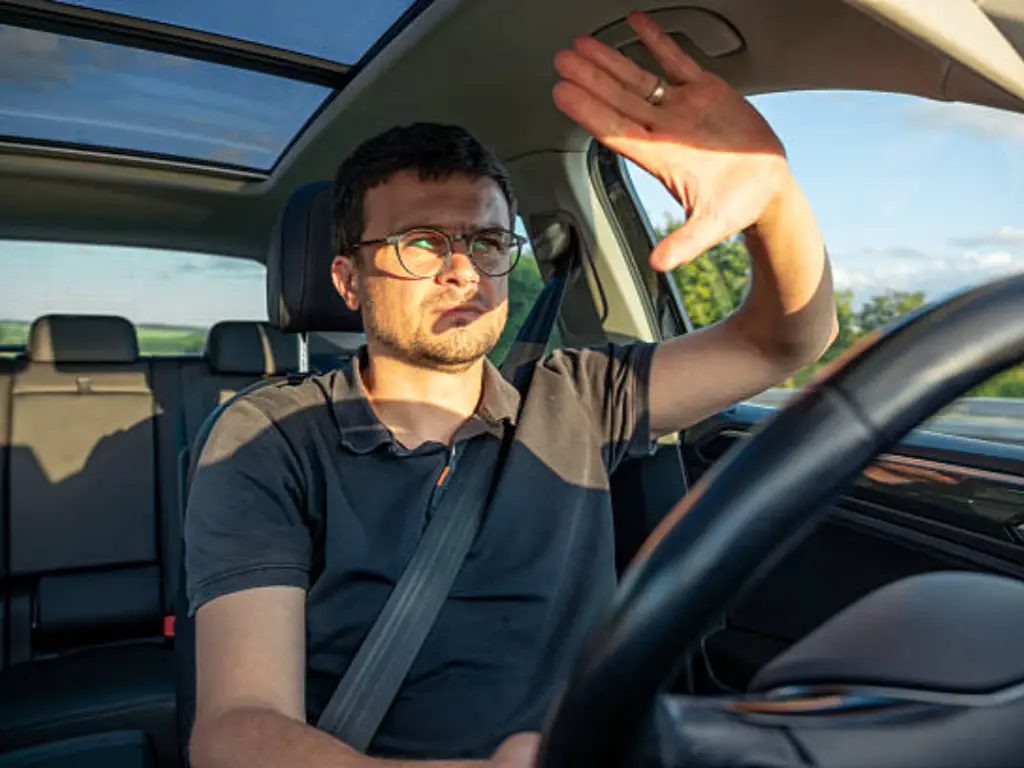
- Massive Glare Reduction: This is the true game-changer. Modern vehicles are increasingly equipped with ultra-bright LED and HID matrix headlights. When driving on a two-lane road at night, the glare from oncoming traffic can temporarily blind you, causing a phenomenon known as “white-out” or “halo” effect. This is especially agonizing for drivers with astigmatism. A premium 70% tint acts like a pair of high-end, polarized anti-glare driving glasses. It cuts the harshness of oncoming headlights by up to 55%, reducing eye strain, preventing squinting, and stopping those blinding starbursts.
- Rainy Night Performance: It is well known that driving in the rain at night is extremely hard since the wet roads reflect the headlights of other vehicles straight into your eyes. By applying a 70% film, you drastically mute these harsh reflections from the wet pavement.
To conclude, a 20% or 35% windshield tint is truly hazardous and will greatly reduce your visibility of pedestrians or unlit objects at night, but a 70% tint will not only leave you with full situational awareness but will also actively relax your eyes. It is the ideal remedy to fatigue in long-distance drivers.
Thermal Camera Proof: Does 70% Tint Block Heat?
This leads to the most important question: If the film is practically clear, how can it possibly keep the car cool? Does not dark film prevent more heat?
We break this myth by referring to empirical evidence in the form of Forward Looking Infrared (FLIR) thermal imaging cameras. In a controlled test on a 95°F (35°C) summer afternoon, we left two identical vehicles parked in direct sunlight for three hours. The factory glass in vehicle A was totally un-tinted. Vehicle B had a high-quality 70% nano-ceramic tint on the windshield and front windows.
The Thermal Test Results:
- Vehicle A (No Tint): The FLIR camera measured the black dashboard surface temperature baking at an astonishing 162°F (72°C). The steering wheel was too hot to hold comfortably and the cabin air seemed to be suffocating.
- Vehicle B (70% Ceramic Tint): The FLIR camera recorded the same dashboard space at only 108°F (42°C). The steering wheel was hot and totally comfortable to handle and the cabin temperature was much more manageable.
How can this huge 54°F surface temperature difference exist with a film that you can hardly see?
It boils down to the knowledge of the solar spectrum. The warmth that you experience on your skin when the sun is shining is not the result of the visible light, but rather the result of Infrared Radiation (ИК).
The Pitfall Warning: Why You Must Choose Nano-Ceramic
Thousands of consumers lose their money here. When you visit a cheap tint shop and request them to install a 70% film, they may install a traditional Dyed film or a тонировка стекол карбоном.
- Dyed Films rely on dark colors to absorb heat. When you purchase a 70% dyed film, there is hardly any dark dye in it. Thus, it is nothing more than a transparent piece of plastic. It will block zero heat. It is a total waste of money.
- Nano-Ceramic Films are engineered entirely differently. During the manufacturing process, microscopic ceramic nanoparticles (often made of titanium nitride or similar advanced compounds) are embedded into the polyester layers. These nanoparticles cannot be seen with the naked eye (with the 70% VLT), yet they are very sensitive to the infrared spectrum. A good 70% ceramic film has the ability to block more than 85% to 95% of Infrared heat.
If you want the magic trick of “high visibility with maximum heat rejection,” you must verify that the shop is installing a true Nano-Ceramic film. If it isn’t ceramic, you are not getting the thermal benefits shown in our FLIR test.
Blocking 99% UV Rays: Skin, Interior & Safety Protection
Although the main reason why people tint their windows is to keep the heat out, the unseen defense against Ultraviolet (UV) radiation is arguably equally important to your health and the life of your car.
Complete Interior Preservation
UVA and UVB rays of the sun are merciless killers of a vehicle’s interior. The process is known as photodegradation and is a result of continuous exposure. Over time, UV radiation breaks down the chemical bonds in your car’s materials. This is what causes luxurious leather seats to dry out, stiffen, and crack. It causes the rich black plastics on your dashboard to fade to an ashy gray, and it triggers the outgassing of vinyl compounds (which creates that stubborn, hazy film on the inside of your windshield). You can eliminate more than 99% of these harmful UV rays (UV400 protection) by installing a 70% ceramic tint, which is essentially a permanent coating of SPF 1000 sunscreen on the inside of your car, providing premium uv protection, and also helps maintain the resale value of your car.
Skin Protection for Drivers
According to the Skin Cancer Foundation, dermatologists frequently observe a significantly higher incidence of melanoma and skin damage on the left side of the face and the left arm of drivers in countries with left-hand drive vehicles. Standard side window glass does not block UVA rays effectively. A 70% tint provides profound medical benefits by halting this daily radiation exposure, protecting you and your family during daily commutes and long road trips.
The Electric Vehicle (EV) Efficiency Boost
In the case of electric car owners such as Tesla Model 3, Model Y, or Hyundai Ioniq 5, which have enormous panoramic glass roofs and large windshields, 70% ceramic tint has a special passive energy advantage. EVs operate the air conditioning compressor on high-voltage battery power. The AC system does not need to work as hard to keep the interior at a predetermined 70°F temperature because the solar heat gain (up to 65% of the heat) entering the cabin is dramatically reduced. This reduced HVAC load translates directly into preserved battery life and a marginal but measurable increase in driving range. Moreover, it eliminates the activation of systems such as “Tesla Cabin Overheat Protection” that activates every time the car is parked in the sun.
Safety Enhancement: Shatter Resistance
Beyond solar control, high-quality ceramic window films offer a crucial, often overlooked safety advantage. The shattered glass pieces are held together by the powerful Ashland adhesive layer of the film in the unfortunate event of a collision or a heavy object hitting the glass. The glass does not spray into the cabin and at your face and eyes in jagged pieces, but rather breaks and sticks to the film in a single sheet.
Is 70% Windshield Tint Legal in Your State?
We have to discuss the elephant in the room before you go to book an appointment and that is legality. The local laws and provincial regulations on window tint are very strictly regulated and are infamously complicated in the front windshield.
In the vast majority of jurisdictions, it is technically illegal to apply any aftermarket film to the entire front windshield, regardless of how light or transparent it is. Most state laws specify that you may only apply non-reflective tint to the top 4 to 6 inches of the windshield, ending at the manufacturer’s Линия AS-1 (a small marker usually printed on the edge of the glass near the top).
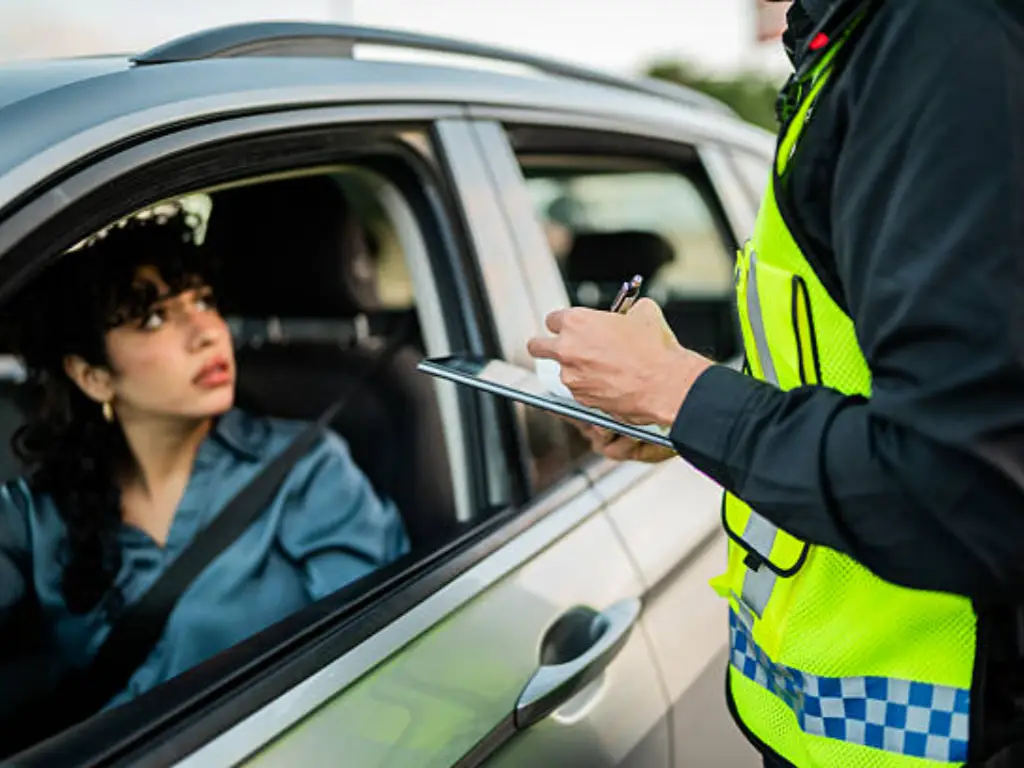
But the fact of the enforcement of these laws makes a huge gray area. Since 70% tint is so unbelievably light and cannot be seen through factory glass, tens of thousands of drivers have tinted their entire windshields and have never been pulled over, cited, or questioned by the police. Police officers are generally looking for aggressively dark windshields (such as 20% or 35%) that hide the identity of the driver. A 70% film does not block the view of the officer into the vehicle, and therefore it hardly causes suspicion.
Disclaimer: You assume all risks if you choose to tint your entire windshield in a state where it is prohibited.
The Medical Exemption Hack (How to stay 100% legal):
To have the advantages of a 70% windshield tint without the fear of a possible fix-it ticket, in most states, there is a legal loophole: the Medical Exemption.
- Check Your State Laws: Verify if your state’s Department of Motor Vehicles (DMV) or Department of Public Safety (DPS) allows medical exemptions for window tinting. (States like Texas, Florida, and California have specific provisions).
- Consult Your Doctor: Schedule an appointment with your dermatologist, optometrist, or primary care physician. In case you have such conditions as severe astigmatism, photosensitivity (sensitivity to light), Lupus, Rosacea, or a high risk/history of melanoma, your doctor can certify that you need extra protection against the sun.
- Submit the Paperwork: Have your doctor fill out the specific state-mandated medical exemption form. You have one in your glovebox and occasionally you send a copy to DMV so that a special indicator can be added to your vehicle registration.
Now that you have this exemption you can safely apply a high quality 70% ceramic film to your entire windshield and still be within the law.
Best Tint Combinations: Pairing 70% with 20% Sides
When you are making a commitment to a 70% film on the front windshield to give you maximum visibility and heat rejection, the next question that comes to mind is: How should I tint the rest of the car? Tinting of windows is most effective when there is an aesthetic flow. When you do not tint the side and rear windows, the car does not have privacy. If you go too dark on the sides, the contrast between the clear windshield and the blacked-out sides can look disjointed.
Here is the “Golden Ratio” combination favored by professional installers and car enthusiasts alike:
The 70% Front / 20% Sides Setup
This is widely considered the ultimate combination for both luxury and daily driver vehicles.
- Windshield (70%): Provides maximum heat rejection, flawless night vision, and keeps the front of the cabin looking bright and legal.
- Front Side Windows (20% or 35%): A 20% film perfectly matches the factory privacy glass found on the rear halves of most SUVs and trucks. It provides excellent privacy—people outside cannot easily see who is driving or what valuables are left on the passenger seat. If 20% feels too dark for your side mirrors at night, dropping to a 35% film offers an elegant, slightly smoked look that still provides moderate privacy.
- Rear Windows & Back Glass (20%): Matches the front sides for a uniform, sleek exterior profile.
A Crucial Note for Perfectionists:
Remember the VLT stacking math. The glass in your car is not always 100% clear, it tends to have an inherent light blocking of about 20% to 25% (that is, factory glass is about 75% VLT). With a 70% film on a 75% factory glass, the net VLT is actually reduced to about 52%.
Moreover, when your car has a dark interior, the difference between the 70% windshield and the 20% sides will cause the windshield to look a little darker than it will be seen outside. On the other hand, when you have a white interior, the light coming through the windshield will reflect off the cabin, and your 20% side windows will appear significantly lighter (almost 35%) when the sun strikes them at some angles. Keep these optical illusions in mind when planning your build!
Best 70% Ceramic Tints: Top Brands & Flexippf
После принятия решения о выборе спецификации 70% последняя задача - преодолеть очень переполненный рынок оконных пленок. От качества выбранной вами пленки зависит все: от оптической четкости (насколько размытой выглядит дорога) до TSER (Total Solar Energy Rejected).
Если говорить о покупке высококачественных нанокерамических пленок, то на рынке доминируют три ключевых старых бренда, которые продаются по премиальной цене. Ожидайте, что цена будет варьироваться от $200 - $350+ только для переднего лобового стекла, и до $600 - $900 за весь автомобиль в солидных магазинах.
| Бренд и линейка продуктов | Заявленный VLT | TSER (общее количество отклоненной солнечной энергии) | Визуальный оттенок / цветовой тон | Ориентировочная цена (только лобовое стекло) |
| 3M Crystalline 70 | 68% | 50% | Слегка коричневатый/шампанский оттенок | $250 – $350 |
| XPEL Prime XR Plus 70 | 71% | 52% | Заметный голубоватый оттенок | $250 – $350 |
| Llumar AIR 80 | 77% | 43% | Очень выразительный светло-голубой оттенок | $200 – $280 |
Хотя эти старые бренды производят отличные пленки, их высокие цены сильно завышены за счет маркетинговых расходов и "налога на бренд". Кроме того, многие водители жалуются на специфическое изменение цвета этих пленок на синий или коричневый при воздействии прямых солнечных лучей, что может изменить внешний вид автомобиля.
Керамическая тонировка Flexippf 70%: альтернатива премиум-класса
Flexippf разработала лучшую нано-керамику, не требующую наценки за бренд. Основываясь на модели FABE (Features, Advantages, Benefits, Evidence), можно сказать, что Flexippf всколыхнула индустрию высококлассных оконных пленок:
Характеристика (Технология):
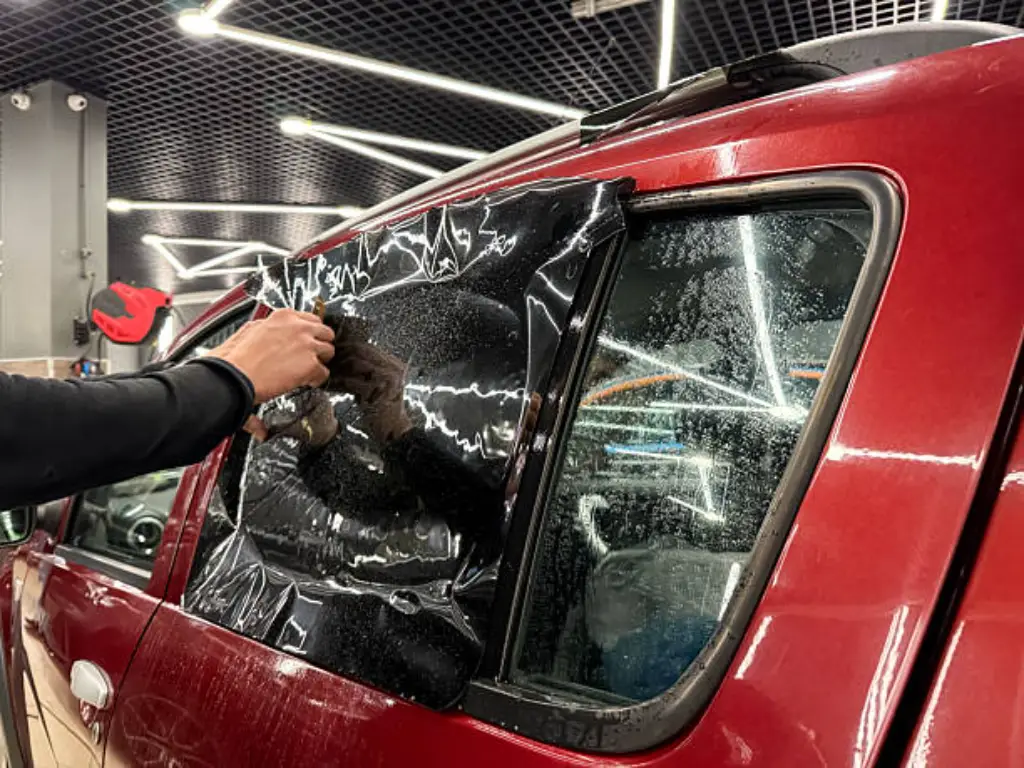
Автомобильная тонировка окон 70% от Flexippf изготовлена из материалов мирового класса BASF полиэстер база ГерманииОн отличается высокой прочностью на разрыв и долговечностью. В нем используются новейшие Нанокерамическое покрытие Пленка поставляется лучшими поставщиками в мире и наносится на новейшее оборудование для нанесения покрытия SLOT DIE. Пленка склеивается с помощью высокостабильных материалов с низким содержанием летучих органических соединений Клей Ashland из США.
Преимущество (The Performance Edge):
В отличие от старых брендов, которые склонны к изменению синего или коричневого цвета, Flexippf отличается высокой точностью изготовления, что гарантирует идеально стабильную оптическую прозрачность с нейтральным, заводским видом стекла. Он может похвастаться агрессивным Рейтинг UV400 (блокирует >99% вредных ультрафиолетовых лучей) и обеспечивает превосходный профиль теплоотдачи, снижая поступление солнечного тепла до 65%. Кроме того, он имеет встроенную систему уменьшения бликов до 55%.
Выгода (что это значит для вас):
Выбирая Flexippf, вы получаете точно такой же тепловой комфорт мирового класса, сохранность интерьера и кристально чистое ночное видение, как и у традиционных брендов $300+, но по значительно более разумной цене. Поскольку Flexippf является прямым производителем с огромными производственными мощностями (завод площадью 60 000 м², 13 производственных линий Leybold), экономия напрямую передается потребителю и установщику. Вы получаете более приятный салон, более безопасную езду и интерьер, не подверженный "налогу на бренд".
Доказательства (Гарант):
Flexippf поддерживает всю произведенную пленку с помощью Гарантия 10 лет Это лучшая пленка в отрасли, и ваши инвестиции не будут пузыриться, шелушиться или становиться фиолетовыми с годами. Наши пленки зарегистрированы национальными центрами безопасности дорожного движения и контроля качества стекла.
Окончательный вердикт: стоит ли 70% Ceramic Tint того?
В конечном счете, спор между тонировкой 70 и отсутствием тонировки вовсе не является спором, когда вы изучаете данные для принятия обоснованного решения. Установка нанокерамической пленки 70% - это одна из самых функциональных и комфортных модификаций, которые вы можете сделать для любого автомобиля.
Для кого это лучше всего подходит?
- Водители, живущие в жарком, залитом солнцем климате, которые хотят резко охладить свои кабины.
- Владельцы электромобилей (EV), желающие максимально увеличить эффективность работы кондиционера и запас хода батареи.
- Люди, страдающие астигматизмом или ночной слепотой, которым необходимо уменьшить блики от фар, не затемняя обзор.
- Владельцы роскошных автомобилей, которые не хотят, чтобы их дорогостоящие кожаные салоны гнили на солнце, но при этом не желают менять стильный, заводской вид своего автомобиля.
Для кого она НЕ предназначена?
- Водители, чья главная цель - конфиденциальность. Чтобы скрыть ценности или себя от посторонних глаз, пленка 70% вам не поможет, вам нужна пленка 20% или 15%.
- Покупатели, чувствительные к цене, которые не готовы тратиться на технологию Nano-Ceramic. Окрашенная пленка 70% низкого класса - пустая трата денег.
Если вы цените прохладу в салоне, четкое ночное видение и хорошее самочувствие вашей кожи и салона, высококачественная керамическая пленка, такая как серия 70% от Flexippf, стоит денег с точки зрения чистого повседневного комфорта. Это окончательное невидимое покрытие для вашего автомобиля.
 English
  Spanish
  Dutch
Dutch  Japanese
  Russian
  Arabic