
If you are upgrading your vehicle in 2026, windshield and car window tinting is no longer just an aesthetic modification—it is a critical investment in driving comfort, interior preservation, and UV protection. Modern vehicles, with their expansive glass surfaces, Heads-Up Displays (HUD), and sensitive electronic dashboards, require a more strategic approach to window tinting than ever before. However, the most pressing question for vehicle owners, dealership managers, and automotive enthusiasts remains: How much does a windshield tint cost, and is the premium price tag actually justified?
The price of the windshield tint can be extremely different, with a simple sun strip costing as little as $50, and a full-windshield premium nano-ceramic application on a luxury electric car costing much more than $600. This huge price difference is fueled by the kind of technology installed in the window film, the make and model of the vehicle, the complexity of the installation process, and a number of hidden charges that most consumers are totally oblivious of until they get the final bill.
In this comprehensive, industry-leading guide, we will break down the exact costs associated with windshield tinting in 2026. We will explore the scientific differences between dyed, carbon, and ceramic films, expose the hidden costs of ADAS (Advanced Driver Assistance Systems) calibration, and explain the legal landscape of night driving. This guide is all you need to know whether you are a car owner and want to get the best out of your investment in a car or if you are a professional in the industry and want to know more about the market.
Average Windshield Tint Cost by Material in 2026
The cost of windshield tint is most determined by the technology that is incorporated in the film itself. In 2026, the automotive aftermarket has largely phased out low-end materials for full windshield applications due to performance limitations and longevity issues, but they still exist in budget shops. Moreover, the kind of car you are driving is a major determinant of the labor cost which constitutes a significant part of the final bill.
The windshields of standard sedans are relatively flat and accessible, and the installation procedure is not complicated in the hands of a skilled technician. In contrast, SUVs and lifted trucks require ladders or step stools, featuring larger glass areas that demand more raw material. The highest priced segment consists of the modern Electric Vehicles (EVs) and luxury cars- Tesla Model X, Model Y, or Lucid Air. These cars have huge, highly curved, sweeping panoramic windshields which require sophisticated heat-shrinking processes, two-man crews, and much higher quality premium films.
The following is a reference matrix that will detail the average cost of car window tint for windshields in the market in 2026 based on material and vehicle type.
| Tint Material Type | Sedans / Coupes | SUVs / Trucks | EVs / Complex Curved Glass (e.g., Tesla) |
| Standard Dyed Film | $100 – $150 | $120 – $180 | $150 – $250 |
| Carbon Film | $140 – $200 | $160 – $250 | $200 – $300 |
| Standard Ceramic Film | $200 – $300 | $250 – $350 | $300 – $450 |
| Premium Nano-Ceramic | $250 – $400+ | $300 – $450+ | $400 – $600+ |
Understanding the Price Matrix:
It is important to note that these prices are based on professional installation in a reputable and climate-controlled store. The “Premium Nano-Ceramic” category is a multi-layer film category which provides the highest infrared (IR) heat rejection on the market today. Although the initial windshield tint price of ceramic film is significantly more expensive, it is a huge payoff over the lifetime of the vehicle in the form of significantly lower air conditioning consumption, preserved leather interiors, and increased battery range in electric vehicles.
Full Windshield vs. Sun Strip: Pricing Differences
Not every driver wants, needs, or can legally have their entire windshield tinted. Due to the tight budget or strict local law enforcement policies, a more localized, traditional solution is chosen by many vehicle owners. In determining your own windshield tint price, you have to first determine whether you want a complete windshield tint or just a sun strip (also commonly known as a visor strip or glare strip).
The Sun Strip (Visor Strip)
A sun strip is a horizontal band of tinted film applied only to the top edge of the windshield. This strip usually stops at or slightly above the AS-1 line (a legally defined marker etched into the glass by the manufacturer, typically found on the upper edges of most windshields, roughly 4 to 6 inches from the roofline).
- The Cost: Generally ranging from $50 to $100.
- The Benefits: It is very cheap and a good entry level choice. It is a good shield against the blinding glare of the sun when it is directly overhead or setting squarely in front of your line of sight. It also meets the most stringent window tint laws and regulations in virtually all jurisdictions around the world, as long as it does not go below that vital AS-1 line.
- The Drawbacks: It offers absolutely zero protection for the lower 80% to 90% of your cabin. Your expansive dashboard, expensive leather seats, touchscreen infotainment systems, and your hands on the steering wheel remain completely exposed to harmful UV rays and intense infrared baking heat.
The Full Windshield Tint
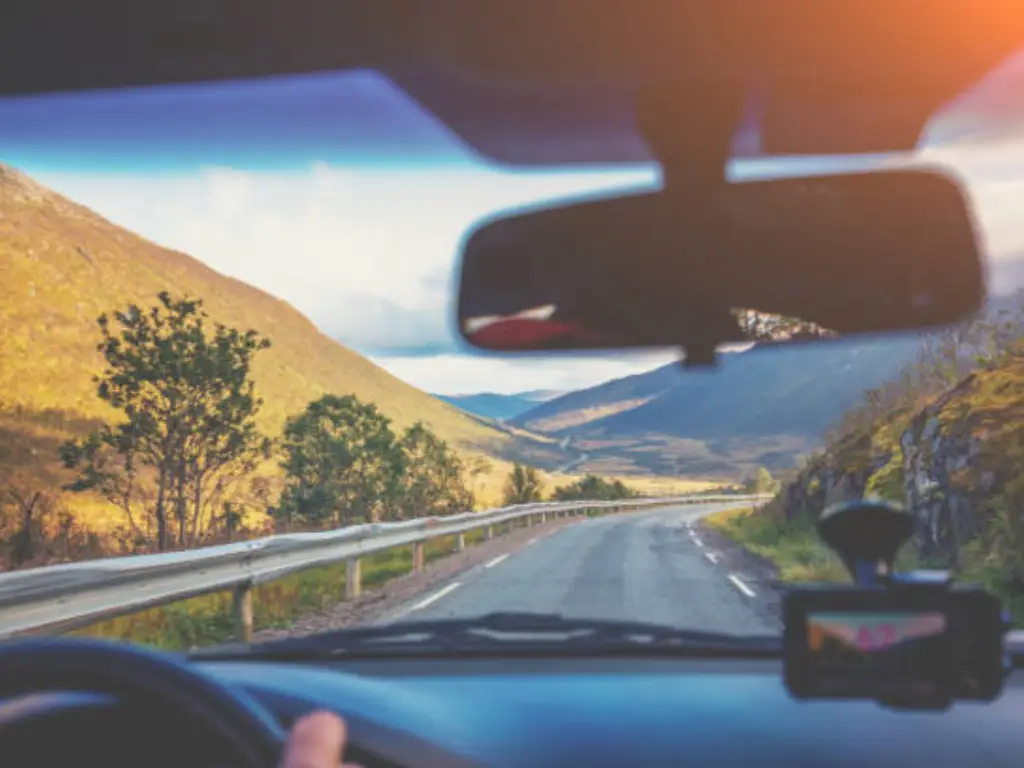
This is done by pasting one continuous, smooth, custom-shrunk sheet of film over the whole inside of the windshield glass, including the roofline, down to the bottom of the dashboard.
- The Cost: Ranging from $150 to $400+, depending entirely on the material chosen and the shop’s labor rates.
- The Benefits: This is the ultimate, uncompromising upgrade for climate control and interior preservation. The complete tint on the windshield is a giant barrier to the greenhouse effect. A highly transparent film (e.g. 80% or 90% VLT) will allow it to pass 99% of UV rays and significantly lower ambient cabin temperatures without appearing like the car has been customized.
- The Drawbacks: The significantly increased initial windshield tint price, the possibility of legal issues and investigation in case the chosen film is too dark, and the fact that it is impossible to install it without expert installation and high-quality professional equipment to pass through the compound curves of the glass.
For drivers who are very price-sensitive, the sun strip is a practical, but restricted, trade-off. Nevertheless, to the people who want to radically transform the driving experience, shield their skin against early aging, and maintain the vehicle’s interior against cracking, the full windshield tint is the only possible choice.
Ceramic vs. Carbon vs. Dyed: Which Is Worth It?
Speaking about the actual windshield tint price, we have to go beyond the enumeration of technical specifications such as thickness and color. We have to analyze these movies in terms of pure “Return on Investment” (ROI). The largest entry point of solar energy to your vehicle is the windshield. The wrong material in this case will make the rest of your side and rear tinting of your car pretty useless.
Dyed Window Tint: The Budget Trap
The simplest and oldest technology in the automotive aftermarket is dyed film. It is based on a coating of dye that is melted into the polyester to take in the heat of the sun and darken the glass.
- ROI Analysis: Extremely Poor. Although the initial windshield tint price is extremely low (approximately $100), dyed films are known to last very short. The UV rays of the sun will ultimately fade the dye, making the film a clear, unattractive purple hue. More to the point, colored film can only prevent heat by absorbing it in the glass. This implies that the glass itself radiates hot and ultimately transfers the heat into the cabin. It has practically zero infrared (IR) heat rejection.
Carbon Window Tint: The Durable Middle Ground
Carbon films are infused with microscopic carbon particles rather than dye. They have a unique, deep matte-black finish and do not have any metal in them, which means that they will not disrupt radio or cellular signals.
- ROI Analysis: Moderate. Carbon film does not fade or become purple and therefore has a far superior structural life compared to dyed film. It prevents approximately 40% of IR heat, which is a significant improvement. Nevertheless, carbon particles are quite large in a microscopic scale. When applied to a large, angled windshield, lower-quality carbon films can create a slight “haze” or fogginess, especially when direct sunlight hits it at specific low angles. In the case of a windshield in which the optical perfection of the glass is of paramount importance to safety, ordinary carbon may occasionally be a danger.
Nano-Ceramic Window Tint: The Ultimate Investment
Ceramic tint is produced with the use of the latest microscopic nano-ceramic particles which are non-conductive and non-metallic.
- ROI Analysis: Exceptional. Here the saying of “buy once, cry once” is most true. Ceramic film is the only material on earth that can attain the ideal, seemingly impossible combination of High Visible Light Transmission (VLT) + exceptional heat rejection. It is possible to apply a nearly transparent ceramic film on your windshield and still block more than 99% of UV rays and more than 85% – 98% of Infrared heat. It does not affect the night vision, it will never become dull and it will provide the optical clarity of a crystal. In the case of the front windshield, ceramic is certainly the most appropriate and rational.
Why FlexiPPF Ceramic Tints Maximize Your Investment
When you are spending hundreds of dollars on a high quality windshield tint, the brand of film that your shop of choice uses will directly determine how comfortable you will be in your car on a daily basis, how well you will see at night, and how long your investment will last. In order to make sure that your windshield tint price can be converted into no-compromise, no-world-class protection, it is strongly advised that you request your local authorized dealer to provide you with FlexiPPF.
FlexiPPF offers more than 100 types of high quality automotive films as a globally trusted brand with a massive 60,000m² state of the art manufacturing plant. FlexiPPF Advanced Nano-Ceramic Technology is in a category of its own when it comes to maximizing the investment on your vehicle.
Unparalleled Raw Materials Ultimate Clarity FlexiPPF does not compromise on the chemical engineering of our films. Our products are constructed using a very strong BASF Polyester Base that is imported in Germany and this guarantees superior durability, high tensile strength and the optical clarity is absolutely stable. This totally removes the hazardous “low-angle haze” of inferior carbon and low-cost ceramic films. We combine this base with high quality Ashland Adhesive that is imported to the USA, which ensures good bonding and high heat resistance to ensure that the film does not peel, bubble, or delaminate throughout its life.
Advanced Nano-Ceramic Climate Control Our performance is based on our Nano Ceramic Coating. This high-tech coating is a transparent barrier, virtually blocking more than 99% of the harmful UV rays (UV400) – keeping your skin and your car dashboard and leather interior out of the sun, preventing fading and cracking. Furthermore, it delivers outstanding climate control, reducing total solar heat gain by up to 65% and rejecting over 70% of infrared heat. It is 100% metal-free and therefore keeps your GPS, cell phones and ETC toll passes signal transmission completely clear.
Long-Term Value and Driver-Focused Benefits For car enthusiasts and daily commuters alike, choosing a shop that installs FlexiPPF means upgrading your entire driving experience:
- Tailored Aesthetics & Visibility: You need to be able to choose between maximum shading and a virtually transparent 70%+ VLT film that is legally allowed on windshields, FlexiPPF can give you the exact choices to enhance the look of your vehicle the way you want without losing night vision.
- Enhanced Safety & Glare Reduction: FlexiPPF is engineered to reduce blinding sun and headlight glare by up to 55%, significantly improving your focus. The high-tensile film keeps the glass of the shattered windshield tightly bound together in the event of an accident, keeping you and your family safe of flying glass.
- Flawless Fitment: Certified FlexiPPF installers use our accurate Pre-Cutting service on the basis of the latest 3D scanning technology. This makes sure that the film fits your particular car model perfectly, that is, it will install faster and that the technicians will not cut the film on your glass.
- 10-Year Warranty: We believe in our products. All FlexiPPF systems come with a 10-year warranty, which is the best in the industry, and you can be sure that your FlexiPPF will not bubble, fade, or peel.
When you actively make the decision to install FlexiPPF in your car, you can easily afford the high price of the premium windshield tint because you are purchasing a product that not only cools your car but also protects your interior and makes you safer on the road in the next ten years.
Hidden Fees: Old Tint Removal and ADAS Calibration
When people do their research on the cost of windshield tint online, they often just check the price of the film itself and the standard installation labor. But in the actual world, there are huge undisclosed charges that can change the final bill dramatically. The most prevalent and expensive, labor-intensive, and hidden factors are the elimination of old, worn-out film and the colossal complexities of modern ADAS (Advanced Driver Assistance Systems).
Old Tint Removal: A Labor-Intensive Nightmare
When you are buying a used car that has a tinted windshield that is already bubbling, peeling, heavily scratched or turning purple, then you have to remove it all and thoroughly before any new film can be applied. You cannot just apply new colour over old colour; you will get a twisted, perilous, and ugly mess.
Removing old windshield tint is notoriously difficult. The adhesive bakes into the glass over years of intense sun exposure, turning into a hardened, sticky crust. Installers cannot just rip it off. They have to apply commercial grade garment steamers, special chemical adhesive-dissolving solvents, and very angled razor blades to scrape the glass clean. Due to the cramped and awkward position of the windshield and the dashboard curve, this may require a skilled technician between 1 and 3 painful hours.
- The Hidden Cost: Shops typically charge a flat hourly rate for removal to compensate for the lost time they could have spent on a new install, easily adding $80 to $150 to your total windshield tint cost.
Will Tinting Affect My ADAS, ETC, or Rain Sensors?
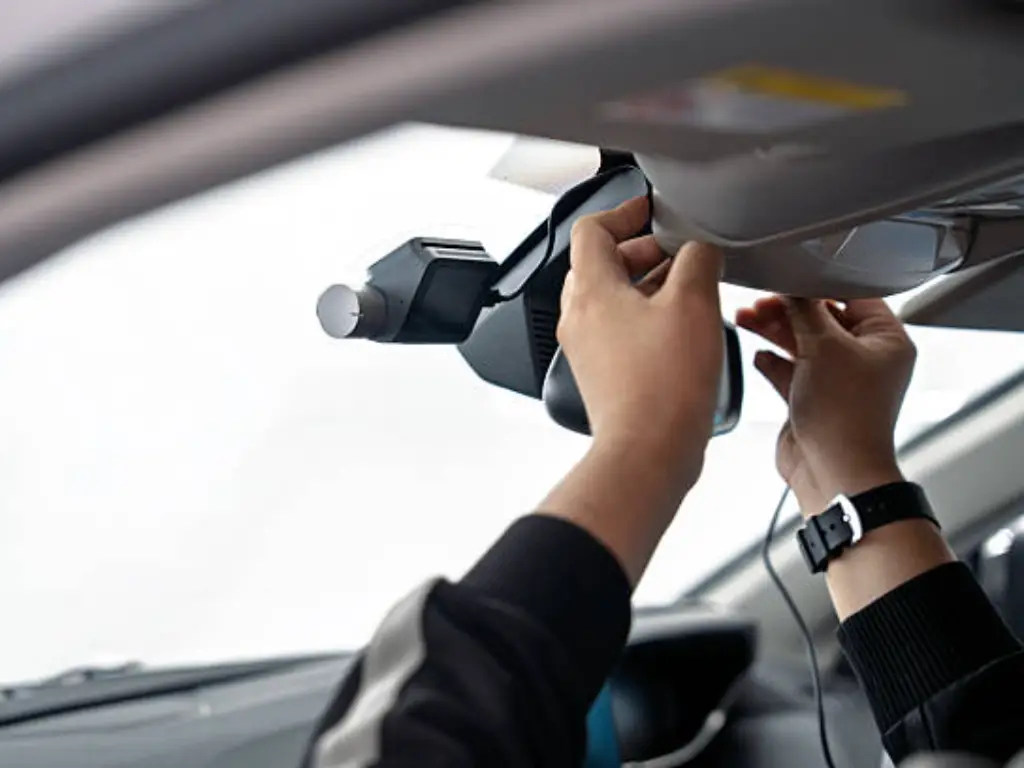
This is, perhaps, the most important part of this guide, which deals with a huge financial and safety hazard that most of the cheap, high-volume tint shops do not even mention to their customers. The contemporary windshield is not a simple curved sheet of glass anymore, it is a sophisticated, integrated technological center. It houses automatic rain sensors, electronic toll transponders (ETC), GPS antennas, and the highly calibrated forward-facing cameras that control your vehicle’s Lane Keep Assist, Adaptive Cruise Control, and Automatic Emergency Braking (ADAS).
- The Signal Blocking Threat (Metallic Tints)
If you opt for an older, heavily metalized window tint (often sold cheaply to clear out old inventory), the microscopic metal particles used to reflect heat will inadvertently act as a Faraday cage. This metal coating will cause serious interference or total blockage of radio frequency (RF) signals passing through the glass. Your ETC pass will keep on not reading at the toll booths, your GPS positioning will keep on losing signal and your cell phone signal in the cabin will drop to zero. That is why high-quality, metal-free nano-ceramic films are an absolute necessity of modern, technology-intensive windshields.
- The Water Damage Threat (Frying the Dashboard Electronics)
The tint on the windows is only done by a “wet installation” technique. The inside of the glass is sprayed with a lot of a slip solution (usually purified water with a special mounting fluid). This enables them to position the sticky film to the ideal position and then squeegee the water out.
- The Danger: If the installer is careless, untrained, or rushing, and does not use thick, specialized microfiber absorption ropes (soak ropes) tightly wedged into the base of the glass, gallons of water will cascade down the windshield and slip deep into the crevices of your dashboard. Immediately beneath that plastic dashboard sit critical components like the BCM (Body Control Module), audio amplifiers, and the sensitive computers that govern your ADAS. Ingress of water in this case can immediately short and fry these modules. This results in thousands of dollars of devastating electrical damage-a nightmare scenario that your vehicle factory warranty will not cover at all when they find out that it was due to aftermarket modification.
- The ADAS Calibration Hidden Cost
In certain extreme repair cases, especially with some sensitive luxury automobile brands (such as newer Subarus with the EyeSight system or some models of Mercedes-Benz), the physical act of heavily spraying the windshield area, bending the rearview mirror housing, or coating the area in front of the forward-facing camera housing with a thick layer of film can cause the ADAS cameras to lose their millimeter-precise alignment.
In case the computer of the vehicle notices a calibration error or a distorted view once the tint job is done, the dashboard will illuminate with warning signs. The car should then be brought to a qualified dealership or a special auto glass shop to have a professional recalibration (either by static calibration with targets in a bay, or by dynamic calibration on a highway).
- The Hidden Cost: Recalibration of ADAS systems is a very specialized task and may cost an extra $200-$600, which is an outrageous hidden cost that adds to the actual windshield tint cost by a significant margin. Always enquire of your selected installer about their stringent water mitigation measures, whether they use soak ropes and whether their plotter software cuts an accurate opening around the camera housing to avoid interference.
Legal Limits and Night Driving: Understanding VLT Percentages
The two greatest fears that consumers have when making a decision on whether or not to tint their windshield are the fear of being pulled over and fined by the police, and the actual fear of having limited and unsafe visibility when driving at night. These two valid concerns are fully addressed by knowing the concept of VLT.
What is VLT?
VLT is an acronym that means Visible Light Transmission. It is a universal percentage measure that determines precisely the amount of visible ambient light that is permitted to enter the film and the glass into the cabin.
- A VLT of 5% is very dark (so-called “limo tint”). It permits but 5% of the light to pass, so that it is impossible to see into the car, and extremely hard to see out of at night.
- VLT of 80% or 90% is practically transparent. It allows 80% to 90% of light in. The glass appears perfectly factory-clear to the naked eye, but (assuming it is a good quality ceramic film) it can still block all UV and IR rays.
Navigating the Complex Legal Landscape
The laws on automotive window tinting are wildly different, and strictly enforced in every single state, province and country. The most regulated part of the car glass is the windshield because of two reasons: officer safety (police must be able to see the hands of the driver during a traffic stop) and driver visibility (to avoid accidents).
- In a vast majority of jurisdictions across North America, you are only legally allowed to apply non-reflective tint down to the AS-1 line (the sun strip).
- However, an increasing number of regions are beginning to recognize the immense medical and comfort benefits of full-windshield UV protection. States like California and North Dakota, for example, allow a full windshield tint only if it is a completely clear, colorless film with a VLT of 70% or higher. Other states offer medical exemptions for drivers with lupus, melanoma, or extreme light sensitivity, allowing them to apply darker films if they carry a signed doctor’s note in the glovebox.
- The ignorance of the local law is never a defense in court. A dark 35% or 50% VLT film on your whole windshield in a strict state will surely lead to police traffic stops. Calibrated light meters are carried by the officers and slide over the glass to measure the VLT immediately. Failing this test attracts huge fines and the film is removed, uncompensated, at all costs (a total waste of your whole initial windshield tint money).
Night Driving and Visual Clarity
The anxiety of the inability to see pedestrians, potholes, or dark country roads at night is quite justified. Dark colors (50% VLT or less) on a windshield are objectively unsafe when driving at night, no matter how clear the vision of the driver is or how bright his/her LED headlights are.
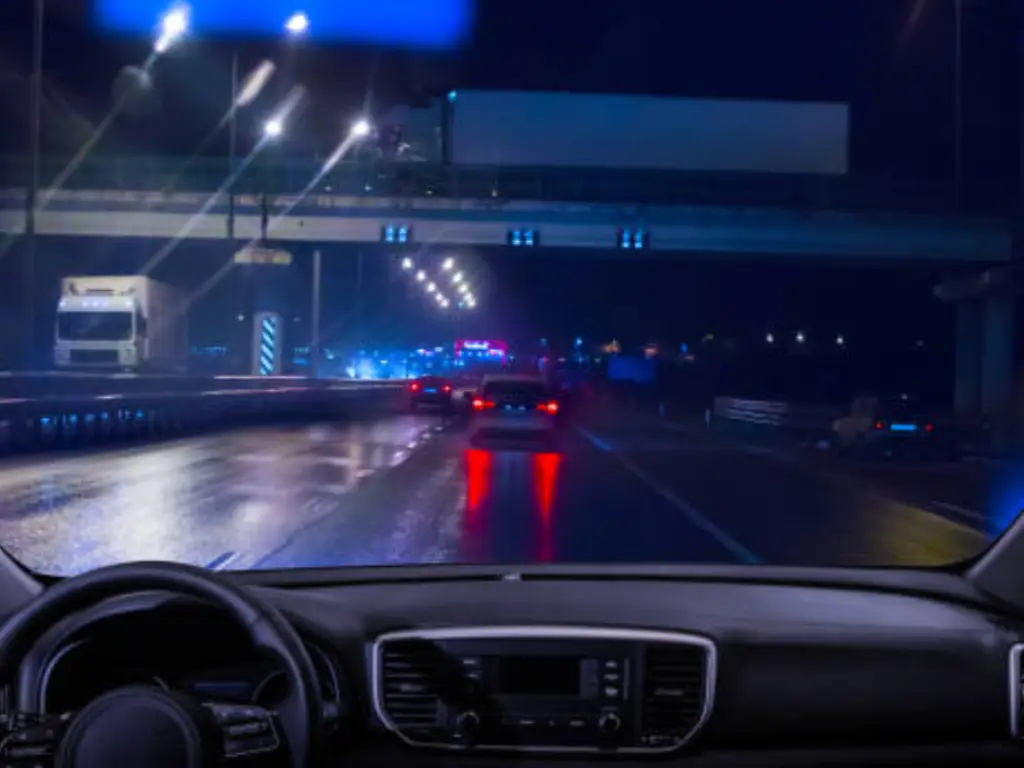
- The Industry Solution: For the full windshield, the absolute industry standard recommendation from safety experts and master tinters is a 70% or 80% VLT Nano-Ceramic Film.
- The Reason: The human eye can hardly notice that the glass is changed at 70% or 80% VLT. Your vision of the night is not at all impaired. However, due to the high level of atomic structure of ceramic technology, you still get the huge advantages of 99% UV rejection and overall heat protection. Moreover, ceramic films of high quality are a weak polarized filter. They manage to cut the glare of oncoming LED headlights and astigmatism-inducing streetlamps by as much as 50%. This in fact enhances the safety of night driving, contrast, and eye comfort as opposed to impairing it.
DIY Windshield Tint Kits vs. Professional Installation Costs
With unlimited YouTube tutorials and Tik Tok lifehacks, a great number of vehicle owners are trying to entirely avoid the professional windshield tint price by buying Pre-Cut DIY Window Tint Kits online as cheap as $30 to $50. Although this sounds like a fantastic method of saving hundreds of dollars, trying to DIY a windshield is virtually a universally bad idea that results in a loss of money, a destroyed interior, and a lot of frustration.
In order to really appreciate the reason why the professional windshield tint price is worth it, you should know the complicated physics and environmental demands of the installation process.
The Heat Shrinking Nightmare
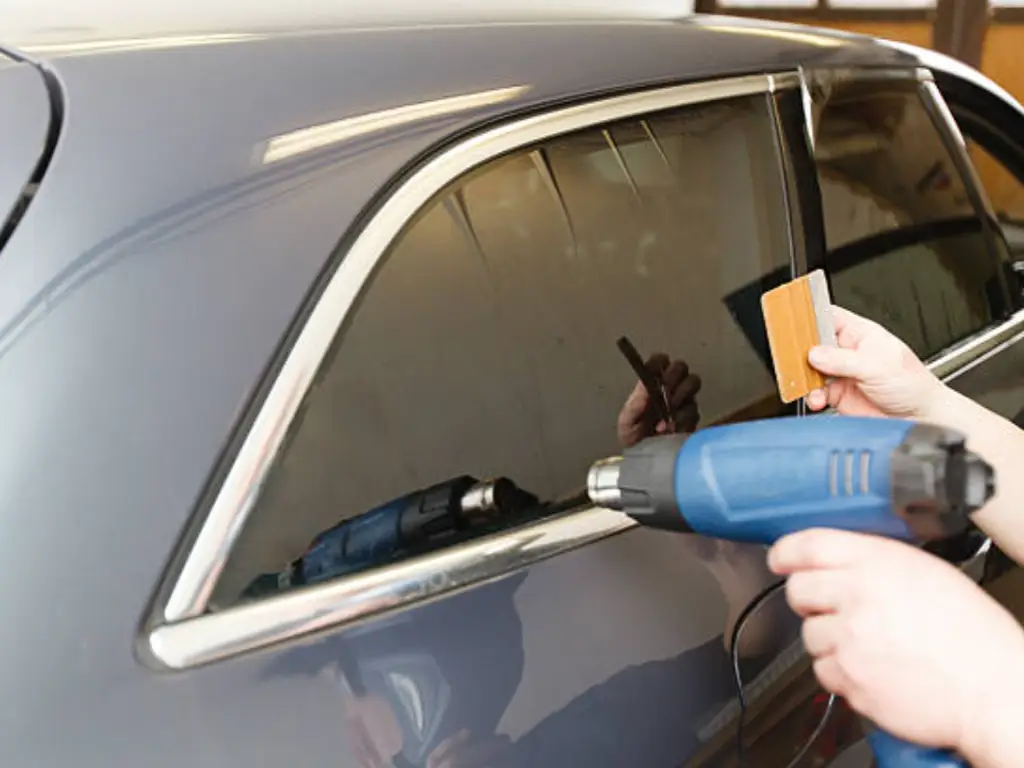
Side windows are not very bulky and roll up and down, which is a bit forgiving to a beginner. A windshield is, however, a huge, heavy sheet of glass, with a complicated, compound, spherical curve. You cannot just put a flat, two-dimensional sheet of stiff polyester film on a three-dimensional curved sphere. The surplus material will immediately pile up at the top and bottom edges forming huge, stiff, tunnel-like wrinkles called in the industry, “fingers.”
- The Professional Technique: Master tinters utilize high-temperature industrial heat guns and highly specialized techniques to “shrink” the film. They lay the film on the outside of the soapy windshield, heat the fingers, and smooth them out so the plastic perfectly molds to the exact curvature of the glass. They peel the liner and fit it on the inside only after it has been perfectly shaped on the outside. This heat-shrinking is a process that demands an extremely delicate and experienced hand. Too little heat, and the film won’t lay flat. Excess heat, or a fraction of a second too long in the same position, and the costly ceramic film will burn, crinkle, and instantly become a “ghost,” and be ruined forever.
Contamination and The Sterile Environment
The interior of a sloping windshield is extremely inaccessible. To maneuver a huge, sticky, 5-foot-wide strip of film around the steering wheel, the sensitive rearview mirror, and the deep crevices of the dashboard without the adhesive coming in contact with anything, it takes surgical skill and a maneuver known as the “reverse roll.”
When the sticky part of the film is accidentally rubbed against the dashboard, a cloth seat, or even the shirt sleeve of the installer, it will immediately collect microscopic dust, lint, and hairs. These contaminants cannot be washed out once they are stuck between the film and the glass. They form permanent, glaring, silver-ringed bubbles right in the driver line of sight and destroy the aesthetics and the safety of the glass. To reduce this risk of contamination, professional shops are run in closed, climate-controlled, dust-filtered bays and are thoroughly scrubbed with special clay bars and razor blades to eliminate this source of contamination.
The Verdict on DIY
Without months of intensive, practical practice with automotive films on complicated glass, attempting to do it yourself will leave you with a crumpled sheet of plastic in the garbage, your electronics may be ruined by water, and you will be driving with a serious visibility risk. The professional windshield tint cost of $250-$400+ is not just a markup for the material; you are paying for the technical mastery of heat shrinking, a sterile operating environment, the shop’s liability insurance if electronics get wet, and a long-term, legally binding warranty against bubbling and peeling.
Is Premium Ceramic Windshield Tint Worth the Money?
When all the windshield tint costs are considered in totality, including the high-end of the materials, the intensive, highly qualified installation work, and the possibility of the covert removal or calibration expenses, the final question to the consumer is: Is it really worth the money?
The final verdict is an unequivocal yes. This however strongly depends on the selection of the appropriate material to use. Spending $150 on a dyed full windshield film is a total waste of money because it has little heat rejection, it wears out easily and will probably require replacement after two years. On the other hand, a Premium Nano-Ceramic windshield tint that costs between $300 and $500+ is one of the most useful, protective and comfort-enhancing upgrades you can make to any car.
For new car owners, EV drivers, and those living in regions with intense sun exposure, the benefits are undeniable and immediate:
- Massive Heat Reduction: By ensuring the cabin is much cooler when parked in the sun, you will save a lot of immediate load on your vehicle’s air conditioner when you start the car. For traditional vehicles, this improves gas mileage. In the case of electric cars, the less the AC is used, the more efficient the battery and the higher the range and gas mileage of the car in the scorching summer months.
- Interior Preservation: A ceramic windshield film is an invisible permanent shield blocking 99% of UV rays and harmful UV radiation. It keeps your costly leather seats dry and free of cracks, your dashboard colorless and distorted, and your interior plastics off-gassing poisonous fumes. It actively preserves the long-term resale value of your car.
- Safety and Comfort: Beyond temperature control, the notable reduction in daily solar glare and blinding nighttime LED headlights drastically reduces eye fatigue, headaches, and enhances driving focus. Also, the tensile strength of the film keeps the shattered glass firmly in place in case of a serious frontal impact or a rock impact, which is an important life-saving physical protection to the driver and passengers.
When you are going to spend the time and money on windshield tinting, do it right the first time. Use a very transparent, legal, and technologically advanced ceramic film. And to the auto companies, professional installers, and dealerships interested in tapping into this highly profitable aftermarket niche, the choice of a reliable, high-performance supplier will mean that each and every installation will be of uncompromising quality, crystal-clear visibility, and customer satisfaction that will last. The price of the windshield tint is easily and confidently worth the money when the payback on the investment secures the driver and the vehicle over the next ten years.
 English
  Spanish
  Dutch
Dutch  Japanese
  Russian
  Arabic