
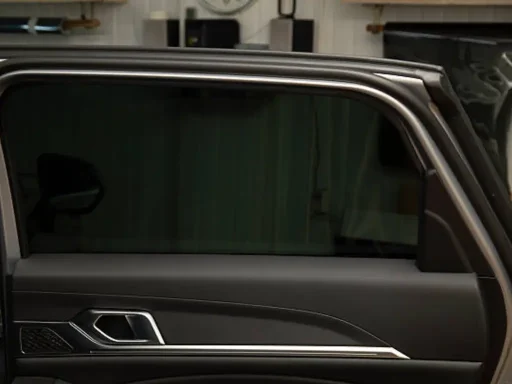
You just drove your new vehicle off the lot—perhaps a Tesla Model Y or a sleek luxury sedan. You know that standard factory glass won’t cut it against the blistering summer heat, so you start making calls. Suddenly, you are staring at a quote for $1,200 to $1,500 for auto window tinting. The immediate question hits you: Am I getting ripped off, or is this the actual xpel window tint price in 2026?
The window tinting industry is notoriously opaque when it comes to pricing. Quotes can fluctuate wildly depending on your zip code, the complexity of your vehicle’s glass, and the specific film tier you choose. A high-end quote in a tech-hub like Austin or a dense metro area like Los Angeles can often be 25% higher than a rural installation due to the overhead of clean-room facilities and the expertise of certified master installers. Rather than getting bogged down in sales pitches, this guide cuts straight to the bottom line. We break down the actual out-the-door costs of the xpel prime window tint series, giving you the transparency you need to make a confident, informed decision for your vehicle’s longevity.
The Baseline: Average XPEL Window Tint Prices in 2026
To establish a solid baseline, we analyzed data from authorized installers across the country. Let’s establish one rule immediately: if an installer quotes you a remarkably low xpel window tint price, it is likely not premium film like XPEL PRIME XR or XR Plus. High-end film costs more simply because the window tint technology is fundamentally different from cheap dyed films. While a generic film is essentially a layer of polyester and pigment, XPEL utilizes a multi-layer nano-ceramic structure that selectively filters out heat while remaining visually neutral.
| Vehicle Type (Full Car) | XPEL PRIME CS | XPEL PRIME XR | XPEL PRIME XR PLUS |
|---|---|---|---|
| 2-Door Coupe / Sedan | $350 – $450 | $500 – $700 | $800 – $1,000 |
| Mid-Size SUV / Truck | $400 – $550 | $600 – $850 | $900 – $1,200 |
| Large SUV (e.g., Escalade) | $500 – $650 | $750 – $1,000 | $1,100 – $1,400 |
Why Authorized Dealers Charge a Premium
The “price” you pay at an authorized dealer covers more than just the product roll. It covers the risk of damaging a modern vehicle’s complex interior. Certified shops use advanced water filtration to ensure zero dust particles are trapped in the film, which is critical for maintaining optical clarity over ten years. Furthermore, authorized dealers are the only ones who can issue a manufacturer-backed warranty that is honored at any XPEL location globally. This nationwide peace of mind is a significant portion of the upfront cost.
Prime XR vs. Prime XR Plus: Is the $300 Premium Worth It?
The most common dilemma buyers face is the upsell: “For another $300, we can upgrade you to the XR Plus.” To answer if it’s worth it, you must look past the marketing and understand the physics of infrared heat rejection. The sun emits energy in three bands: ultraviolet (UV), visible light, and infrared (IR). While standard tints block UV, they fail to stop IR, which carries over 50% of the sun’s heat into your cabin.
Many shops will try to sell you on “IRR” (Infrared Rejection). They will claim XPEL PRIME XR Plus blocks 98% of infrared heat. While true, IRR only measures a narrow band of the spectrum. Do not be fooled by high IRR alone. The only metric that truly matters for surviving the midday sun and keeping your car cooler is TSER (Total Solar Energy Rejection).
In addition to comfort, the Skin Cancer Foundation recommends high-quality ceramic tint as an effective uv protectant. The XR Plus series provides a constant barrier against 99.9% of UVA and UVB rays. Over a decade of ownership, this protection significantly lowers the risk of skin cancer for you and your passengers while preventing the dashboard and leather upholstery from cracking or discoloring.
Vehicle-Specific Surcharges and The EV Battery Drain
If you’ve ever requested an auto window tint quote for a Tesla, a Corvette, or an EV, you might have experienced sticker shock. You aren’t just paying for square footage; you are paying for risk mitigation and efficiency preservation.
Take the Tesla Model Y as a case study. Its massive, curved rear glass requires two master installers to shrink a single, continuous piece of film without ghosting or distortion. Moreover, the dashboard electronics on modern EVs are hyper-sensitive. Failing to use specialized soak ropes and protective water barriers during installation can easily fry Tesla’s MCU (Media Control Unit) / ICE (Infotainment Car Computer) located deep under the passenger dash—turning a simple job into a $3,000 electronic disaster. Expert shops charge more because they take the extra hour to protect these critical components.
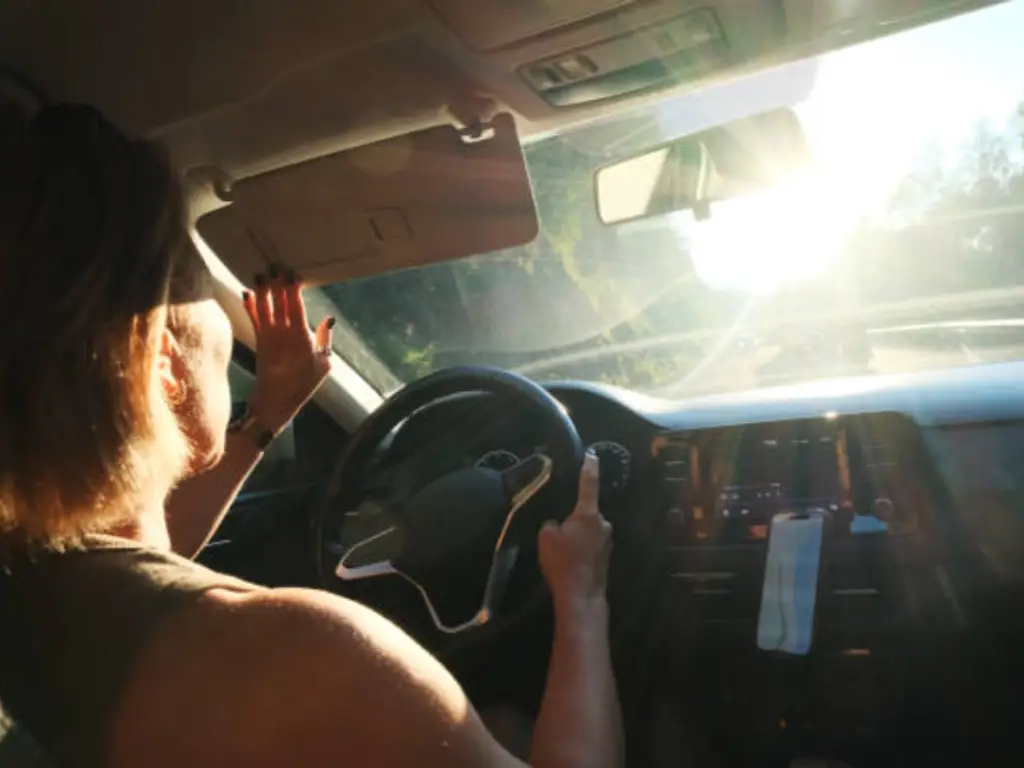
But the real ROI for car owners lies in battery range. A cabin baking in 40°C heat forces the AC compressor to run at its maximum wattage. For EVs, this parasitic energy drain can slash your real-world driving range by 10% to 15% in summer. By investing in a high-TSER film like XR Plus, you are effectively upgrading your vehicle’s thermal efficiency. The electricity savings and reduced battery wear over five years can often offset a significant portion of the initial xpel window tint price.
Front Windshields: Safety, Clarity, and Night Vision
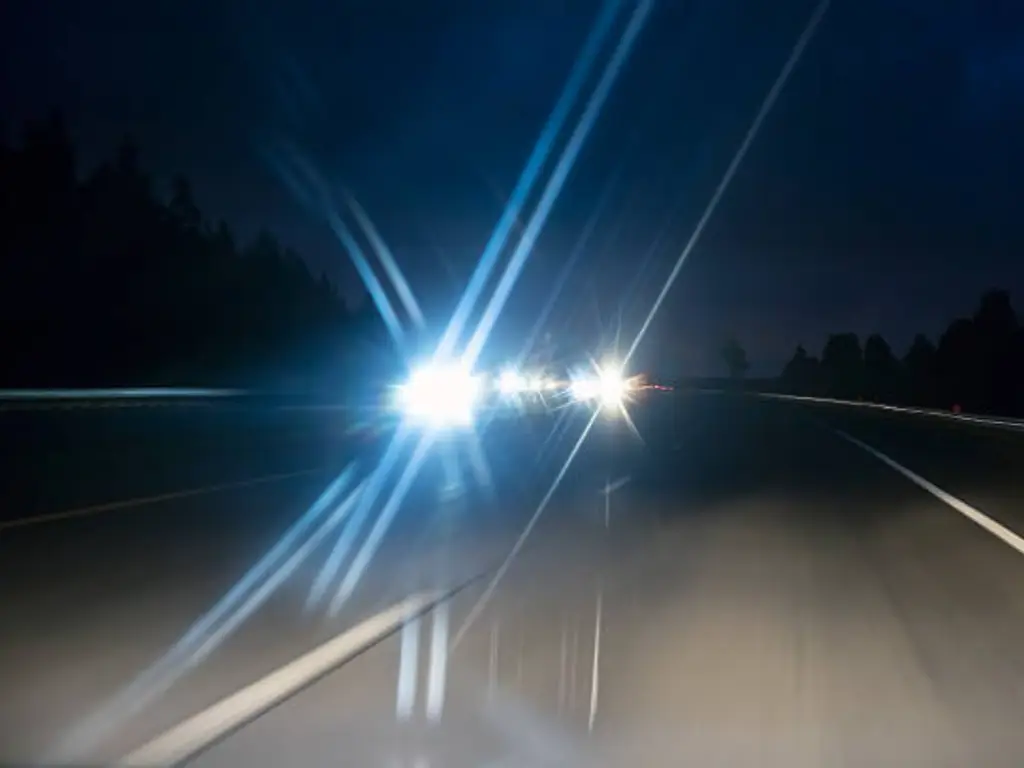
Adding ceramic film to a full windshield usually adds $200 to $400. Many drivers hesitate, fearing it will ruin their night vision, especially with lighter shades. However, this is where premium nano-ceramic film becomes literally life-saving. Unlike cheap dyed films that create a “low-angle haze” and blur oncoming headlights, XPEL films maintain absolute neutral clarity.
A high-quality 70% VLT (Visible Light Transmission) ceramic film is nearly invisible to the naked eye but still provides over 50% total heat rejection. It also reduces distracting headlight glare by up to 55%, making night driving much safer and less taxing on the eyes. This is a crucial upgrade for anyone who drives frequently at dawn, dusk, or night, as it provides a clearer view of the road while blocking 99% of harmful uv rays.
Panoramic Sunroofs: The $150-$300 Investment
For vehicles like the Tesla Model Y or Rivian R1S, adding premium ceramic film to a panoramic sunroof typically costs an additional $150 to $300. This fear of “thermal breakage” stems from a misunderstanding of physics. Ceramic films absorb solar energy. While the glass will feel hot to the touch because the heat is being trapped and radiated outward, modern EV panoramic roofs are constructed from highly resilient Laminated Tempered Glass. They are engineered to withstand extreme thermal stress far beyond what a ceramic tint generates. Installing a high-performance film on the sunroof is the only way to prevent the “greenhouse effect” from roasting the driver’s head in traffic.
The Hidden Value of a Flawless Install: DAP Pre-Cut vs. Hand-Cutting
If a shop quotes you a low xpel window tint price, your alarm bells should ring. Often, the differentiator is how the film is cut. Traditional “hand-cutting” involves placing raw film on your glass and tracing it with a razor blade. Even with a steady hand, one slip can mean a permanent scratch on your glass or a sliced rubber gasket, which may lead to wind noise or water leaks later on.
Elite shops eliminate this risk by using DAP (Design Access Program) software and plotters to pre-cut the film to the exact dimensions of your vehicle before it ever touches the car. This ensures a “micro-edge” finish with zero light gaps and absolute symmetry. You are paying a premium so a razor blade never comes near your luxury vehicle’s trim, providing true peace of mind that your investment is being handled by professionals.
Post-Installation: Maintaining Your Investment
Once you have invested in the highest-tier auto window tinting, you must protect it. The first 30 days are the “curing period.” During this time, the adhesive is still bonding with the glass, and you may see small moisture bubbles. This is normal and will vanish as the moisture evaporates. Do not roll down your windows for at least 3 to 5 days, as the friction can catch the edges of the film before it is fully set.
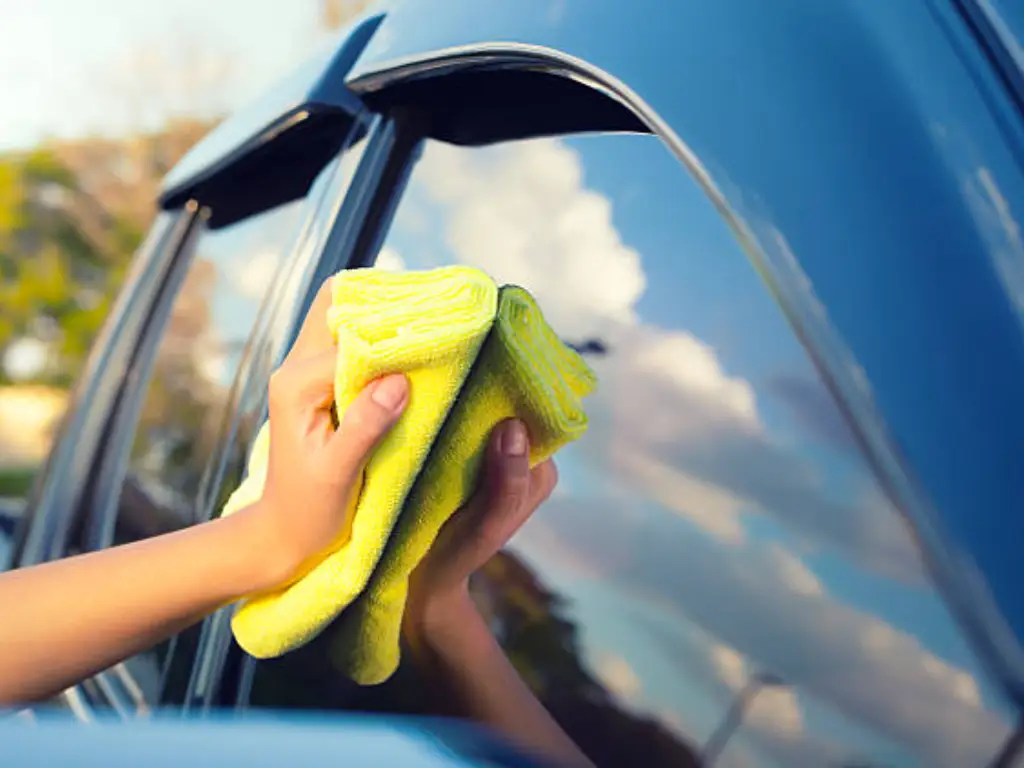
To keep your XPEL film looking new for its entire ten-year lifespan, never use ammonia-based glass cleaners. Ammonia will eventually break down the scratch-resistant coating and the ceramic layers. Always use a micro-fiber cloth and an ammonia-free cleaner (often labeled as “tint-safe”). This simple maintenance step ensures the optical clarity remains perfect and the film does not haze over time.
THE ULTIMATE BUYER’S DEFENSE CHECKLIST
Do not hand over your keys until you have verified these four standards at your chosen shop:
- The Tech Check: “Are you using the DAP computerized plotter system, or are you hand-cutting on my glass?”
- The Authenticity Check: “Can I see the box and the lot number on the core of the XPEL PRIME XR Plus roll?”
- The Protection Check: “Do you use soak ropes and dashboard covers to protect my MCU/ICE computer?”
- The Paperwork Check: “Will I receive the official XPEL digital warranty email before I pay?”
Looking for Professional Installation or Partnership?
Whether you are a car owner seeking the highest standards or a dealership looking to elevate your service offerings with premium films, we connect you with the industry’s best.
Learn More About Professional Solutions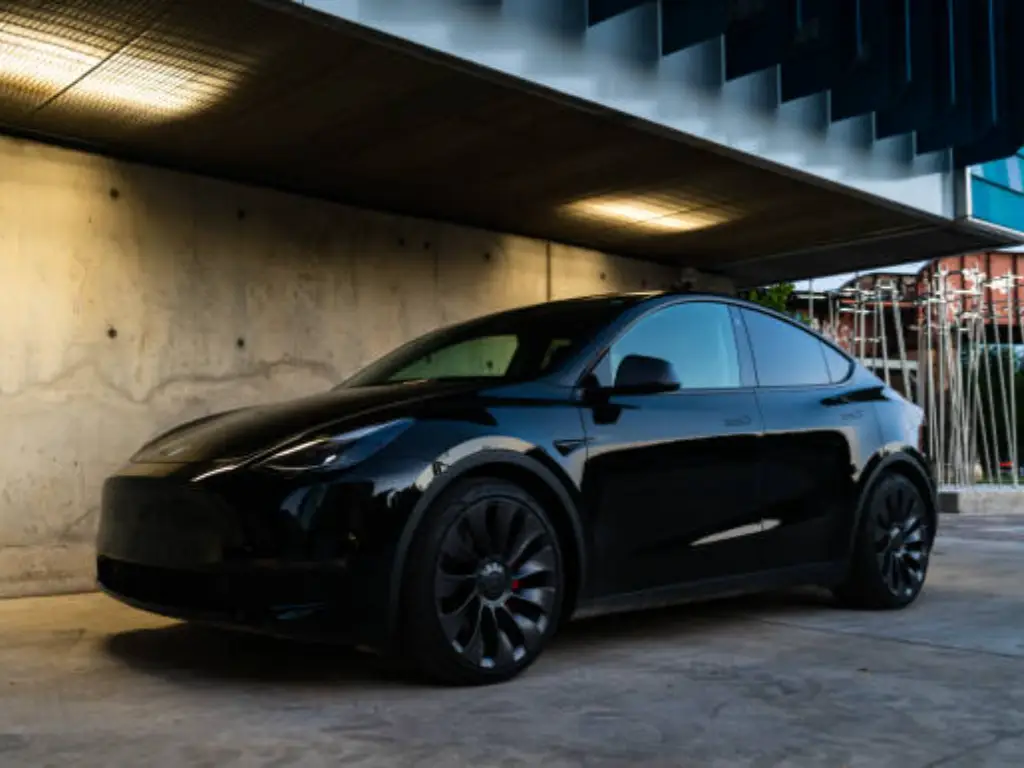
 English
  Spanish
  Dutch
Dutch  Japanese
  Russian
  Arabic