
When investing in an expensive Paint Protection Film (PPF) for your vehicle, the most pressing question is almost always: "How long does this actually last?" The industry's standard marketing pitch usually echoes "5 to 10 years." However, that is just a vague, generalized promise. The unfiltered truth is that lifespan is not a static number—it is a dynamic battle of wear and tear determined by material quality, installation precision, environmental exposure, and your daily maintenance routine.
The Baseline: Understanding the True Lifespan of Paint Protection Film
Let's skip the fluff and look at the core data. On average, high-quality PPF lasts between 5 to 10 years, but that assumes ideal conditions. To give you a more accurate expectation, we have created the "PPF True Lifespan Matrix" below. Think of PPF like a pair of premium running shoes—keep them in the box, and they’ll last a decade. Run marathons in the dirt every day, and they might wear out in three years.
| Parking Environment | Driving Frequency | Expected Functional Lifespan | Expected Aesthetic Lifespan (Yellowing/Edges) |
|---|---|---|---|
| Climate-Controlled Garage | Weekend / Leisure Driving | 9-10+ Years | 7-8 Years |
| Indoor Garage / Carport | Daily High-Frequency Commute | 7-8 Years | 5-6 Years |
| Outdoor / Direct Sun Exposure | Heavy Daily Driving (Highway/Harsh Weather) | 4-5 Years | 3-4 Years |
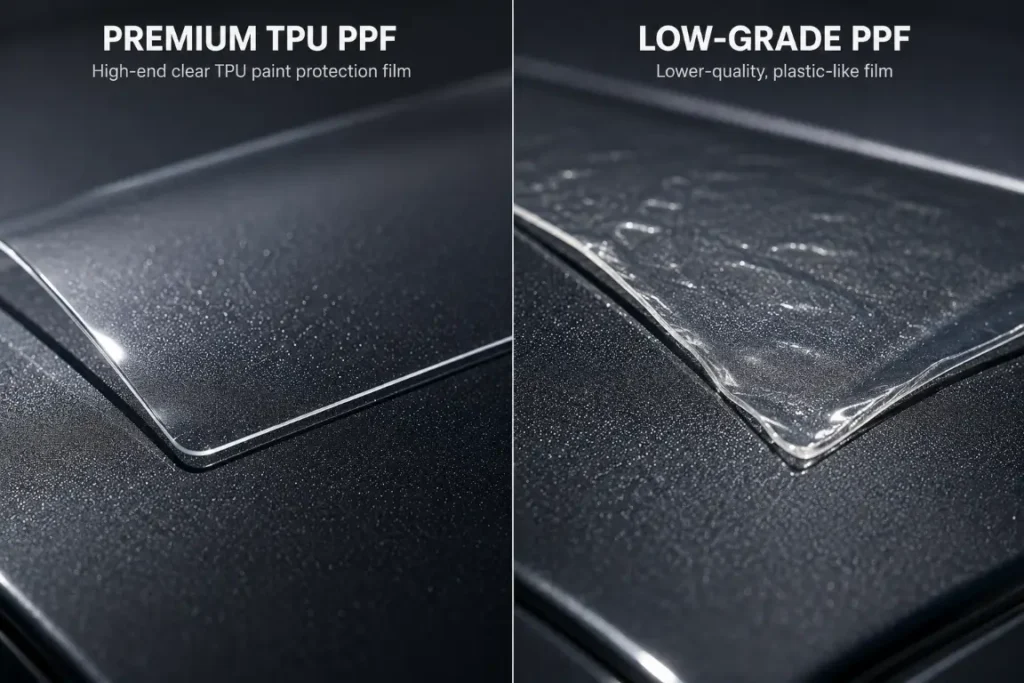
Above this baseline sits an absolute physical parameter: 8 mil thickness. This is the passing grade for high-quality PPF. Subpar films that fall below this standard simply lack the protective mass to survive; even if parked in a garage, their anti-oxidation capabilities will struggle to surpass the 3-year mark.
The Core Variables That Accelerate PPF Degradation
Why do some vehicles maintain a flawless PPF finish for 8 years, while others experience severe yellowing and peeling in less than 2 years? To truly understand longevity, we must break down the three core variables that accelerate PPF degradation.
Material Quality and TPU Technology
The most fatal difference stems from the film's DNA. Older generation PVC materials or inferior Aromatic TPU have highly unstable molecular structures—they are the primary culprits behind films turning severely yellow within just six months of installation. Today, true high-end films must utilize Aliphatic TPU. You can think of the TPU's anti-oxidation Topcoat as "sunscreen." The higher the grade, the longer it can resist aggressive UV degradation.
Expert Insight: Top-tier films rely on more than just base materials; they require the backing of extreme, documented testing. For instance, FlexiPPF utilizes premium raw materials and advanced coatings that have successfully withstood 5,000 hours of continuous intense UV exposure and extreme temperatures of 80°C (176°F) in laboratory settings. Remaining vibrant, non-yellowing, and blocking 98% of UV rays, these specs don't just exceed industry standards—they provide the hardcore physical foundation necessary for ultra-long lifespan in the harshest real-world environments.
Installation Precision and Edge Wrapping
Even the most technologically advanced film will fail prematurely if poorly installed. Human error often causes far more damage than the material itself. The defining technique here is Edge Wrapping. If an installer fails to leave enough margin to perfectly wrap and seal the film inside the panel gaps, it creates a vulnerability. By the second year, high-pressure car washes will force water right into those exposed seams, causing the underlying adhesive to fail and the edges to peel permanently.
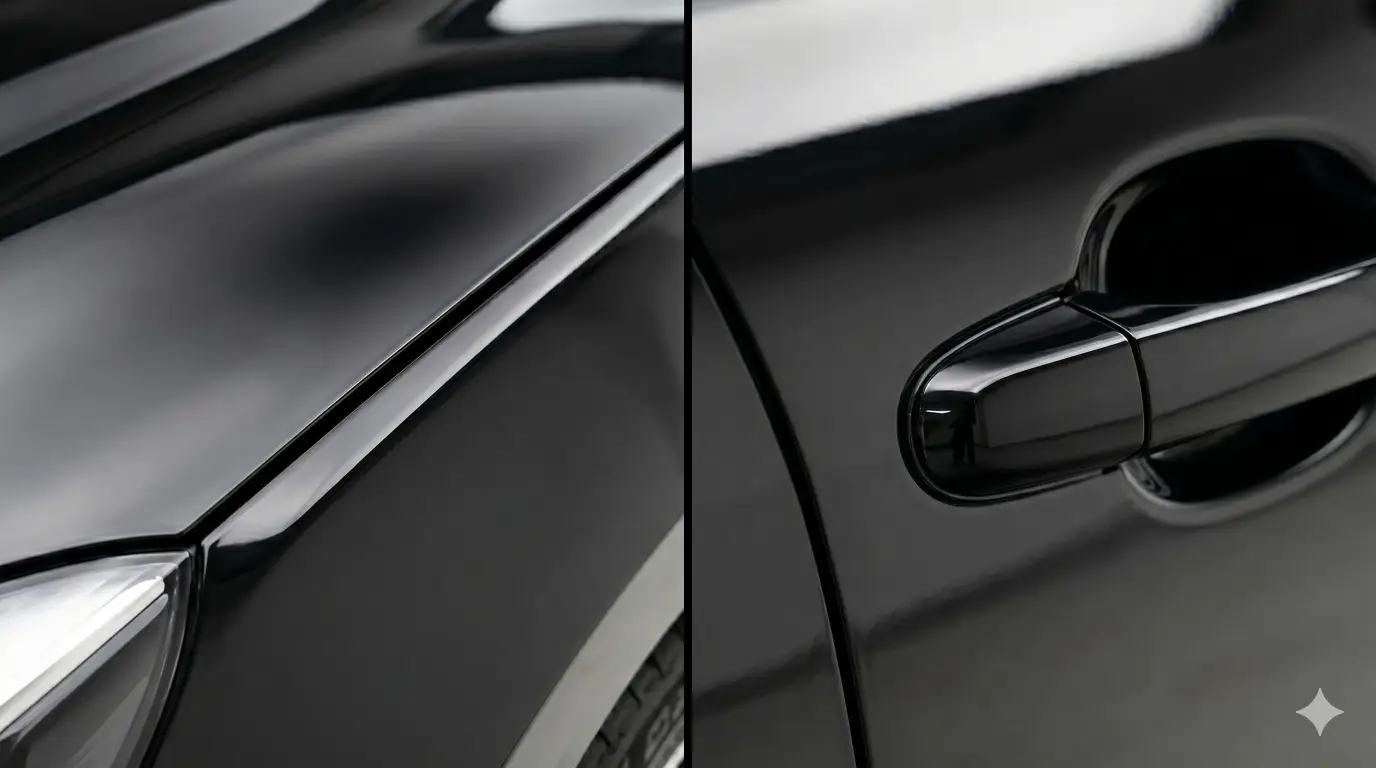
Expert Insight: To completely eliminate the fatal risks of edge lifting caused by manual bulk-cutting errors, high-end installation shops today prefer precise pre-cut solutions. FlexiPPF’s Precise Pre-Cutting service flawlessly fits every specific car model. This not only drastically reduces installation time but physically ensures that every edge wrap is seamless, directly blocking water and chemical intrusion from the very beginning.
Environmental Exposure and Chemical Contaminants
The environment isn't just about UV rays; chemical corrosion is often more insidious and destructive. Uric acid in bird droppings, acid rain in industrial zones, and harsh winter road salts are notorious "PPF killers." Consider tree sap, which acts like a slow-burning acid. If not removed promptly, high temperatures will literally "bake" it into the self-healing clear coat, slashing a 10-year theoretical lifespan down to a mere 3 years.
Aesthetic Lifespan vs. Functional Lifespan
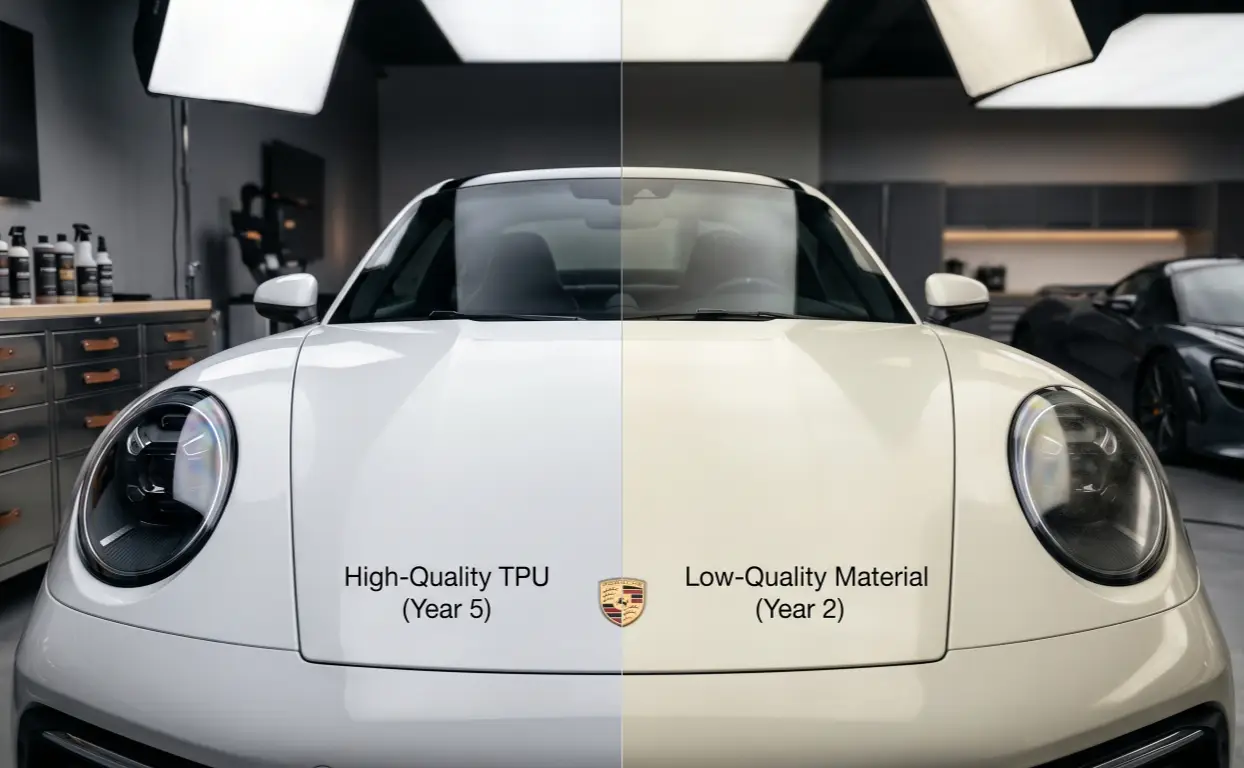
This is the critical concept that the industry often avoids discussing: the divide between Functional Lifespan and Aesthetic Lifespan.
A premium PPF might truly last 7-10 years in its functional ability to absorb rock chips and prevent scratches. The film itself won't break. However, under high UV exposure and harsh conditions, the decline in gloss level, the wearing down of the self-healing coat, dirt buildup along the edges, and inevitable slight yellowing (aesthetic collapse) usually become apparent around years 4-6. For a white Porsche owner, when the yellowing significantly ruins the vehicle's aesthetics, the film's "Aesthetic Lifespan" has officially ended—even if the physical protection remains intact. Understanding this distinction helps set realistic expectations.
The Truth About Manufacturer Warranties
Many consumers treat a "10-Year Warranty" as an absolute guarantee of longevity. But what does that warranty actually cover? It’s time to read the fine print.
The vast majority of brand warranties only cover Manufacturer Defects—such as bubbling, cracking, or structural delamination originating from the film itself. Warranties absolutely do not cover Wear and Tear. If a massive rock on the highway pierces the film, if bird droppings leave a permanent chemical etch, or if an aggressive automatic car wash damages the edges, the manufacturer is entirely exempt from liability. Therefore, your warranty period does not equal your guaranteed aesthetic usage period.
Proven Maintenance Protocols to Maximize Film Longevity
Now that we understand the risks, let’s talk about maximizing the investment. Proper maintenance can easily double the aesthetic lifespan of your PPF. Here are highly actionable protocols.
Safe Washing Techniques and pH-Neutral Chemicals
Absolutely avoid automatic car washes with stiff brushes; they will instantly scratch and destroy the fragile self-healing topcoat. You should strictly use pH-neutral car wash soaps and adopt the Two-Bucket Method: one bucket for soapy water and one for clean water equipped with a Grit Guard. This ensures the dirt you wash off doesn't get rubbed back into the film. Furthermore, when using a pressure washer, keep the nozzle at least 24 inches (60 cm) away from any panel edges or seams.
Ceramic Coatings Over PPF
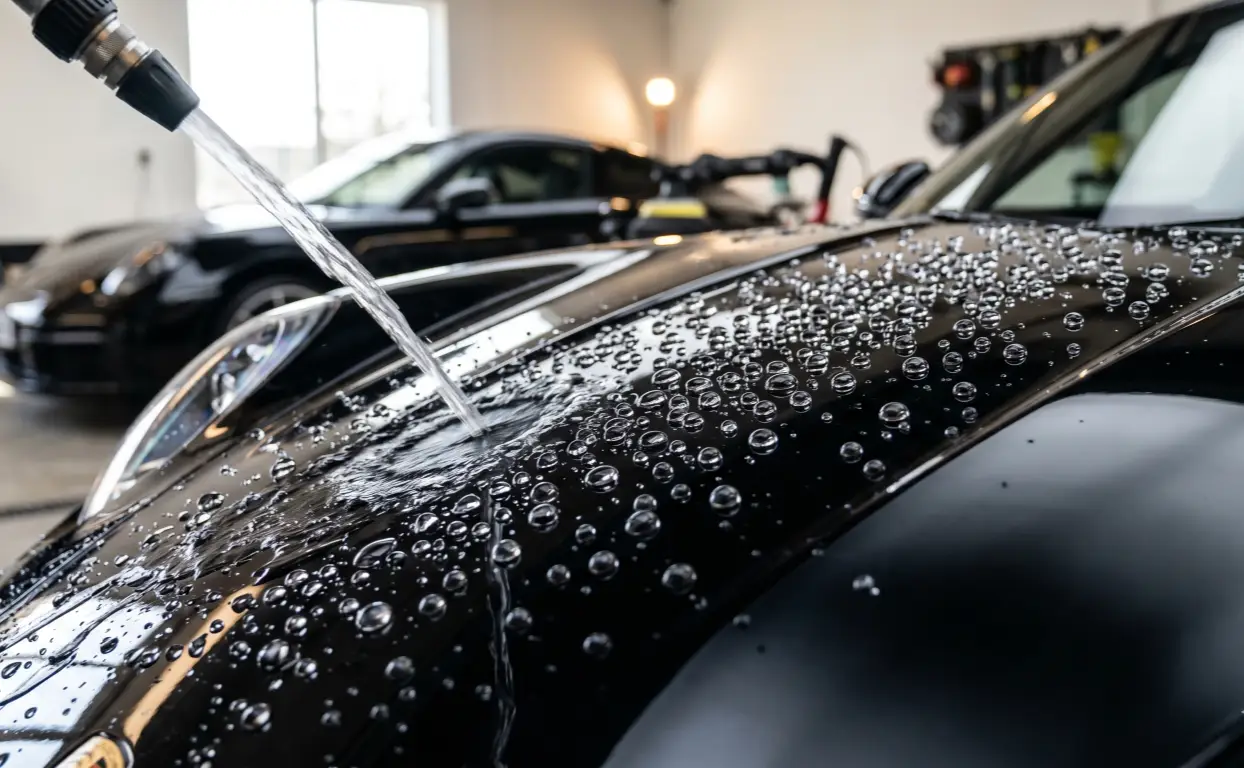
This is an advanced longevity strategy: applying a Ceramic Coating directly over the PPF. Ceramic coatings offer extreme hydrophobic properties—it’s like adding a non-stick Teflon layer over your body armor. Dust, grime, and water simply bead off, significantly reducing the friction and stress of regular washing. A critical warning: do not use traditional car waxes containing heavy solvents or naphtha. They not only accelerate yellowing but also leave unsightly white residue permanently caked along the film edges.
Recognizing the Signs: When Is It Time to Replace Your PPF?
Do not indefinitely delay removal just to force the film to hit the 10-year mark. When the following three fatal signs appear, your PPF's lifecycle is ending:
- Severe Yellowing: Irreversible UV degradation has completely penetrated the topcoat.
- Blistering & Peeling: The underlying adhesive has lost its bond, allowing moisture, air, and dirt to continuously penetrate beneath the film.
- Loss of Self-Healing Capabilities: When fine spiderweb scratches no longer disappear after applying a hot towel or leaving the car in the hot sun, the functional Topcoat is completely depleted.
The Removal Process: Protecting the Original Clear Coat
This is often the most hidden fear in the buyer's journey: "Will removing this old film ruin my expensive factory paint?"
Never attempt to aggressively rip off old PPF in your driveway. If a film drastically exceeds its recommended lifespan (for example, leaving hardened, brittle film on for over 10 years), the adhesive will physically cross-link with the vehicle's clear coat. Forcible removal will lead to catastrophic Adhesive Transfer (leaving pounds of glue on the car) or worse, Clear Coat Lift (tearing the factory paint off entirely). The only safe exit strategy is proactive: before the lifespan fully ends, take it to a professional shop. They will use industrial high-temperature steamers and specialized adhesive removers to safely and smoothly pull the old film off from the roots, perfectly protecting your original clear coat.
 English
  Spanish
  Dutch
Dutch  Japanese
  Russian
  Arabic